ASUS ROG G634JY-NM015 RAM upgrade specifications
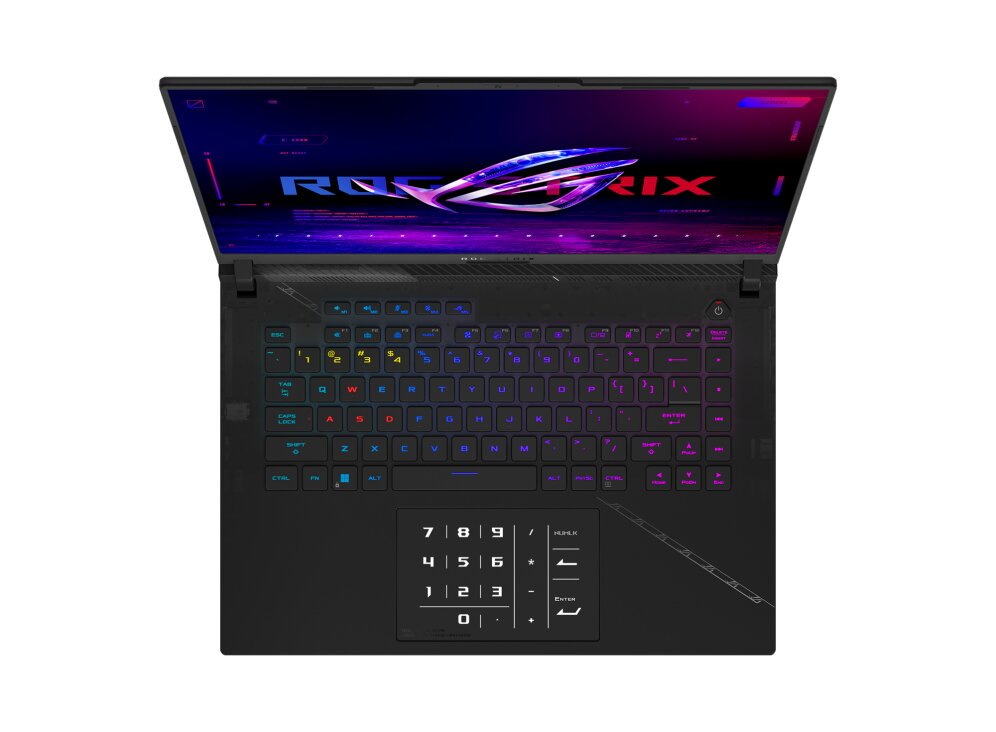




The ASUS ROG Strix SCAR 16 G634JY-NM015 features DDR5-SDRAM memory upgrade capability with two SO-DIMM slots supporting maximum RAM capacity of 64 GB. The laptop is compatible with DDR5 memory modules operating at 4800 MHz frequencies. Upgrade specifications indicate SO-DIMM form factor memory modules are required for compatible RAM expansion on the G634JY-NM015 model.
Memory Upgrade Specifications
| Specification | Value |
|---|---|
| Memory slots | 2x SO-DIMM |
| Form factor | SO-DIMM |
| Memory type | DDR5-SDRAM |
| Frequency | 4800 MHz |
| Maximum RAM | 64 GB |
| Voltage | 1.1V |
| Number of pins | 262-pin |
| Interface | PC5 |
| PC Speed Rating | PC5-4800 (PC5-38400) |
| Bandwidth | 38.4 GB/s |
| Laptop Release date | 09 March 2023 |
Additional Notes
- The absence of soldered memory on the ASUS G634JY-NM015 motherboard ensures that the entire system memory remains serviceable if a single module fails.
- Utilizing both SO-DIMM slots is necessary to enable dual-channel memory architecture, which significantly increases memory bandwidth for CPU-intensive tasks.
- The 64 GB maximum capacity suggests a 32 GB limit per slot, precluding the use of higher-density 48-GB or 64-GB individual modules that have recently entered the market.
- Installing memory modules with frequencies higher than 4800 MHz will result in automatic downclocking to match the internal bus speed limitations of the chipset.
- The physical SO-DIMM form factor requires modules with 262 pins, making them incompatible with older DDR4 hardware or desktop-grade DIMM slots.
- Upgrading to the maximum supported capacity requires a matched pair of modules to maintain system stability and prevent timing mismatches during high-load operations.
- Accessing the memory slots necessitates the removal of the bottom chassis cover, which may involve navigating internal ribbon cables connected to integrated lighting components.
- The transition to DDR5 technology introduces on-die Error Correction Code (ECC) at the component level, providing higher data integrity compared to previous generations of mobile memory.