ASUS ROG G634JZ-NM015W RAM upgrade specifications


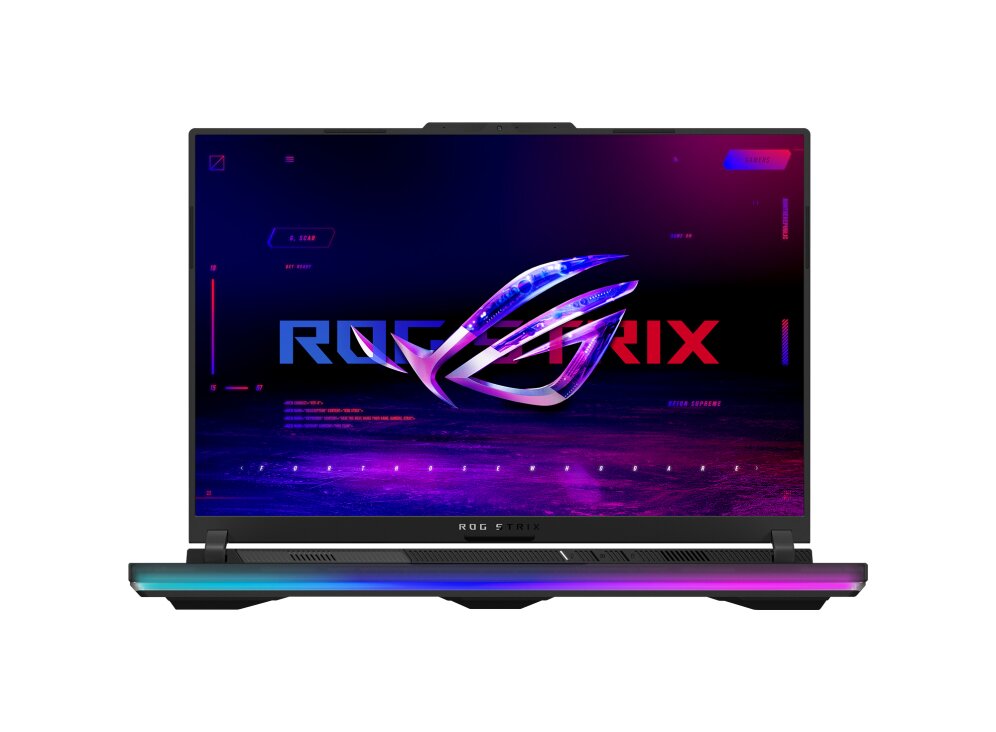


ASUS ROG Strix SCAR 16 model G634JZ-NM015W supports DDR5-SDRAM memory upgrades via 2x SO-DIMM slots. Maximum compatible RAM capacity reaches 64 GB total. Memory specifications include DDR5-4800 MHz frequency support. Upgrade configurations accommodate SO-DIMM form factor modules. Specifications enable memory expansion for enhanced multitasking and performance capabilities on gaming and professional applications.
Memory Upgrade Specifications
| Specification | Value |
|---|---|
| Memory slots | 2x SO-DIMM |
| Form factor | SO-DIMM |
| Memory type | DDR5-SDRAM |
| Frequency | 4800 MHz |
| Maximum RAM | 64 GB |
| Voltage | 1.1V |
| Number of pins | 262-pin |
| Interface | PC5 |
| PC Speed Rating | PC5-4800 (PC5-38400) |
| Bandwidth | 38.4 GB/s |
Additional Notes
- The ASUS ROG G634JZ-NM015W memory controller architecture limits total system capacity to 64 GB across both slots, requiring a 32 GB module configuration per slot to reach maximum density.
- DDR5-SDRAM modules operating at 4800 MHz represent JEDEC baseline specifications rather than XMP/EXPO overclocked variants, ensuring broader compatibility with Intel or AMD mobile platforms.
- SO-DIMM form factor modules measure 67.6 mm in length compared to desktop DIMM modules at 133.35 mm, making desktop memory physically incompatible despite identical DDR5 electrical specifications.
- Dual-channel memory architecture across 2 SO-DIMM slots requires matched module pairs to maintain symmetrical bandwidth allocation, with single-module configurations halving theoretical memory throughput.
- DDR5 voltage regulation occurs on-module through integrated PMIC chips rather than motherboard-based regulation used in DDR4, affecting thermal characteristics during sustained memory-intensive operations.
- Frequency locked at 4800 MHz prevents manual overclocking attempts through BIOS adjustments, as mobile platforms typically disable multiplier controls available on desktop chipsets.
- Installation requires bottom panel removal to access SO-DIMM retention clips, with manufacturer warranty terms typically permitting user-accessible memory upgrades without seal breakage concerns.
- Mixed-capacity configurations such as 16 GB plus 32 GB modules will function but may disable flexible dual-channel modes available when identical capacities occupy both slots.
- DDR5 error correction code support depends on module specifications, with standard consumer SO-DIMMs lacking on-die ECC functionality reserved for workstation-grade components.
- Higher frequency DDR5 modules rated at 5200 MHz or 5600 MHz will downclock to the 4800 MHz controller limit, offering no performance advantage over JEDEC-standard modules.