ASUS ROG G634JZ-NM032W-GAMING RAM upgrade specifications


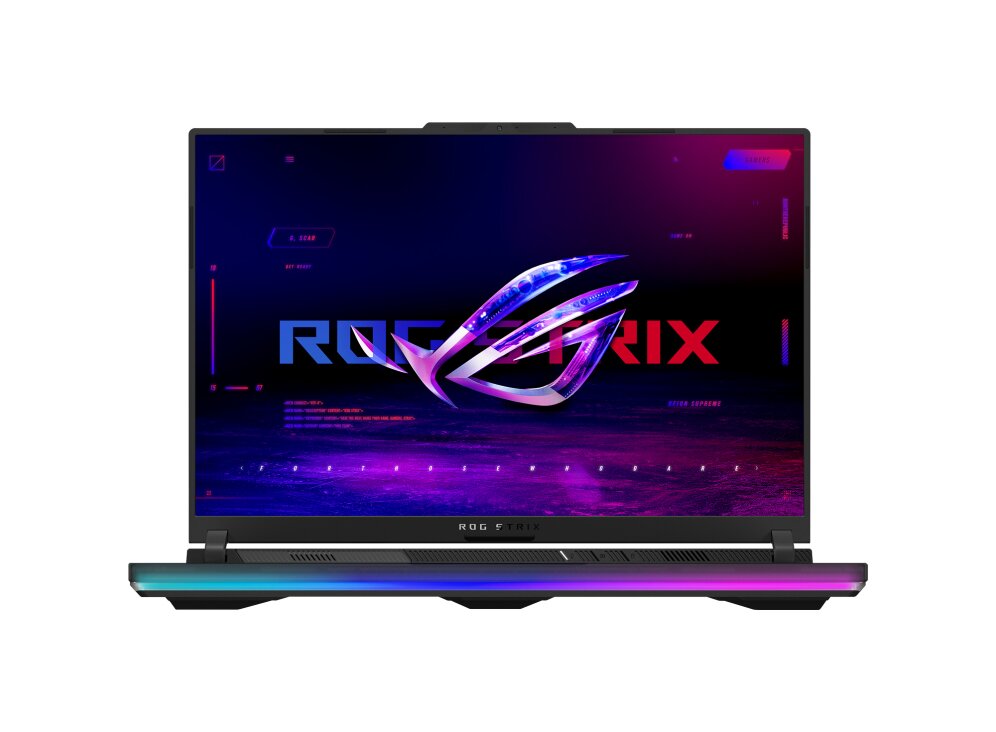
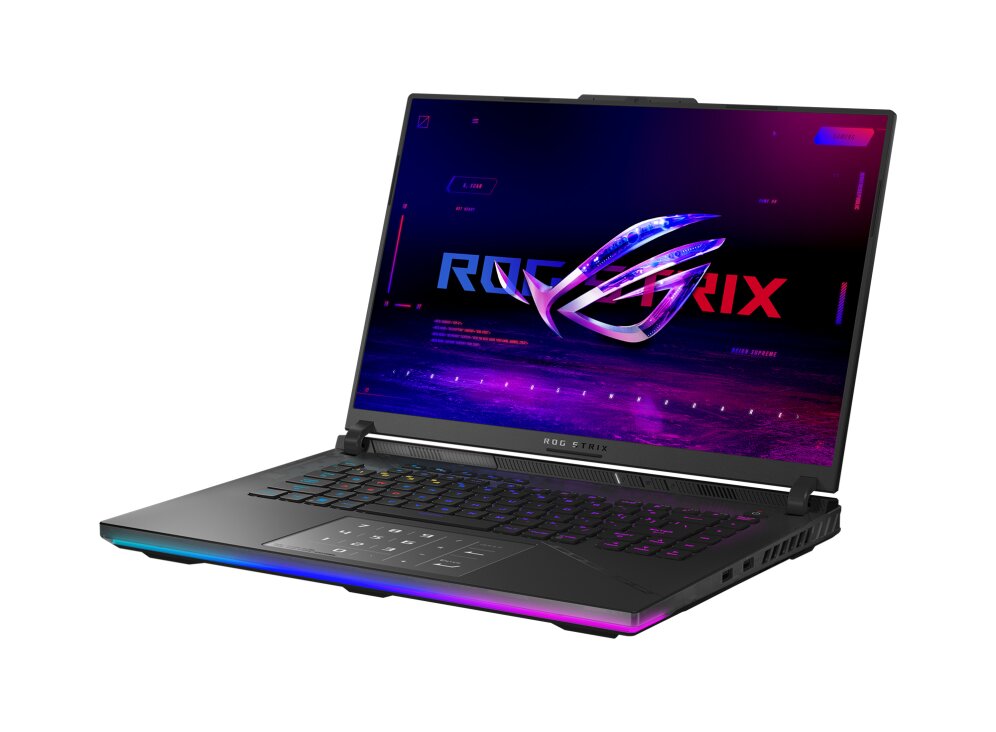
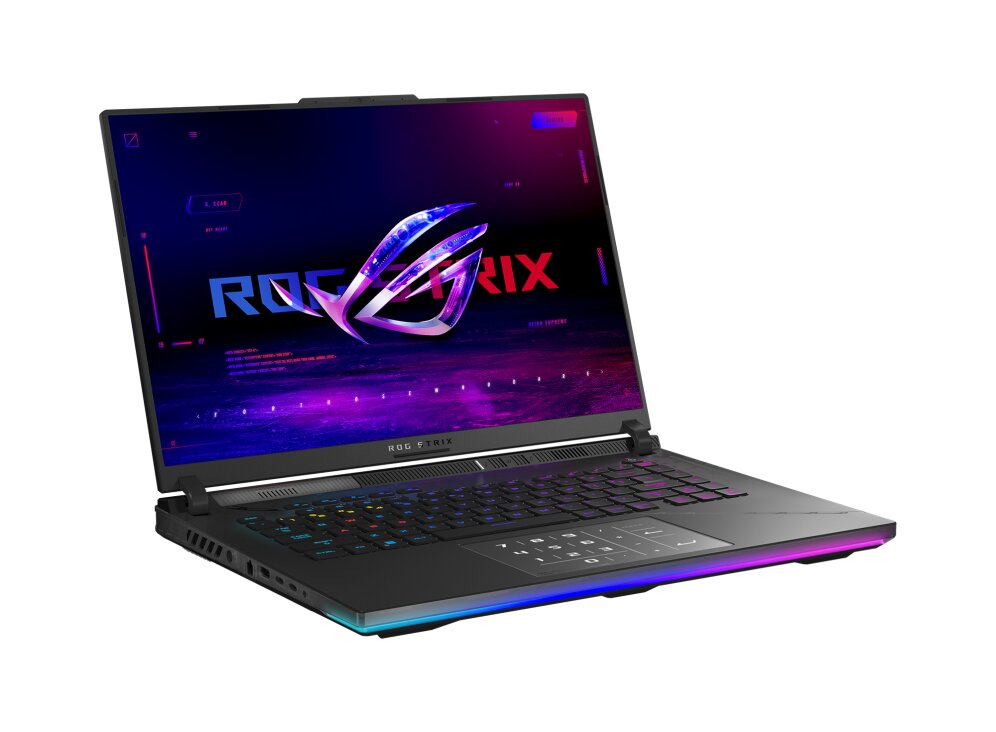
ASUS ROG Strix SCAR 16 model G634JZ-NM032W-GAMING features DDR5-SDRAM memory upgrade capacity. The laptop contains 2x SO-DIMM slots with maximum RAM specifications of 64 GB total. Compatible memory operates at 4800 MHz frequency. SO-DIMM form factor modules are required for RAM upgrades on this gaming laptop. Specifications support DDR5 technology for enhanced performance and multitasking capabilities.
Memory Upgrade Specifications
| Specification | Value |
|---|---|
| Memory slots | 2x SO-DIMM |
| Form factor | SO-DIMM |
| Memory type | DDR5-SDRAM |
| Frequency | 4800 MHz |
| Maximum RAM | 64 GB |
| Voltage | 1.1V |
| Number of pins | 262-pin |
| Interface | PC5 |
| PC Speed Rating | PC5-4800 (PC5-38400) |
| Bandwidth | 38.4 GB/s |
Additional Notes
- The ASUS ROG G634JZ-NM032W-GAMING accepts only DDR5 modules, preventing the use of any DDR4 inventory from previous systems due to incompatible pin configurations and voltage requirements.
- The 64 GB ceiling reflects chipset memory controller limitations rather than slot quantity, establishing a per-slot maximum of 32 GB for dual-channel configurations.
- SO-DIMM form factor restricts compatibility to notebook-specific modules, as standard desktop DIMM modules measure 133.35 mm versus the required 69.6 mm length.
- The 4800 MHz specification represents JEDEC base frequency for DDR5, meaning higher-rated modules will downclock automatically to this speed without BIOS adjustments.
- Dual-slot architecture enables symmetric channel population for bandwidth optimization, though asymmetric configurations remain functional at reduced throughput.
- DDR5's on-die ECC operates independently of user intervention, providing internal error correction without the validation requirements of server-grade registered modules.
- Warranty preservation requires adherence to manufacturer-specified capacity and speed limits, as exceeding the 64 GB threshold may void coverage despite physical installation success.
- The memory controller's native support for 4800 MHz eliminates XMP profile dependencies, unlike overclocked configurations that require firmware intervention for stability.
- Module accessibility varies by chassis design, potentially requiring keyboard deck removal rather than simple access panel entry for installation.
- Voltage regulation occurs at the module level for DDR5, differing from DDR4's motherboard-based delivery and reducing compatibility issues with non-standard voltage requirements.