ASUS ROG G634JZ-NM045W RAM upgrade specifications
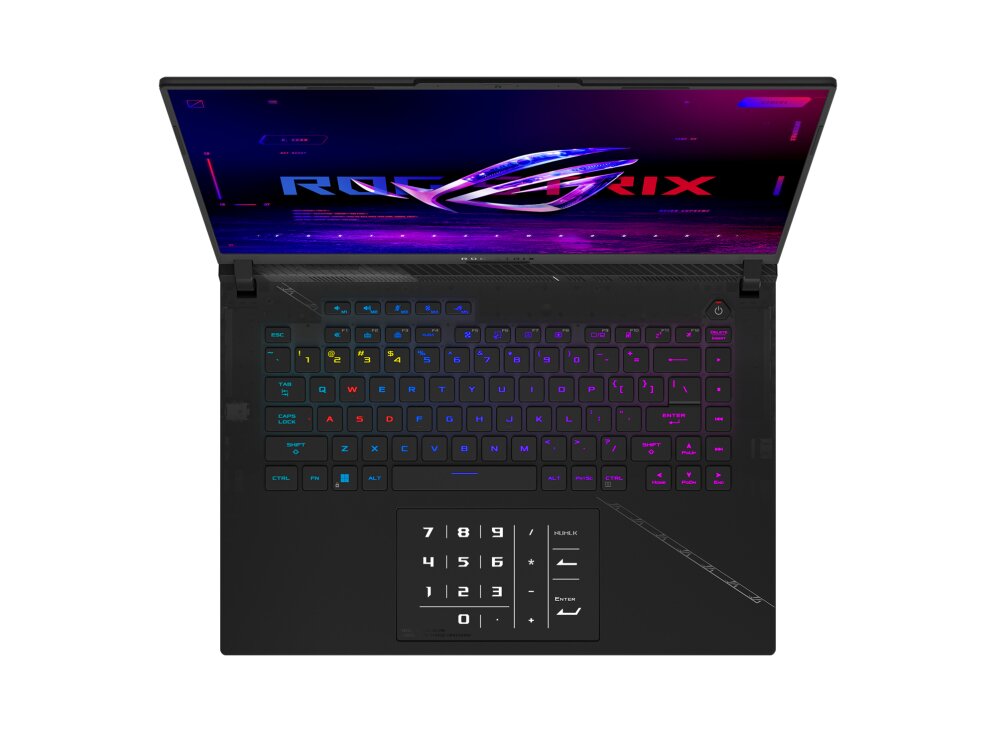




ASUS ROG Strix SCAR 16 model G634JZ-NM045W memory upgrade specifications include two SO-DIMM slots supporting DDR5-SDRAM modules. Maximum RAM capacity reaches 64 GB when fully populated with compatible modules. Supported memory frequency operates at 4800 MHz. The laptop accommodates SO-DIMM form factor memory upgrades, allowing users to expand system memory from factory configurations to specifications up to 64 GB total capacity.
Memory Upgrade Specifications
| Specification | Value |
|---|---|
| Memory slots | 2x SO-DIMM |
| Form factor | SO-DIMM |
| Memory type | DDR5-SDRAM |
| Frequency | 4800 MHz |
| Maximum RAM | 64 GB |
| Voltage | 1.1V |
| Number of pins | 262-pin |
| Interface | PC5 |
| PC Speed Rating | PC5-4800 (PC5-38400) |
| Bandwidth | 38.4 GB/s |
| Laptop Release date | 03 April 2023 |
Additional Notes
- The ASUS ROG G634JZ-NM045W implements DDR5 memory architecture, which operates at higher voltages than DDR4 and requires motherboard compatibility verification before any module replacement.
- The 4800 MHz frequency represents the JEDEC base specification for DDR5, meaning the system may support faster XMP or EXPO profiles if the Intel or AMD platform includes overclocking capabilities.
- SO-DIMM form factor restricts thermal headroom compared to desktop DIMM modules, potentially limiting sustained performance under extended high-memory workloads due to compact physical dimensions.
- The 64 GB maximum capacity indicates chipset-level addressing limits, requiring 2 modules of 32 GB each to reach this ceiling rather than single-module configurations.
- DDR5 SO-DIMM modules include on-die ECC correction, which reduces uncorrectable errors but introduces minimal latency overhead not present in DDR4 architectures.
- Dual-channel configuration across both slots provides 76.8 GB/s theoretical bandwidth at 4800 MHz, though real-world throughput depends on CPU memory controller efficiency and workload patterns.
- Mixing modules with different speeds will force all memory to operate at the lowest common frequency, negating performance benefits of faster-rated modules.
- User-accessible SO-DIMM slots typically preserve manufacturer warranty coverage, unlike soldered memory configurations that prohibit field upgrades entirely.
- DDR5's higher burst length of 16 versus DDR4's 8 increases efficiency for sequential access patterns but may introduce latency penalties in random access scenarios.
- Power management integrated into each DDR5 module enables per-DIMM voltage regulation, improving efficiency but adding complexity to compatibility testing between brands.