ASUS ROG G634JZ-NM072W RAM upgrade specifications
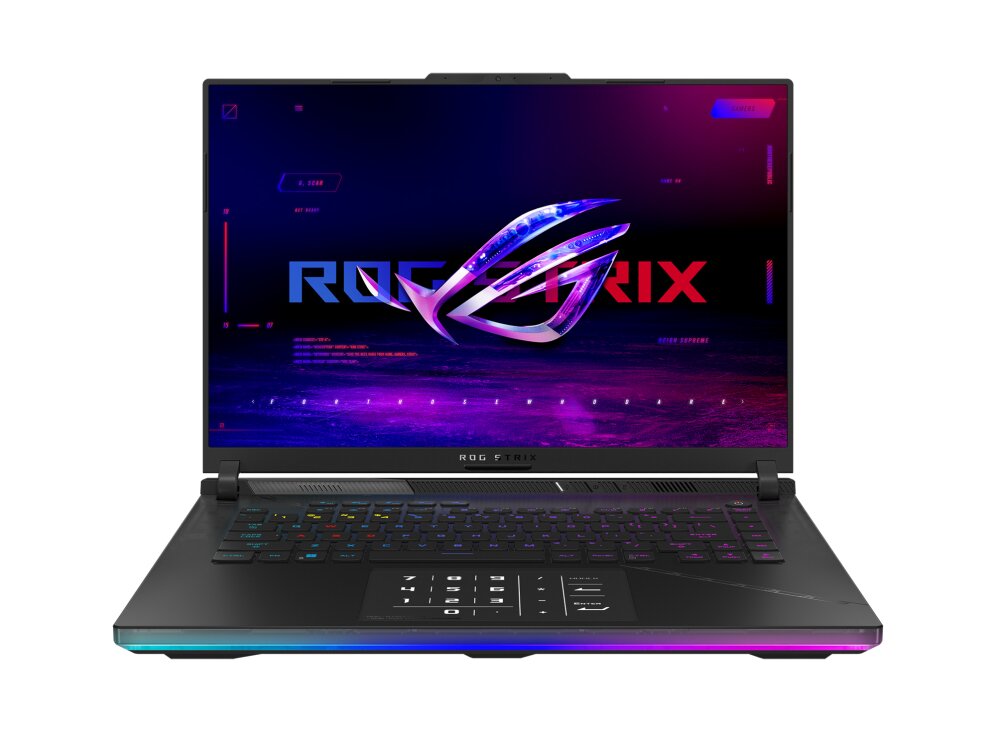


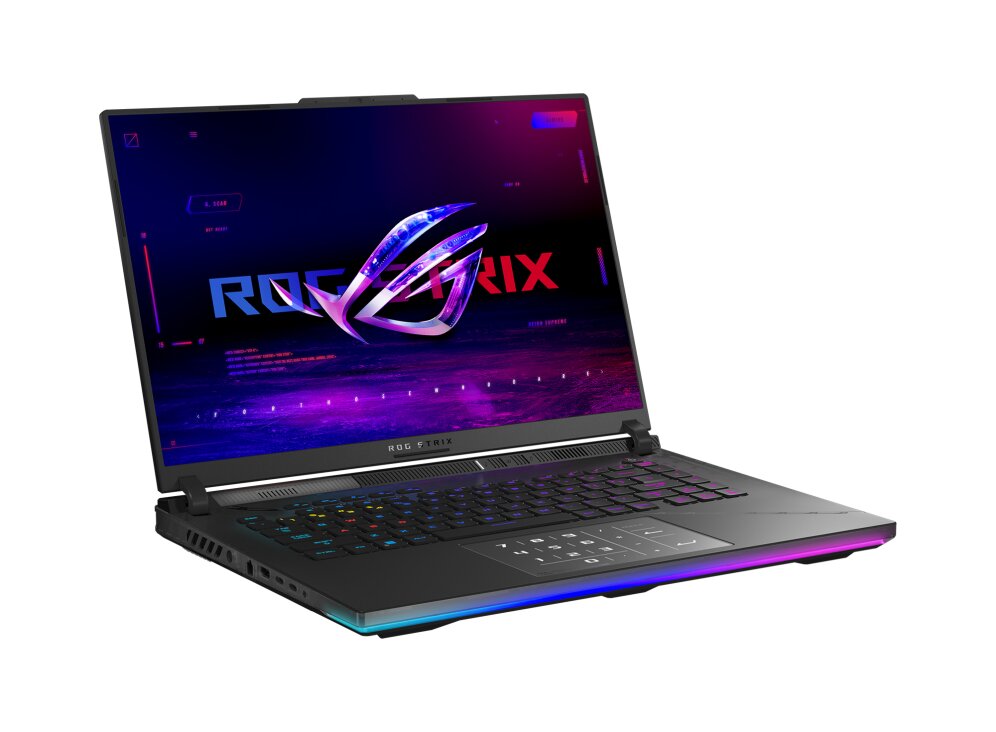
ASUS ROG Strix SCAR 16 model G634JZ-NM072W features DDR5-SDRAM memory upgrade specifications with two SO-DIMM slots supporting maximum capacity of 64 GB RAM. Compatible memory operates at 4800 MHz frequency. The laptop specifications accommodate DDR5 SO-DIMM form factor modules, enabling users to upgrade memory by installing compatible DDR5 modules in available slots up to the maximum supported capacity.
Memory Upgrade Specifications
| Specification | Value |
|---|---|
| Memory slots | 2x SO-DIMM |
| Form factor | SO-DIMM |
| Memory type | DDR5-SDRAM |
| Frequency | 4800 MHz |
| Maximum RAM | 64 GB |
| Voltage | 1.1V |
| Number of pins | 262-pin |
| Interface | PC5 |
| PC Speed Rating | PC5-4800 (PC5-38400) |
| Bandwidth | 38.4 GB/s |
Additional Notes
- The ASUS ROG G634JZ-NM072W supports dual-channel memory architecture through its 2 SO-DIMM slots, enabling increased memory bandwidth when both slots are populated with matched modules.
- DDR5-4800 operates at 1.1V compared to DDR4's 1.2V, reducing power consumption and thermal output during sustained memory-intensive operations.
- The 64 GB ceiling requires 2 modules of 32 GB each, as configurations exceeding this capacity will not be recognized by the memory controller.
- SO-DIMM modules measure 67.6mm in length versus desktop DIMM's 133.35mm, making standard desktop memory physically incompatible with this system.
- DDR5-4800 delivers 38.4 GB/s bandwidth per channel, totaling 76.8 GB/s in dual-channel mode, compared to DDR4-3200's combined 51.2 GB/s.
- Installing a single module degrades performance to single-channel operation, halving available memory bandwidth regardless of module capacity.
- DDR5 modules incorporate on-die ECC, providing error correction at the DRAM level without requiring system-level ECC support.
- Mixing modules with different speeds forces all memory to operate at the lowest common frequency, negating performance benefits of higher-rated modules.
- The 4800 MHz specification represents JEDEC standard speed, ensuring compatibility without requiring XMP or EXPO profile activation in BIOS.
- Memory access beyond the 64 GB threshold may cause POST failure or system instability, as the chipset's addressing capability has defined upper limits.
- SO-DIMM installation typically requires removing bottom panel access covers, with some manufacturers voiding warranties if factory-sealed modules are replaced.
- DDR5's higher frequency generates increased electromagnetic interference compared to DDR4, necessitating modules with proper shielding in densely packed laptop chassis.