ASUS ROG G634JZ-NM041W RAM upgrade specifications



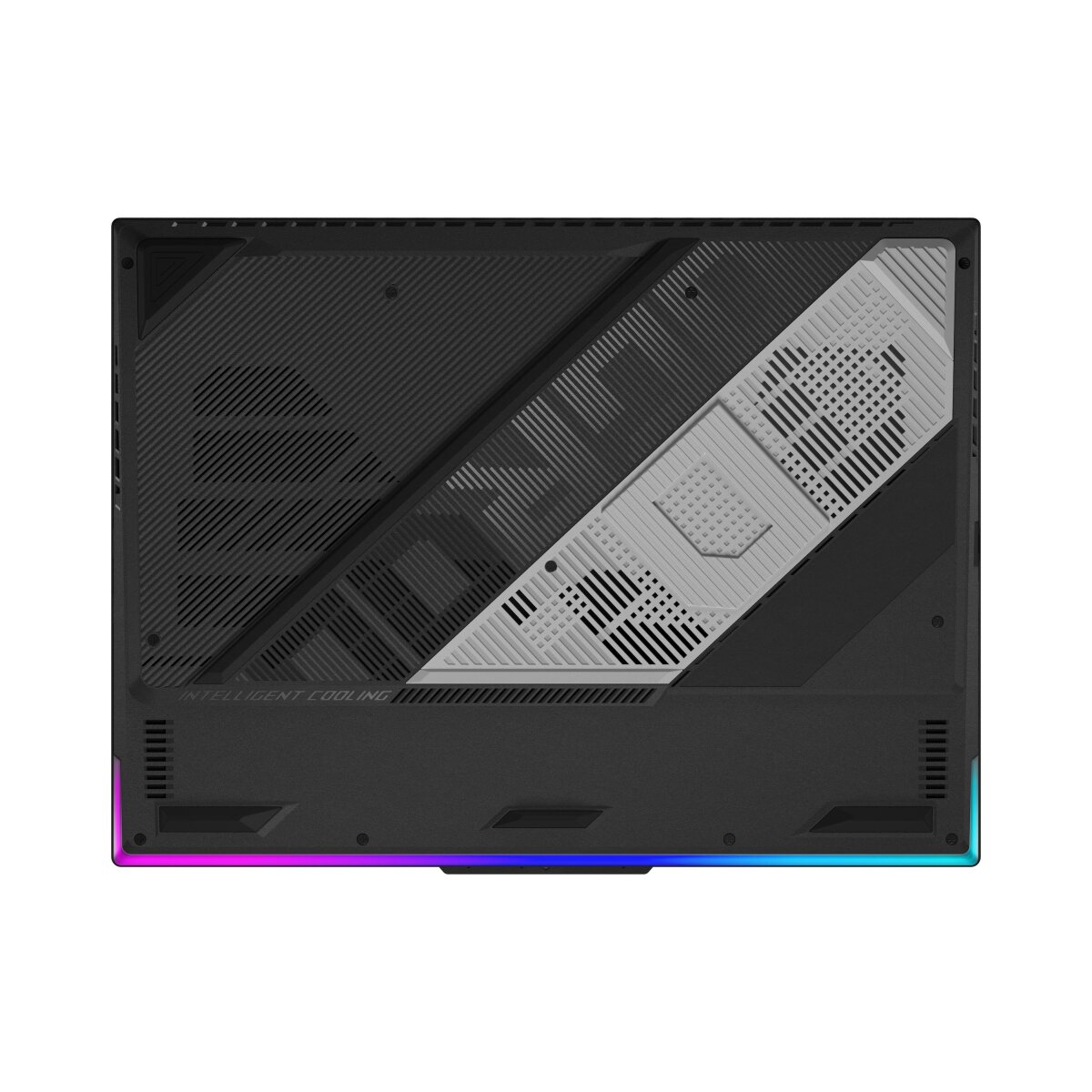
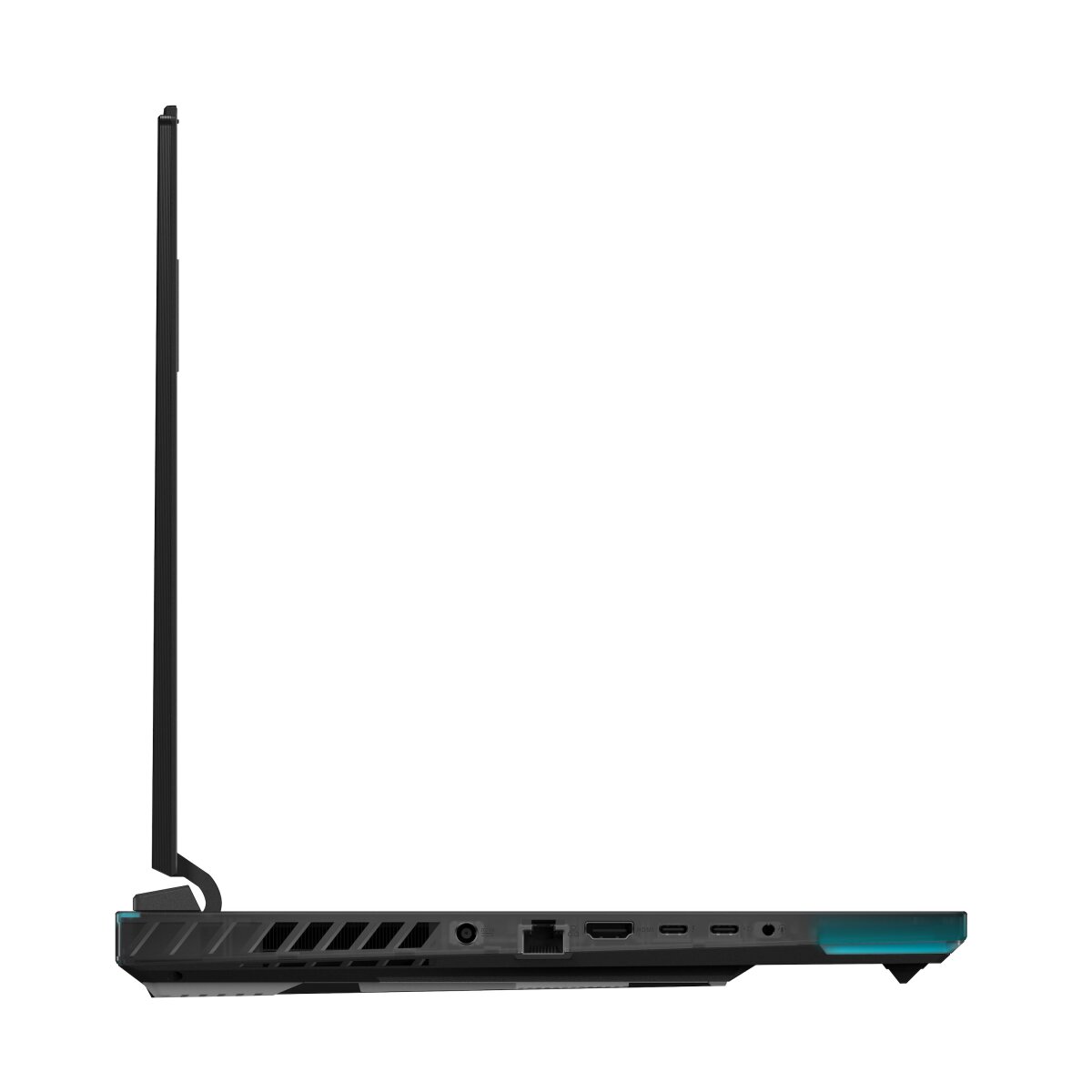
The ASUS ROG Strix SCAR 16 G634JZ-NM041W supports DDR5-SDRAM memory upgrades with two SO-DIMM slots available for expansion. Maximum RAM capacity reaches 64 GB when both slots are populated. The laptop features DDR5 memory operating at 4800 MHz frequency. Compatible upgrades must utilize SO-DIMM form factor modules. Specifications indicate the G634JZ-NM041W can accept memory modules up to 32 GB per slot for reaching maximum capacity configuration. DDR5 technology provides enhanced performance compared to previous generation memory standards.
Memory Upgrade Specifications
| Specification | Value |
|---|---|
| Memory slots | 2x SO-DIMM |
| Form factor | SO-DIMM |
| Memory type | DDR5-SDRAM |
| Frequency | 4800 MHz |
| Maximum RAM | 64 GB |
| Voltage | 1.1V |
| Number of pins | 262-pin |
| Interface | PC5 |
| PC Speed Rating | PC5-4800 (PC5-38400) |
| Bandwidth | 38.4 GB/s |
Additional Notes
- The ASUS ROG G634JZ-NM041W accepts only DDR5 modules, making DDR4 or earlier generation memory physically and electrically incompatible with the system.
- The 64 GB ceiling requires 2 matching 32 GB modules to reach maximum capacity, as only 2 SO-DIMM slots are available.
- DDR5 operates at higher voltages during initial boot sequences compared to DDR4, which may cause compatibility issues with modules not validated for this specific platform.
- The 4800 MHz specification represents JEDEC baseline speed for DDR5, meaning faster modules will downclock to this frequency unless XMP/EXPO profiles are enabled in BIOS.
- SO-DIMM form factor limits aftermarket options compared to desktop UDIMM modules, with fewer manufacturers producing high-capacity DDR5 SO-DIMM kits above 32 GB per stick.
- Mixed-capacity configurations create asymmetric memory channels, potentially disabling dual-channel mode and reducing bandwidth by approximately 50 percent.
- DDR5's on-die ECC operates independently of system-level error correction, providing silent data corruption protection without OS visibility or user configuration.
- Non-matching CAS latency timings between modules force both sticks to operate at the slower module's timing structure, increasing memory access latency.
- The dual-slot configuration leaves no room for future expansion beyond the initial upgrade, requiring complete module replacement to increase capacity.
- Third-party modules may lack manufacturer validation for this ROG chassis, potentially voiding warranty coverage if memory-related failures occur during the warranty period.
- 4800 MHz DDR5 delivers approximately 38.4 GB/s theoretical bandwidth per channel, totaling 76.8 GB/s in dual-channel mode under ideal conditions.
- Modules exceeding JEDEC specifications require motherboard firmware support for SPD profile switching, which may not persist after BIOS updates or CMOS resets.