ASUS ROG G634JZ-NM032W RAM upgrade specifications
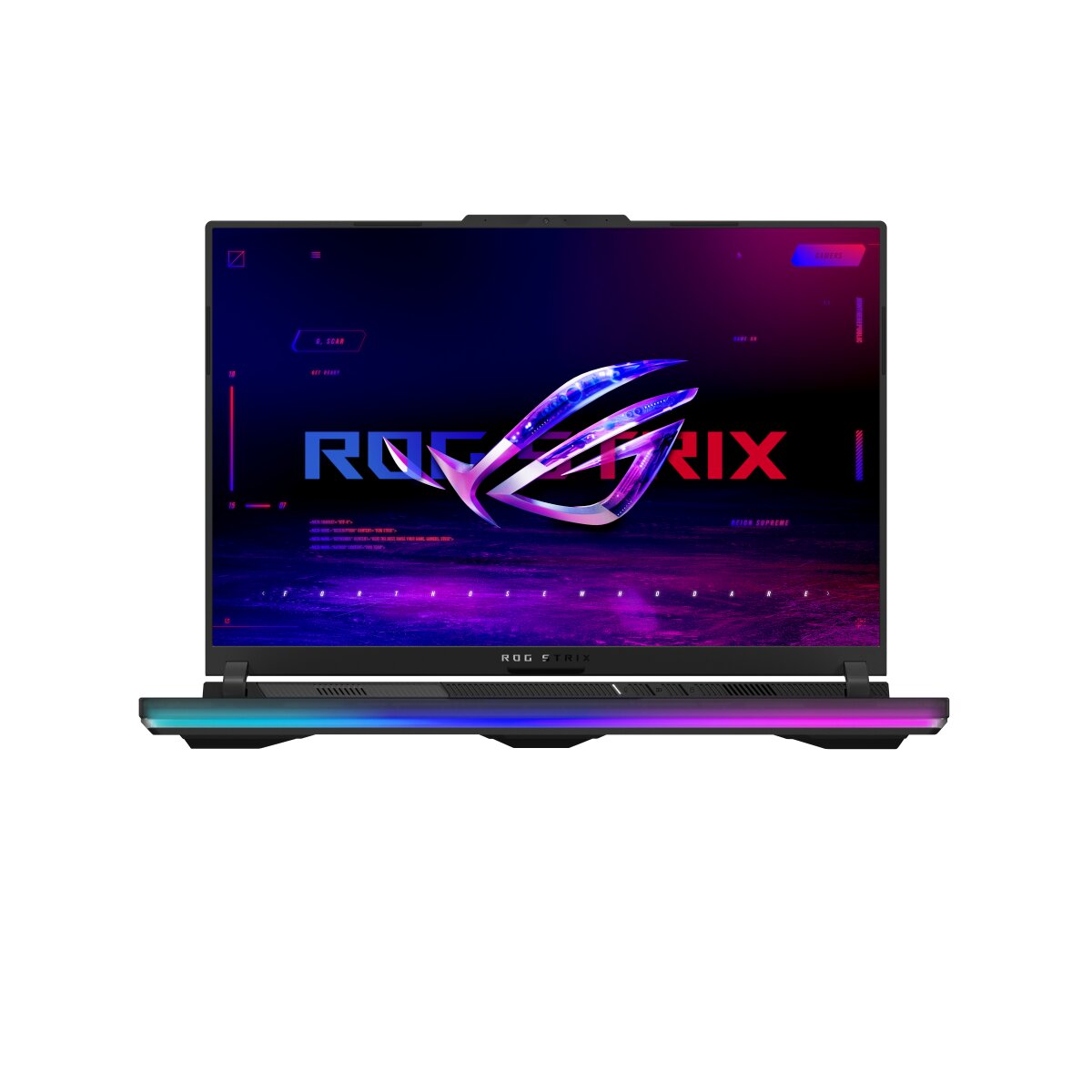
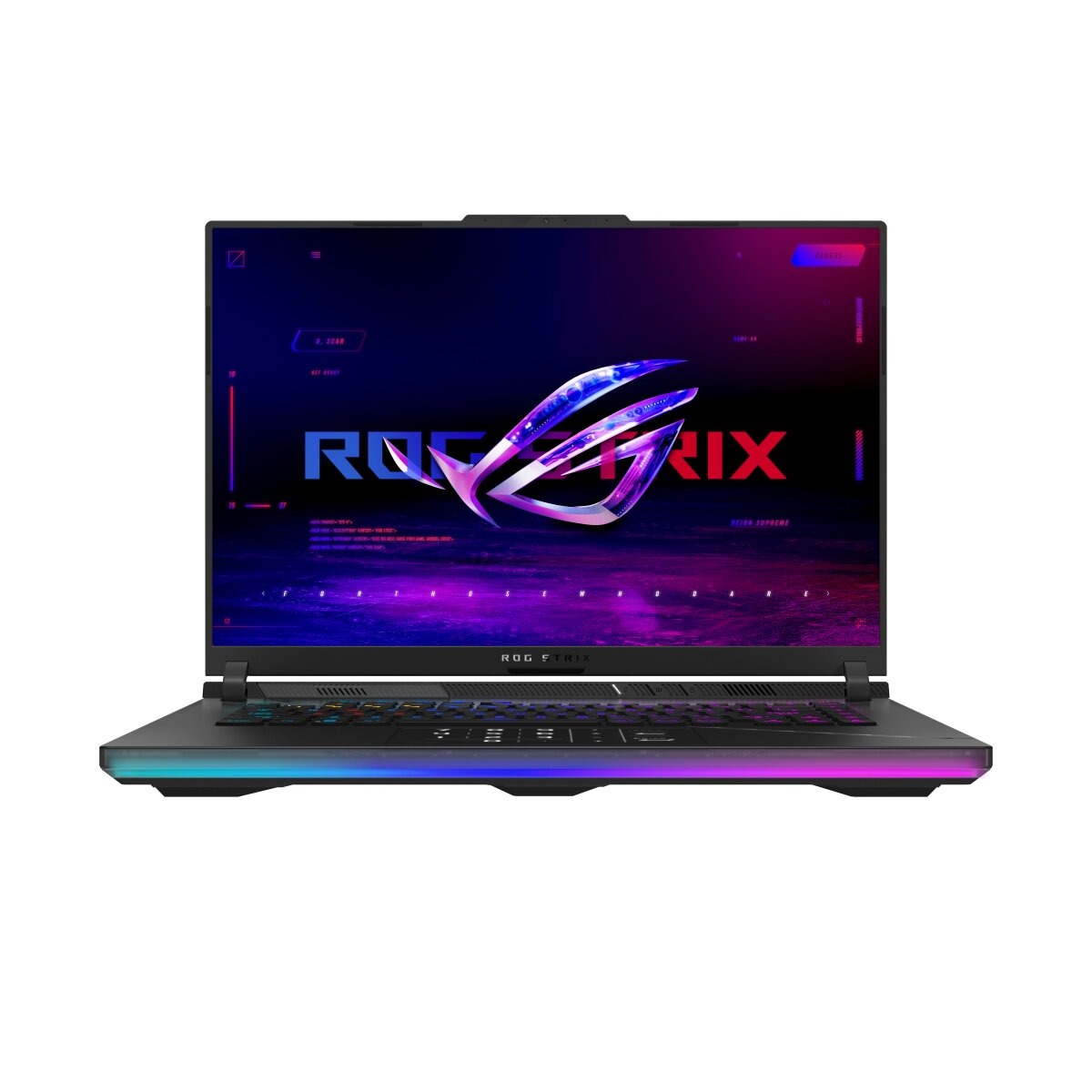
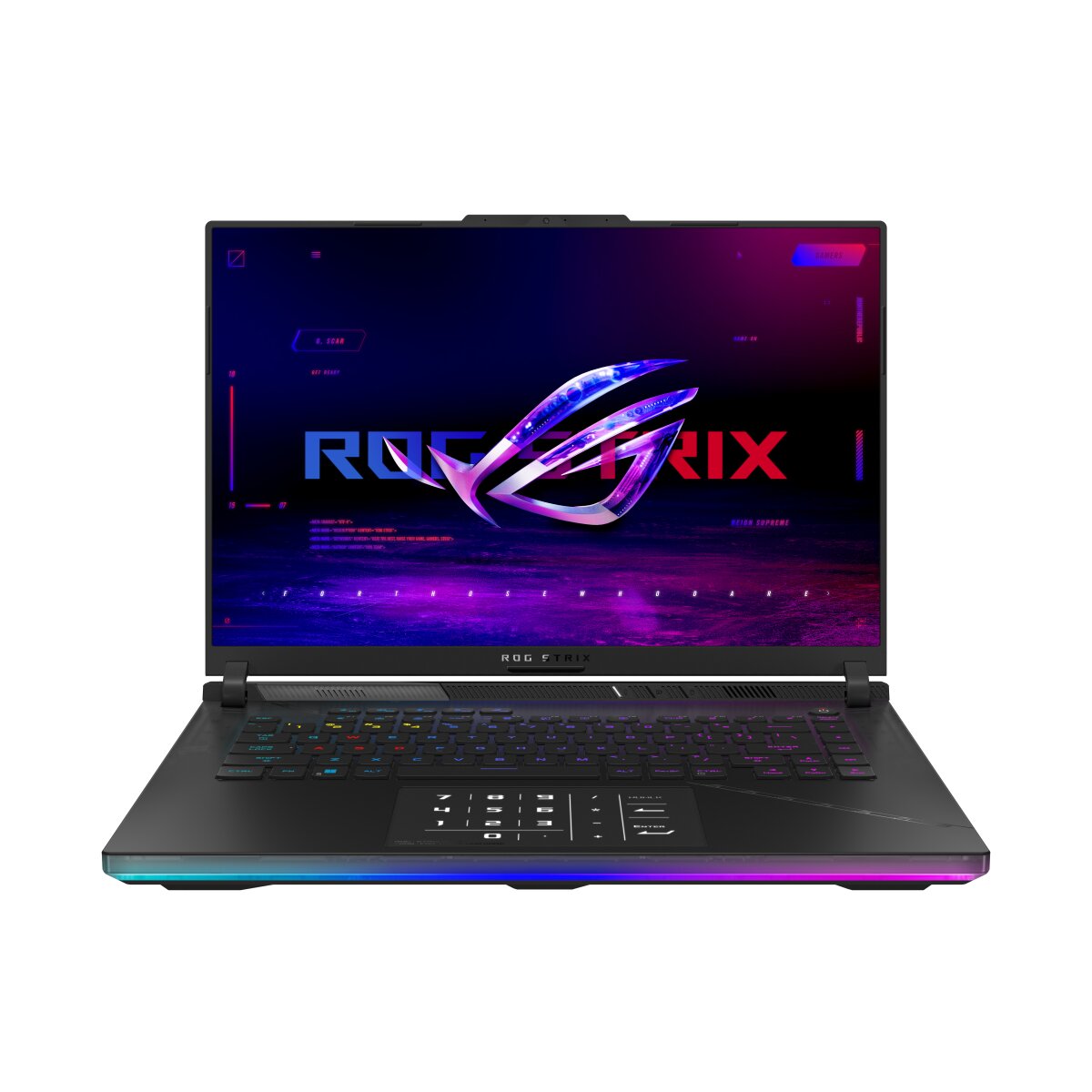
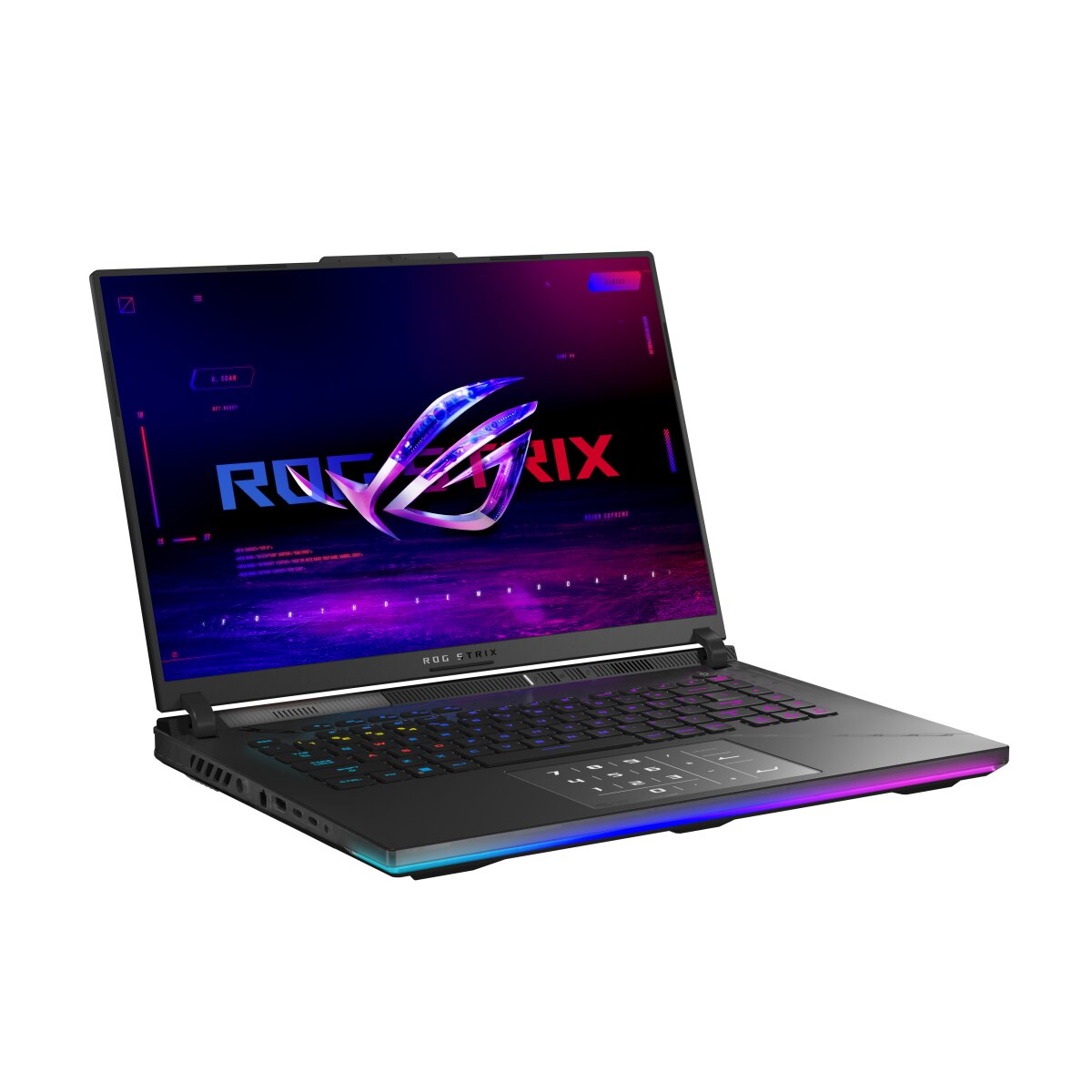
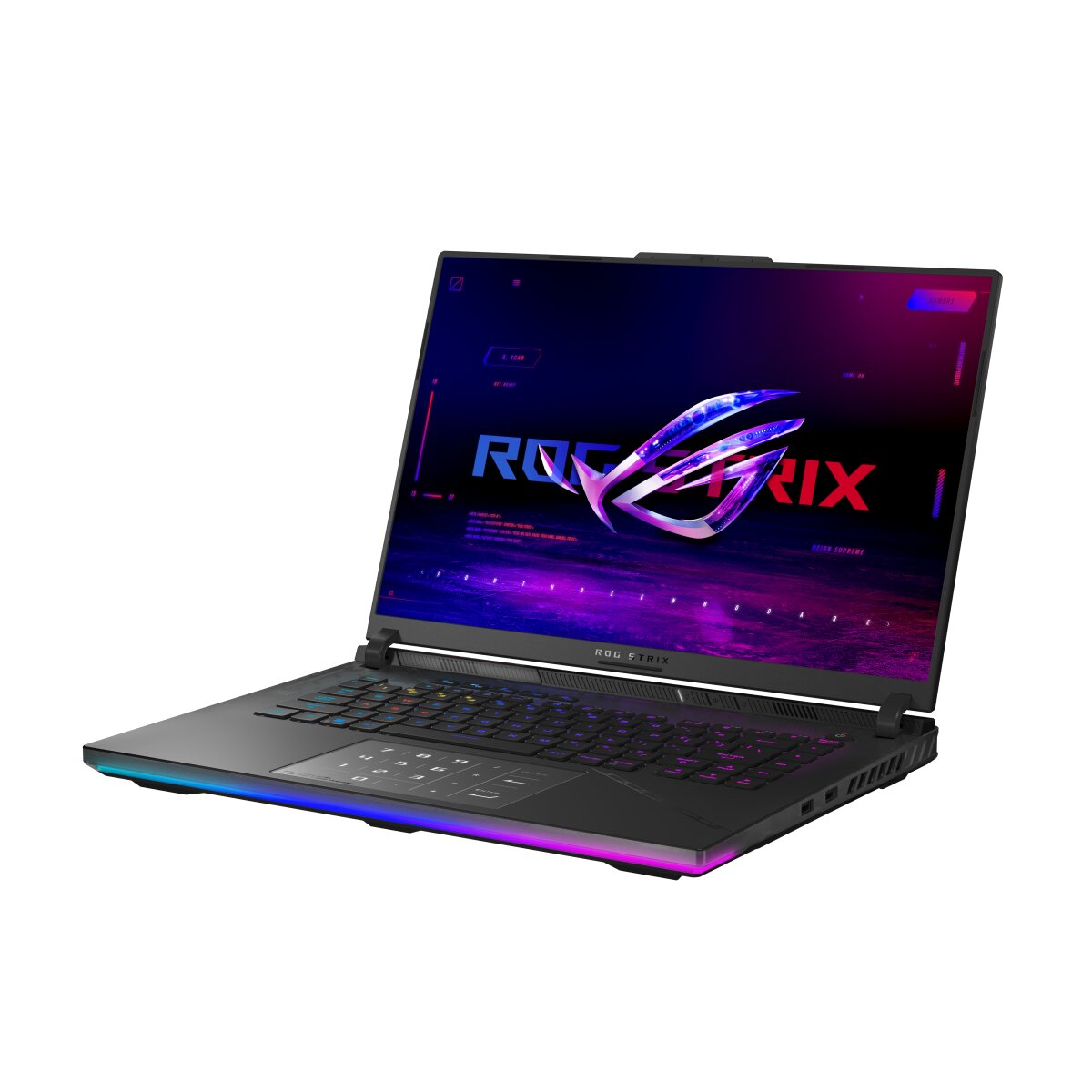
The ASUS ROG Strix SCAR 16 G634JZ-NM032W laptop features DDR5-SDRAM memory upgrade capabilities. The system contains 2x SO-DIMM slots supporting maximum RAM capacity of 64 GB. Memory modules operate at 4800 MHz frequency. Specifications indicate DDR5 SO-DIMM compatible upgrades are available for this model, allowing users to expand memory configuration according to system requirements and compatibility standards.
Memory Upgrade Specifications
| Specification | Value |
|---|---|
| Memory slots | 2x SO-DIMM |
| Form factor | SO-DIMM |
| Memory type | DDR5-SDRAM |
| Frequency | 4800 MHz |
| Maximum RAM | 64 GB |
| Voltage | 1.1V |
| Number of pins | 262-pin |
| Interface | PC5 |
| PC Speed Rating | PC5-4800 (PC5-38400) |
| Bandwidth | 38.4 GB/s |
| Laptop Release date | 10 February 2023 |
Additional Notes
- The ASUS ROG G634JZ-NM032W supports DDR5 memory at 4800 MHz, which requires compatible DDR5-capable SO-DIMM modules; DDR4 memory will not function in these slots due to physical and electrical incompatibility.
- With only 2 SO-DIMM slots available, maximum addressable memory is capped at 64 GB total, meaning a 32 GB module per slot represents the practical ceiling for capacity expansion.
- SO-DIMM form factor constraints limit module selection to laptop-specific memory; standard desktop DIMM modules cannot be installed regardless of speed or capacity ratings.
- Upgrading to 64 GB requires matching pairs of 32 GB DDR5-4800 SO-DIMM modules; single-module installations will operate at reduced bandwidth due to single-channel configuration rather than dual-channel architecture.
- Memory timing and voltage specifications for DDR5-4800 modules must align with the laptop's JEDEC standards to ensure POST compatibility; non-standard profiles may cause boot failures despite advertised frequency compliance.
- Accessing the SO-DIMM slots typically necessitates disassembling the bottom panel, which may void certain warranty provisions depending on ASUS service policies; documentation should be verified before installation.
- The 4800 MHz frequency rating represents the baseline specification; actual bandwidth utilization depends on CPU-to-controller latency and the memory controller's configured refresh cycle timing.