ASUS ROG G733PZ-R97B48PB1 RAM upgrade specifications
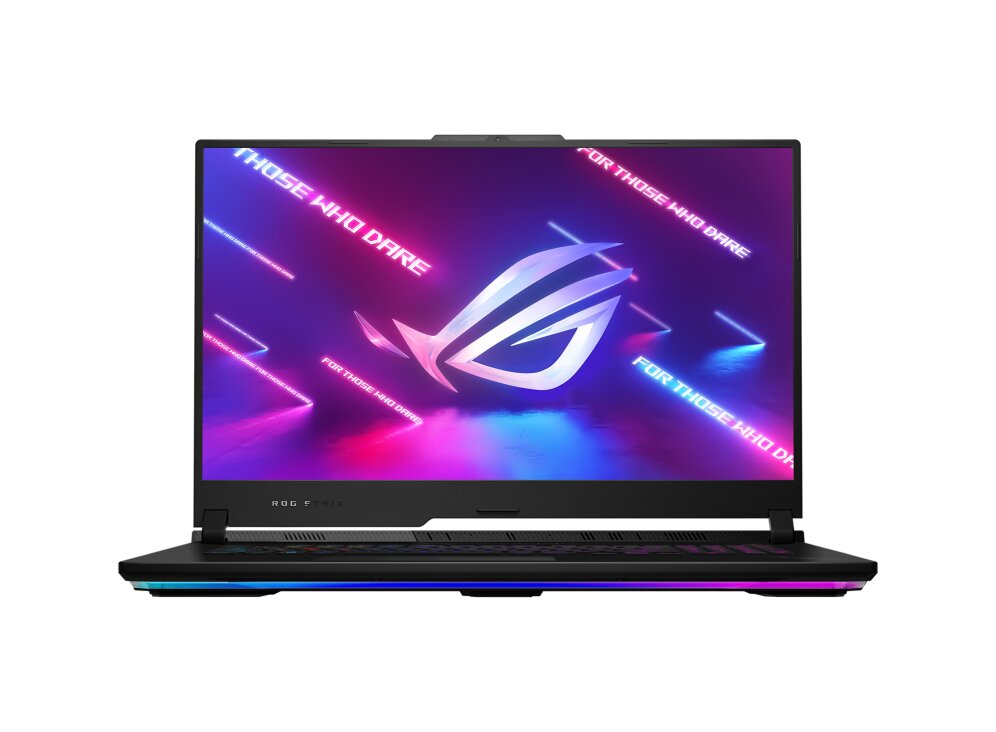
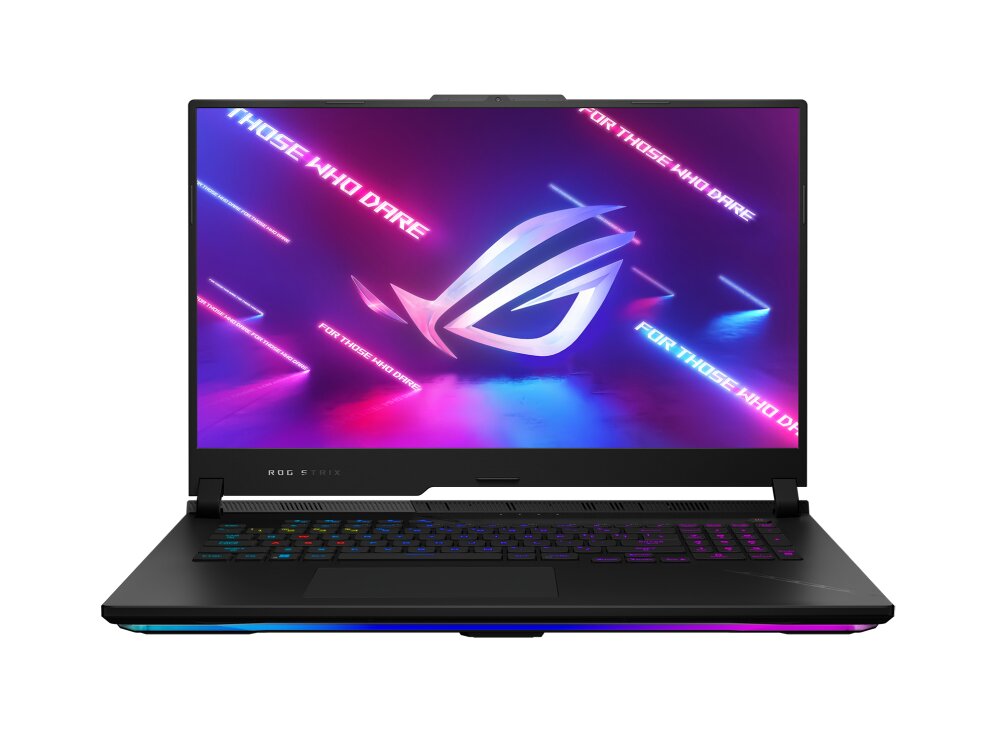



ASUS ROG Strix SCAR 17 G733PZ-R97B48PB1 specifications support DDR5-SDRAM memory upgrades. The laptop features 2x SO-DIMM slots with maximum RAM capacity of 64 GB. Compatible memory modules operate at 4800 MHz frequency. Upgrade specifications indicate SO-DIMM form factor memory is required for this model. Maximum supported capacity allows for installation of compatible DDR5 memory modules up to 64 GB total configuration.
Memory Upgrade Specifications
| Specification | Value |
|---|---|
| Memory slots | 2x SO-DIMM |
| Form factor | SO-DIMM |
| Memory type | DDR5-SDRAM |
| Frequency | 4800 MHz |
| Maximum RAM | 64 GB |
| Voltage | 1.1V |
| Number of pins | 262-pin |
| Interface | PC5 |
| PC Speed Rating | PC5-4800 (PC5-38400) |
| Bandwidth | 38.4 GB/s |
| Laptop Release date | 16 March 2023 |
Additional Notes
- DDR5 SO-DIMM modules operate at higher voltages than DDR4, requiring motherboard firmware that supports JEDEC specifications for stable operation across all supported frequencies.
- The 64 GB maximum capacity indicates dual-channel architecture utilizing 32 GB modules, though availability of DDR5 SO-DIMM modules at this density remains limited from certain manufacturers.
- 4800 MHz represents the baseline JEDEC speed for DDR5, meaning higher-speed modules will downclock to this frequency due to chipset or CPU memory controller limitations.
- DDR5's on-DIMM voltage regulation differs from DDR4's motherboard-based approach, improving signal integrity but preventing backward compatibility with any DDR4 infrastructure.
- The ASUS ROG G733PZ-R97B48PB1 dual-slot configuration limits upgrade flexibility compared to 4-slot desktop systems, as capacity expansion requires complete module replacement rather than incremental additions.
- SO-DIMM form factor modules generate different thermal profiles than full-size DIMMs, with heat dissipation relying on laptop chassis design rather than dedicated module heatspreaders.
- Memory installed beyond factory specifications may void warranty coverage depending on regional support policies, though most jurisdictions protect user-serviceable component upgrades.
- Mixing DDR5 modules with different CAS latencies or timings forces the memory controller to adopt the slowest common specifications, potentially negating performance advantages of premium modules.
- The SO-DIMM slot mechanism requires precise insertion angles to avoid damaging retention clips, unlike desktop DIMM slots that offer greater mechanical tolerance.
- DDR5's improved error correction through on-die ECC functions independently of system-level ECC support, providing background reliability improvements not visible to end users.
- Capacity upgrades beyond 32 GB trigger rank interleaving behavior that can marginally affect latency characteristics in bandwidth-intensive workloads despite maintaining advertised speeds.