ASUS ROG G733PZ-LL064-Gaming RAM upgrade specifications
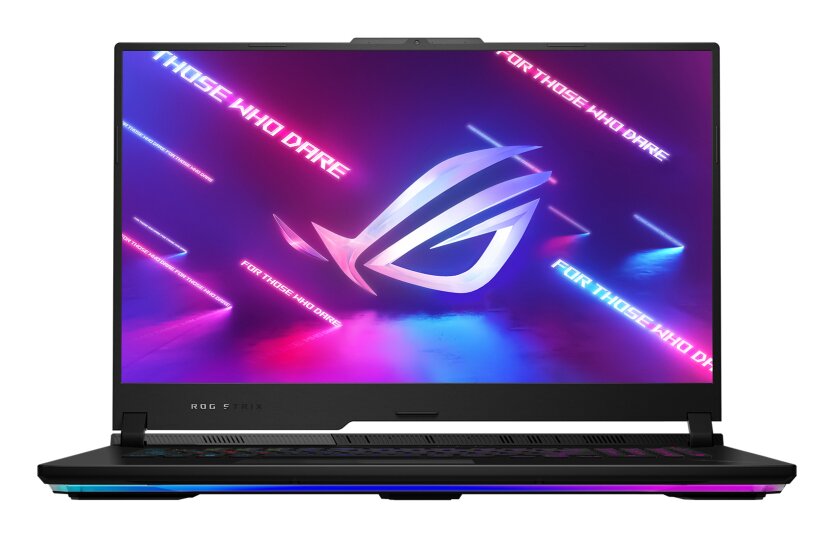
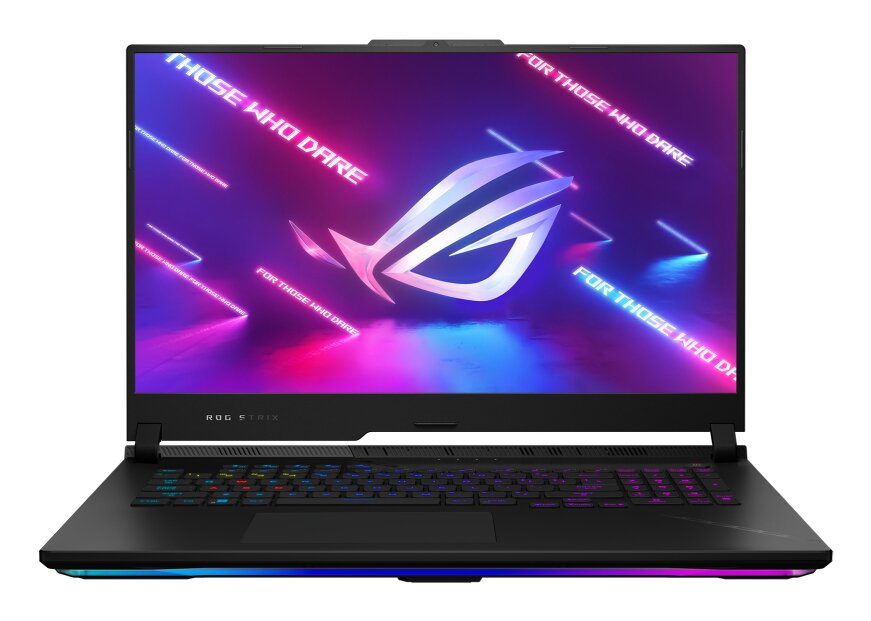
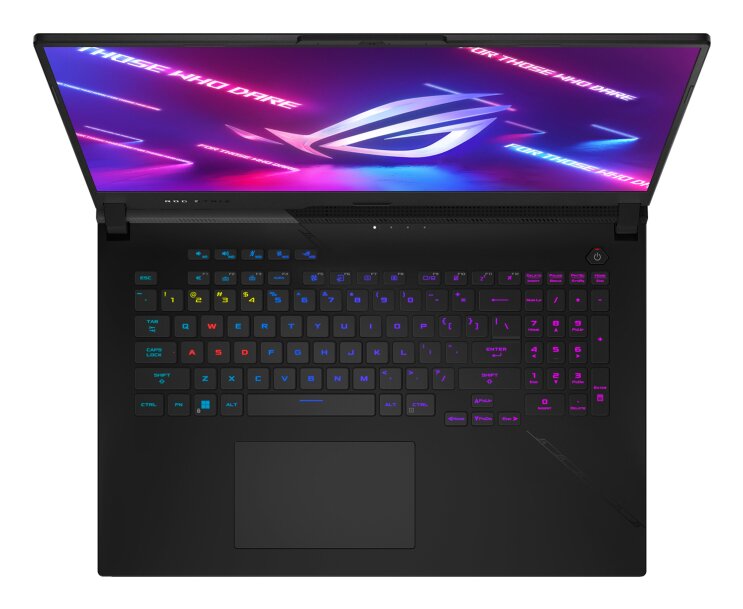
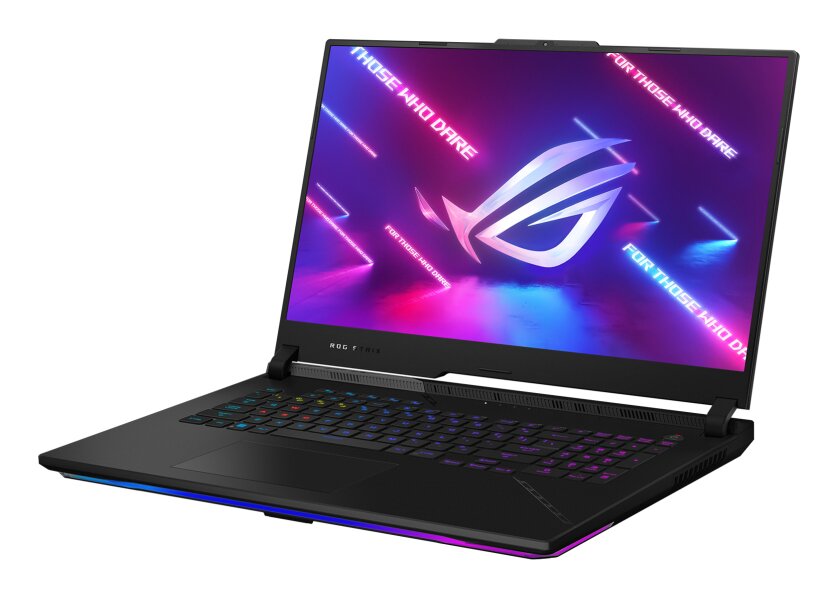
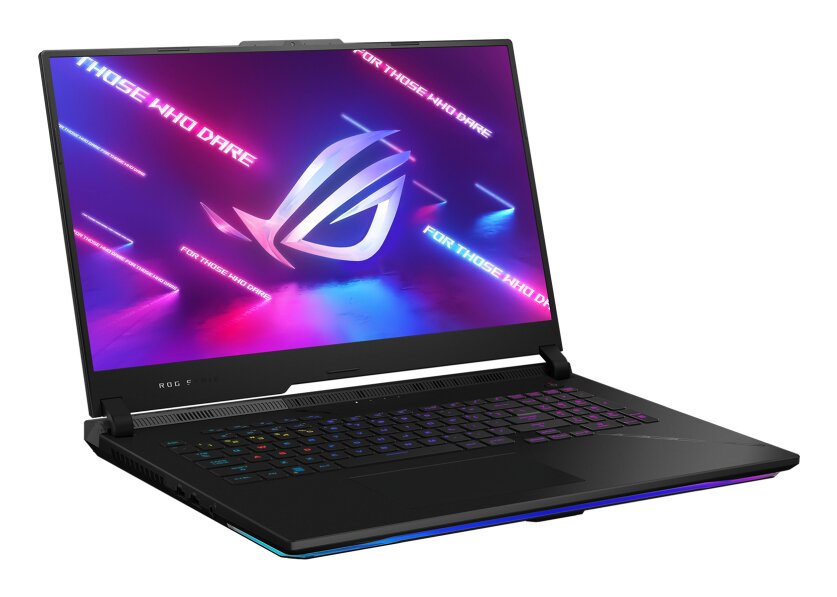
ASUS ROG Strix SCAR 17 G733PZ-LL064-Gaming laptop features DDR5-SDRAM memory upgrade specifications. Compatible memory utilizes 2x SO-DIMM slots with maximum capacity of 64 GB RAM. Memory operates at 4800 MHz frequency. Upgrade configurations support SO-DIMM form factor DDR5 modules. Specifications enable memory expansion from factory configuration to maximum 64 GB total capacity across available slots.
Memory Upgrade Specifications
| Specification | Value |
|---|---|
| Memory slots | 2x SO-DIMM |
| Form factor | SO-DIMM |
| Memory type | DDR5-SDRAM |
| Frequency | 4800 MHz |
| Maximum RAM | 64 GB |
| Voltage | 1.1V |
| Number of pins | 262-pin |
| Interface | PC5 |
| PC Speed Rating | PC5-4800 (PC5-38400) |
| Bandwidth | 38.4 GB/s |
Additional Notes
- The ASUS ROG G733PZ-LL064-Gaming system restricts upgrades to SO-DIMM modules exclusively, eliminating compatibility with standard DIMM desktop memory despite sharing the same DDR5 voltage specifications.
- DDR5-4800 represents the JEDEC baseline frequency for this generation, meaning faster XMP-rated modules will downclock to 4800 MHz unless the BIOS supports overclocking profiles beyond this native speed.
- The 64 GB ceiling requires dual 32 GB modules to achieve maximum capacity, as a single-module configuration would cap the system at 32 GB regardless of slot availability.
- DDR5 architecture mandates on-module voltage regulation through a PMIC chip, making legacy DDR4 SO-DIMMs physically incompatible even if the 260-pin connector appears similar.
- Dual-channel population across both slots provides double the theoretical memory bandwidth compared to single-channel operation, critical for GPU-intensive workloads where integrated memory controllers share data pathways.
- SO-DIMM height clearances in laptop chassis typically allow standard 30mm modules, though low-profile variants become irrelevant since vertical space constraints differ from tower desktop configurations.
- Mixing module capacities between slots maintains functionality but forces the system into flex mode asymmetric operation, reducing effective dual-channel bandwidth in the mismatched capacity portion.
- Non-ECC unbuffered modules represent the only compatible type for consumer laptop platforms, as registered or load-reduced DDR5 variants target server architectures with different signal timing requirements.
- Warranty preservation depends on using JEDEC-standard modules rather than extreme overclocking variants, since operating beyond 4800 MHz involves voltage and timing modifications that fall outside manufacturer-validated parameters.
- The 4800 MHz data rate translates to PC5-38400 bandwidth designation, providing 38.4 GB/s theoretical throughput per module before accounting for dual-channel aggregation.