ASUS ROG G733PZ-LL063-Gaming RAM upgrade specifications
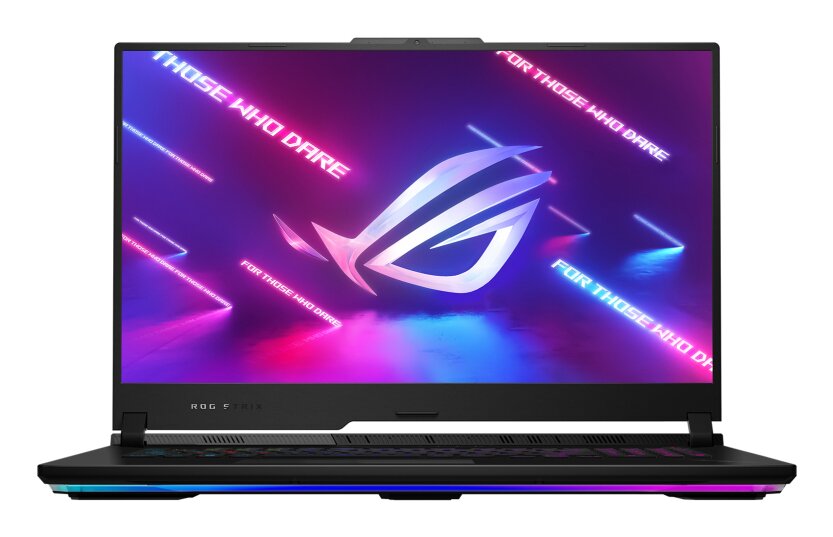

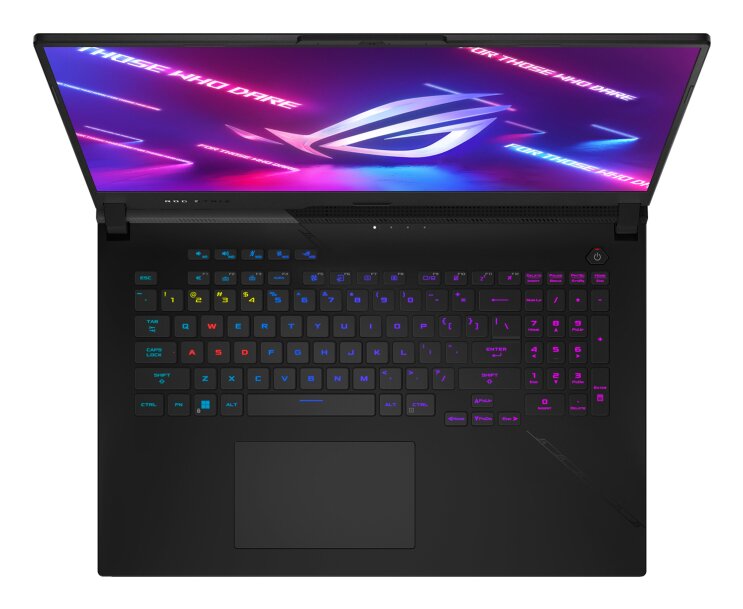


ASUS ROG Strix SCAR 17 G733PZ-LL063-Gaming laptop features DDR5-SDRAM memory with two SO-DIMM slots supporting maximum capacity of 64 GB. Upgrade specifications indicate compatible RAM operates at 4800 MHz frequency. Native memory configuration utilizes SO-DIMM form factor. Existing RAM modules may be replaced or additional capacity installed within maximum specifications of 64 GB total memory. DDR5 technology provides enhanced performance parameters for gaming and intensive applications. Specifications remain compatible with standard SO-DIMM upgrade modules meeting DDR5 standards and frequency requirements.
Memory Upgrade Specifications
| Specification | Value |
|---|---|
| Memory slots | 2x SO-DIMM |
| Form factor | SO-DIMM |
| Memory type | DDR5-SDRAM |
| Frequency | 4800 MHz |
| Maximum RAM | 64 GB |
| Voltage | 1.1V |
| Number of pins | 262-pin |
| Interface | PC5 |
| PC Speed Rating | PC5-4800 (PC5-38400) |
| Bandwidth | 38.4 GB/s |
Additional Notes
- The ASUS ROG G733PZ-LL063-Gaming uses SO-DIMM modules, which require verification of pin count (typically 262-pin for DDR5) before purchasing replacement memory to ensure physical socket compatibility.
- The 4800 MHz specification represents the tested and validated speed by the manufacturer, though DDR5 modules with higher frequencies may downclock automatically to this base speed if installed.
- The dual-channel configuration requires matched pairs of identical modules to maintain optimal memory bandwidth, with mismatched modules potentially forcing single-channel operation and halving throughput.
- The 64 GB maximum capacity constraint is enforced by the chipset and BIOS limitations, meaning two 32 GB modules represent the absolute ceiling regardless of future DDR5 density increases.
- DDR5 memory operates with on-die ECC (error correction code) by default, a feature distinct from traditional ECC UDIMM modules and transparent to the user but improving data integrity.
- The SO-DIMM form factor necessitates accessing the bottom panel or keyboard deck depending on chassis design, with some gaming laptop configurations requiring partial disassembly that may affect warranty status if protective seals are broken.
- DDR5's higher voltage regulation requirements are managed on-module rather than motherboard-level, meaning each SO-DIMM contains its own PMIC (power management integrated circuit) that must be compatible with the laptop's power delivery specifications.
- Mixing DDR5 modules from different manufacturers can introduce stability issues due to varying latency timings and voltage tolerances, even when frequency ratings match the 4800 MHz specification.
- The 2-slot limitation means capacity upgrades require complete replacement of existing modules rather than supplementation, making the initial configuration choice critical for long-term upgrade economics.
- DDR5-4800 operates at lower absolute latencies despite higher CAS latency numbers compared to DDR4, due to the doubled burst length and prefetch architecture inherent to the DDR5 standard.