ASUS ROG G733PZ-LL076W RAM upgrade specifications
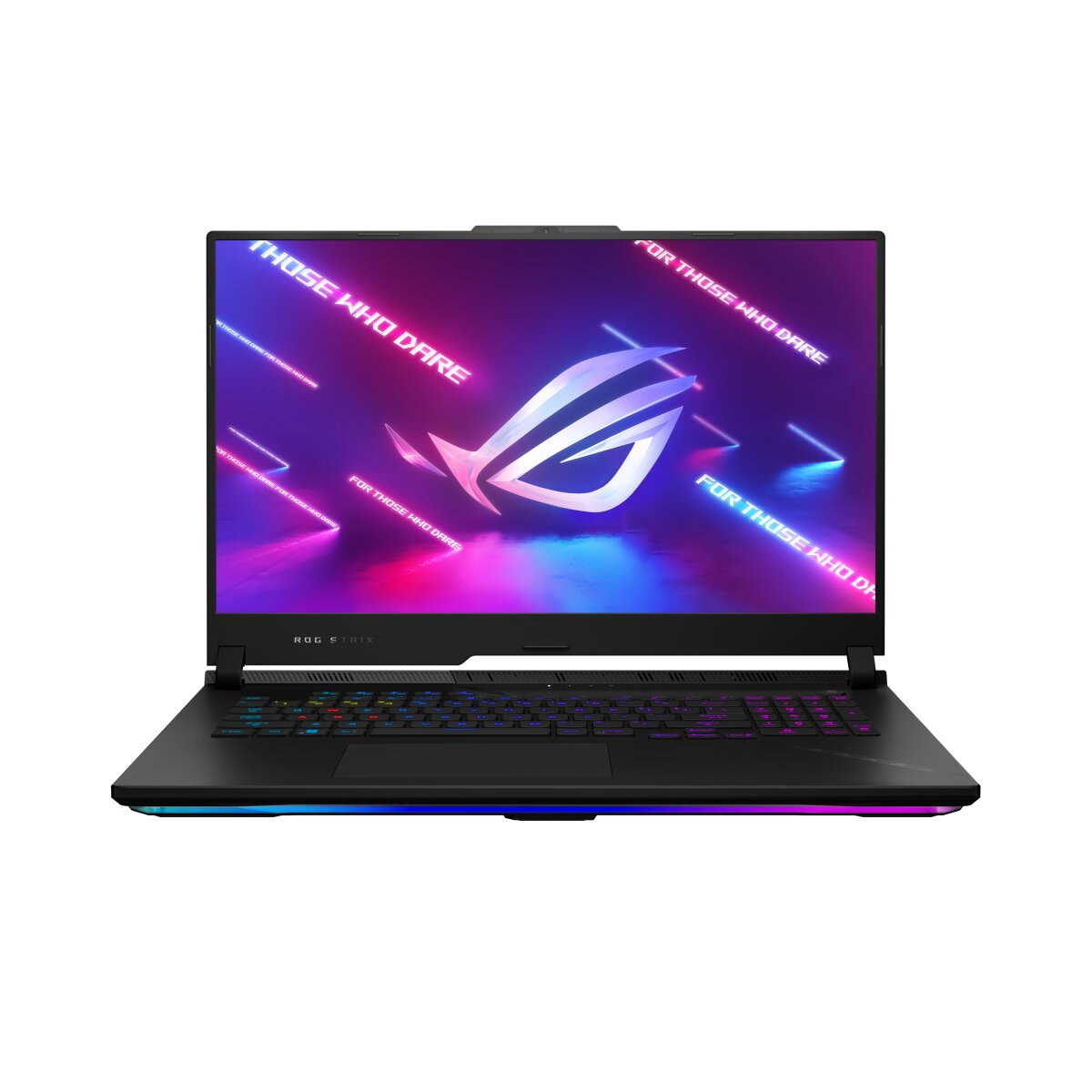



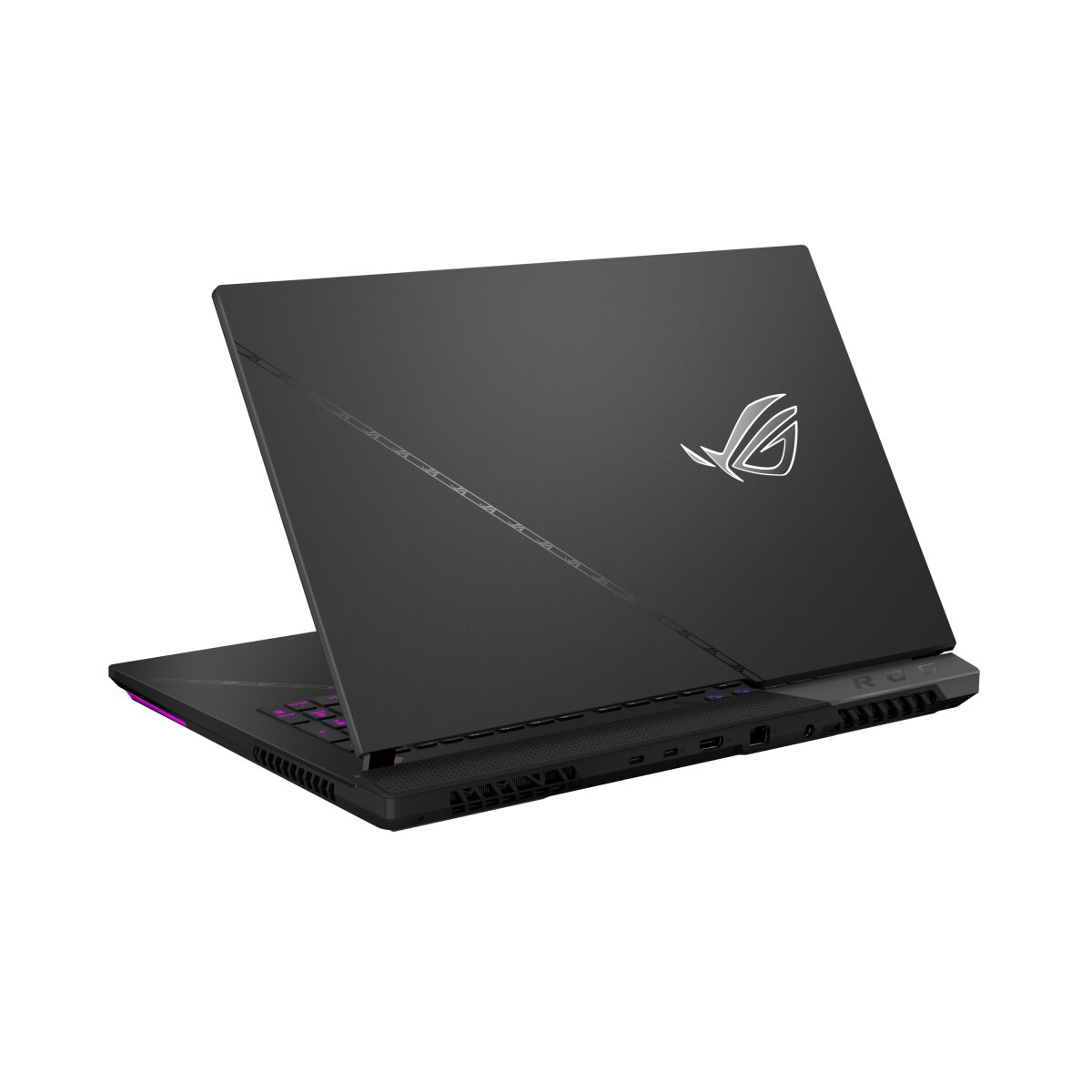
The ASUS ROG Strix SCAR 17 G733PZ-LL076W laptop features DDR5-SDRAM memory upgrade specifications with two SO-DIMM slots supporting maximum capacity of 64 GB total. Compatible memory modules operate at 4800 MHz frequency. The upgrade specifications indicate SO-DIMM form factor memory compatibility for the G733PZ-LL076W model, allowing users to expand RAM capacity up to the maximum supported 64 GB configuration across the available memory slots.
Memory Upgrade Specifications
| Specification | Value |
|---|---|
| Memory slots | 2x SO-DIMM |
| Form factor | SO-DIMM |
| Memory type | DDR5-SDRAM |
| Frequency | 4800 MHz |
| Maximum RAM | 64 GB |
| Voltage | 1.1V |
| Number of pins | 262-pin |
| Interface | PC5 |
| PC Speed Rating | PC5-4800 (PC5-38400) |
| Bandwidth | 38.4 GB/s |
Additional Notes
- The ASUS ROG G733PZ-LL076W contains 2 SO-DIMM slots, meaning both memory modules must be replaced simultaneously to upgrade capacity; single-slot expansion is not possible.
- DDR5-4800 MHz memory operates at reduced speed relative to DDR5-5600 or DDR5-6000 modules, limiting bandwidth potential even if higher-frequency modules are installed; the motherboard will downclock incompatible modules to 4800 MHz or lower.
- Upgrading to the 64 GB maximum requires 2x 32 GB SO-DIMM modules; 48 GB configurations (2x 24 GB) are not supported by standard DDR5 JEDEC specifications and will not function.
- SO-DIMM form factor confirms this is a compact notebook design; standard UDIMM memory will not physically fit regardless of electrical compatibility.
- DDR5 memory operates at 1.1 volts compared to DDR4's 1.2 volts; sourcing replacement modules outside manufacturer specifications risks data corruption and potential motherboard damage since voltage regulators are calibrated to DDR5 tolerances.
- Memory upgrade voids warranty coverage on most notebook platforms unless performed by authorized service centers; third-party installation may result in loss of hardware support claims.
- Latency on DDR5-4800 modules typically measures 40 cycles or higher, creating a trade-off where frequency gains from newer DDR5 stock do not proportionally improve real-world gaming performance compared to older DDR4 systems in latency-sensitive workloads.