ASUS ROG G733PZ-LL034W RAM upgrade specifications

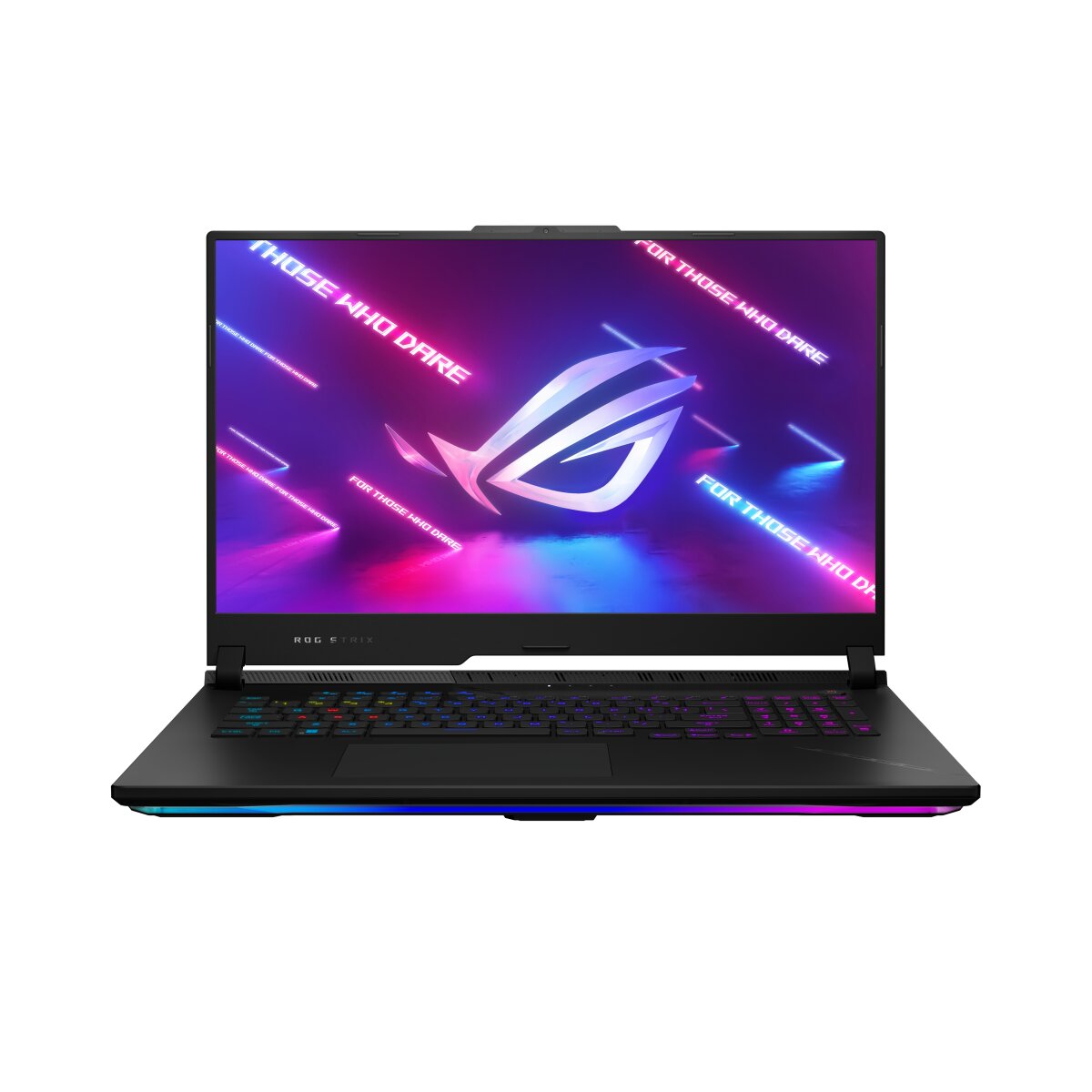



ASUS ROG Strix SCAR 17 G733PZ-LL034W laptop accommodates DDR5-SDRAM memory upgrades via dual SO-DIMM slots. Maximum supported RAM capacity reaches 64 GB. Compatible memory operates at 4800 MHz frequency. Current specifications define upgrade potential for enhanced multitasking and performance capabilities. Memory form factor SO-DIMM ensures compatibility with designated upgrade slots. Existing memory configuration supports substantial expansion within maximum capacity specifications outlined for G733PZ-LL034W model.
Memory Upgrade Specifications
| Specification | Value |
|---|---|
| Memory slots | 2x SO-DIMM |
| Form factor | SO-DIMM |
| Memory type | DDR5-SDRAM |
| Frequency | 4800 MHz |
| Maximum RAM | 64 GB |
| Voltage | 1.1V |
| Number of pins | 262-pin |
| Interface | PC5 |
| PC Speed Rating | PC5-4800 (PC5-38400) |
| Bandwidth | 38.4 GB/s |
| Laptop Release date | 22 March 2023 |
Additional Notes
- The ASUS ROG G733PZ-LL034W contains 2 memory slots operating in dual-channel configuration, which means single-module upgrades will forfeit 50% of memory bandwidth compared to matched-pair installations.
- DDR5-4800 modules operate at JEDEC standard speeds, but actual performance depends on BIOS support for EXPO or AGESA versions; older firmware may throttle to DDR5-4400 or lower, requiring BIOS update verification before upgrade completion.
- The 64 GB ceiling limits upgrade viability to 32 GB SO-DIMMs per slot; availability of DDR5 SO-DIMM modules rated for 32 GB remains constrained in consumer markets, potentially extending sourcing timelines.
- SO-DIMM form factor dictates reduced thermal mass compared to full-size UDIMMs; high-frequency DDR5 modules with integrated heat spreaders may contact internal components or keyboard mechanisms depending on chassis clearance tolerances.
- Warranty coverage for RAM upgrades typically remains intact on ASUS systems when using approved DDR5 specifications; however, third-party modules not meeting published compatibility lists may trigger support denial without technical fault determination.
- Latency performance in gaming workloads may show minimal improvement beyond 32 GB total capacity; migration from lower-capacity existing DDR5 modules yields CPU-to-memory throughput gains but diminishing returns for frame rates when GPU bandwidth remains the primary constraint.