ASUS ROG G733QS-K4016T-GAMING RAM upgrade specifications
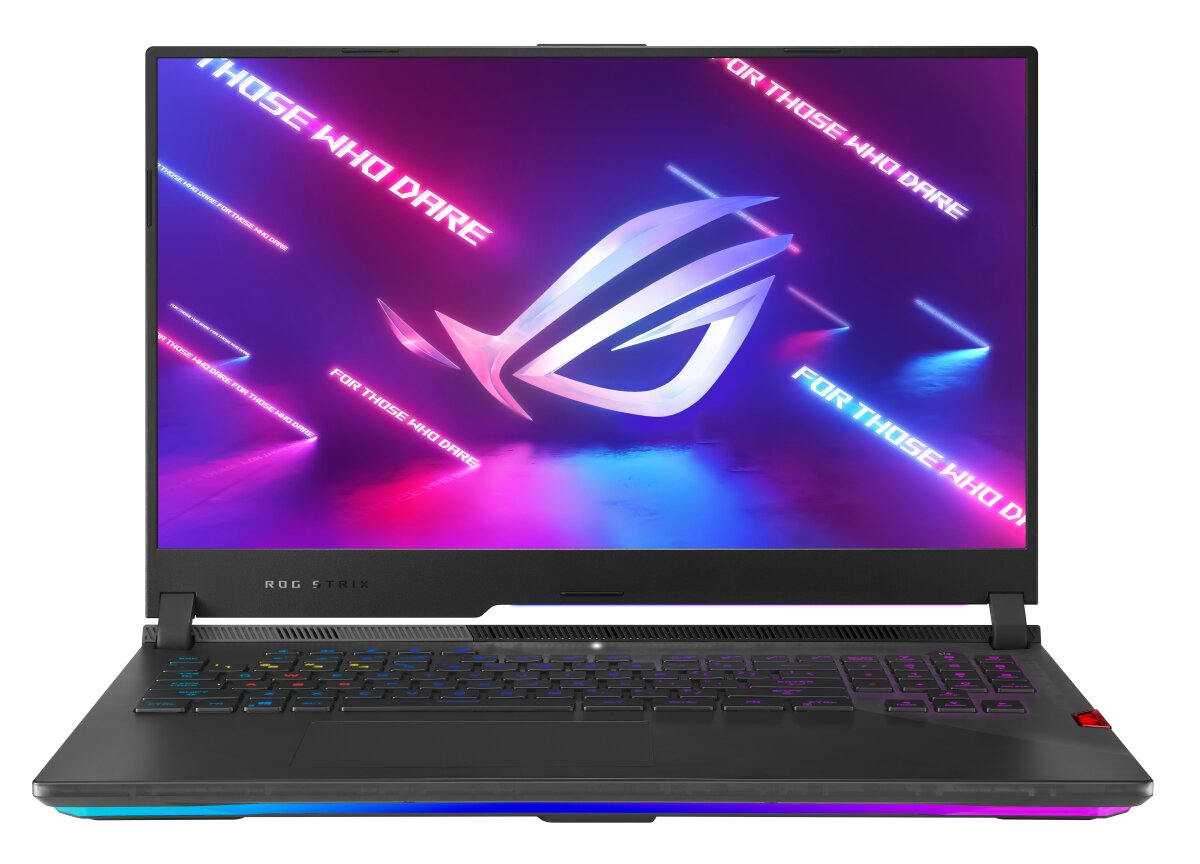


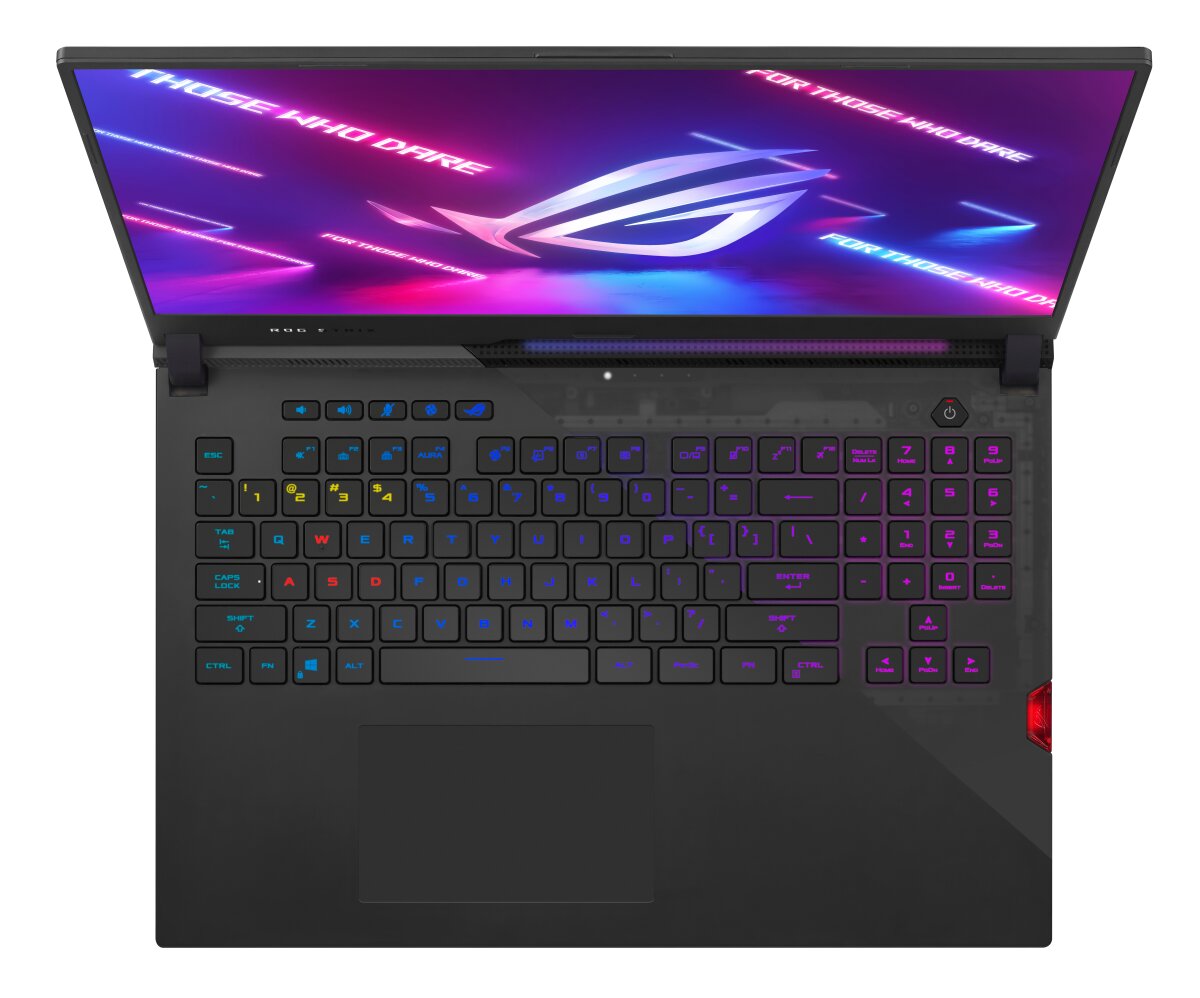
ASUS ROG Strix SCAR 17 G733QS-K4016T-GAMING gaming laptop features DDR4-SDRAM memory upgrade specifications. The system contains 2x SO-DIMM slots supporting maximum RAM capacity of 64 GB. Compatible memory modules operate at 3200 MHz frequency. Upgrade options utilize standard SO-DIMM form factor for compatible DDR4 memory installation. Specifications define supported RAM configurations for this gaming laptop model.
Memory Upgrade Specifications
| Specification | Value |
|---|---|
| Memory slots | 2x SO-DIMM |
| Form factor | SO-DIMM |
| Memory type | DDR4-SDRAM |
| Frequency | 3200 MHz |
| Maximum RAM | 64 GB |
| Voltage | 1.2V |
| Number of pins | 260-pin |
| Interface | PC4 |
| PC Speed Rating | PC4-3200 (PC4-25600) |
| Bandwidth | 25.6 GB/s |
| Laptop Release date | 26 September 2021 |
Additional Notes
- The 3200 MHz frequency specification represents the maximum officially supported speed, though the AMD Ryzen 9 5900HX processor commonly found in ROG Strix SCAR 17 models may support higher-frequency modules that will downclock to 3200 MHz automatically.
- Dual-channel memory architecture in the ASUS ROG G733QS-K4016T-GAMING requires matched module pairs to maintain optimal bandwidth, as mismatched capacities or timings force the controller to operate both channels at the lowest common specification.
- The 64 GB maximum capacity constraint stems from chipset memory controller limitations rather than physical slot restrictions, meaning module density per slot cannot exceed 32 GB regardless of market availability.
- SO-DIMM form factor modules rated at 1.2V standard voltage are required, as higher-voltage desktop UDIMM modules are physically incompatible and performance-oriented XMP profiles may require BIOS adjustments for stability.
- Both memory slots are typically user-accessible through a bottom panel, though certain ROG models implement single-module soldered configurations that would limit upgrades to one available SO-DIMM slot rather than two.
- CAS latency timings impact real-world application responsiveness independent of frequency, with CL22 modules at 3200 MHz delivering approximately equivalent latency to CL18 modules at lower speeds.
- Upgrading from factory-installed memory maintains warranty coverage under most regional regulations, though physical damage during installation or use of incompatible specifications may void repair obligations.
- The DDR4 generation lacks forward compatibility with newer DDR5 modules due to different notch positioning and voltage requirements, establishing a definitive upgrade ceiling for this platform.