ASUS ROG G733QS-K4141T RAM upgrade specifications
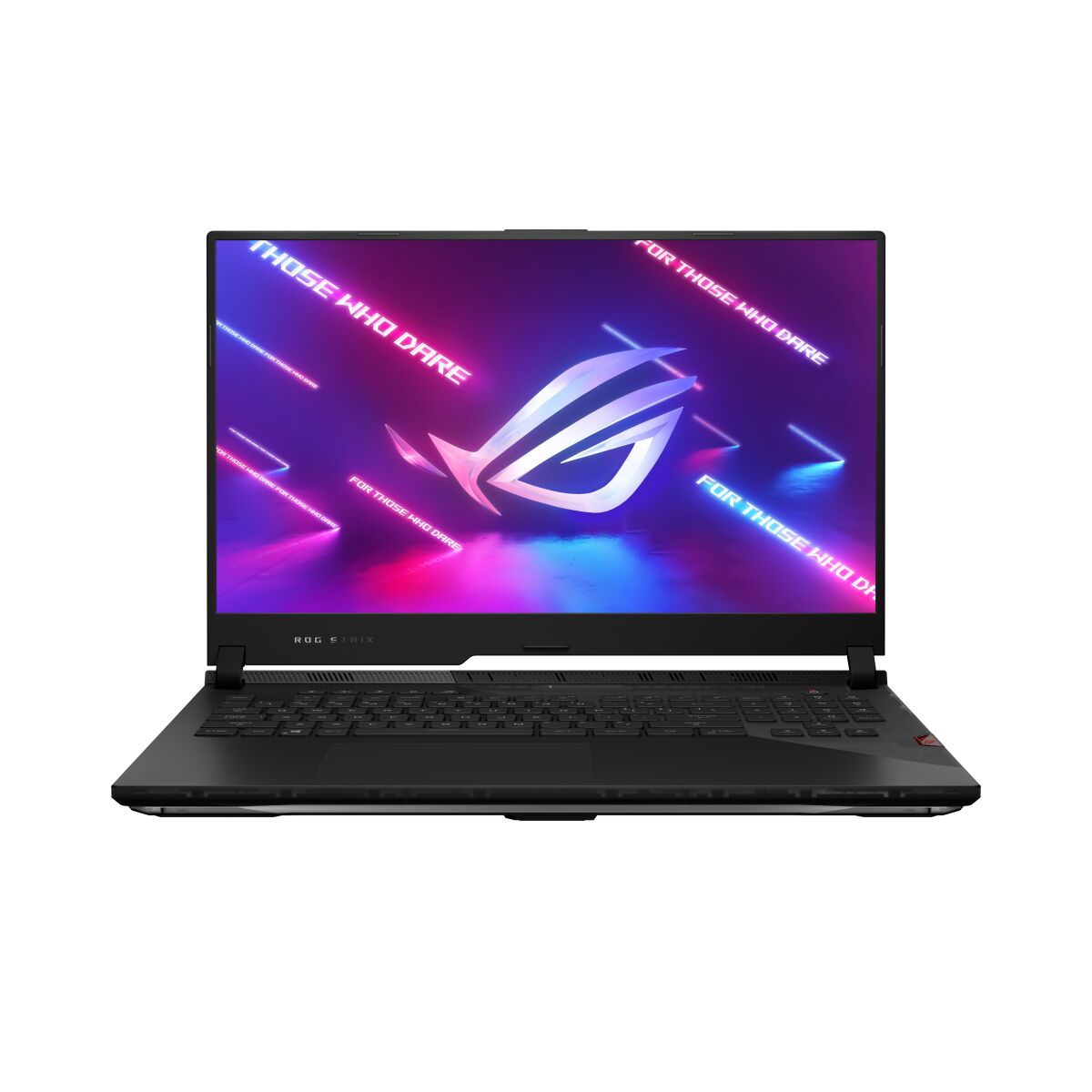
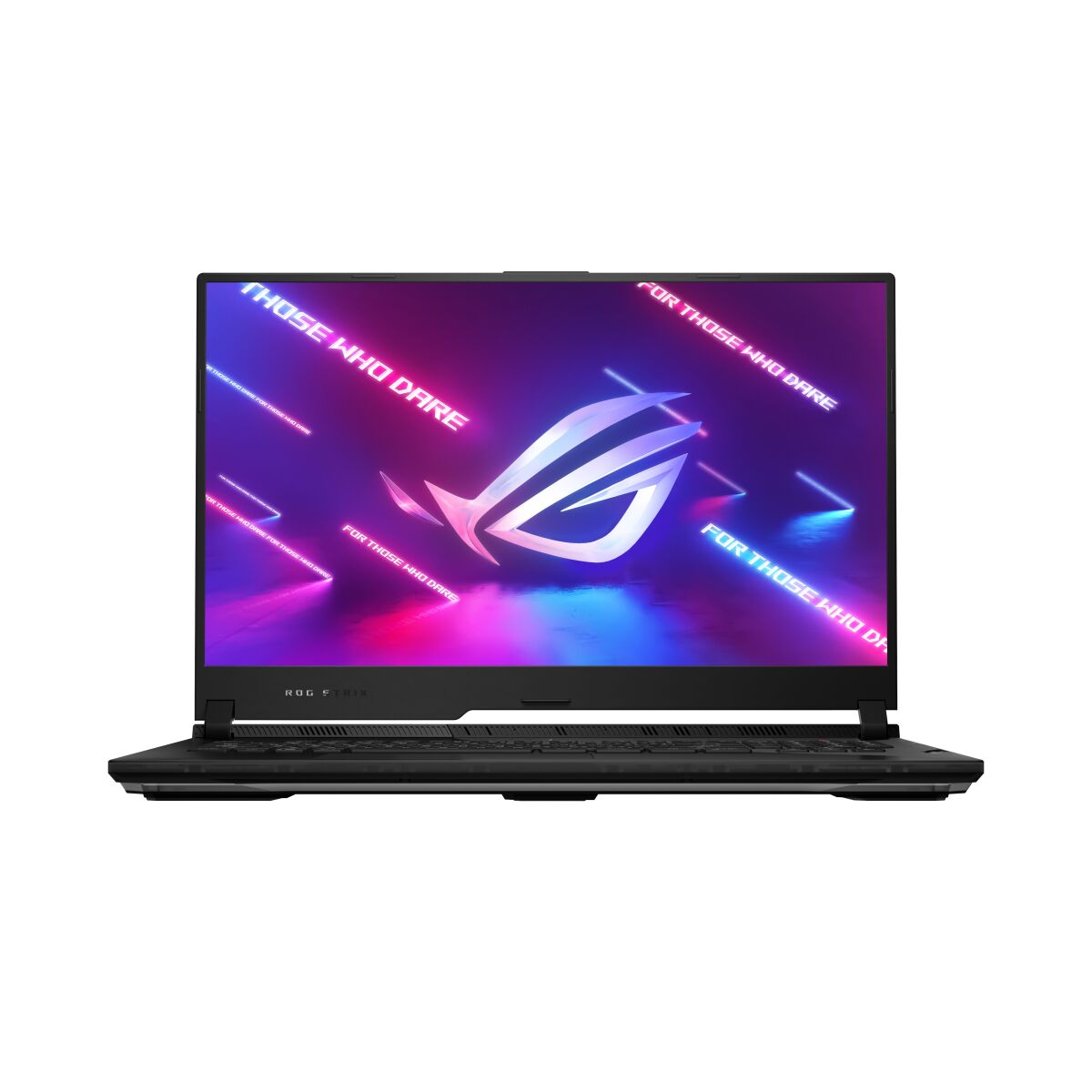
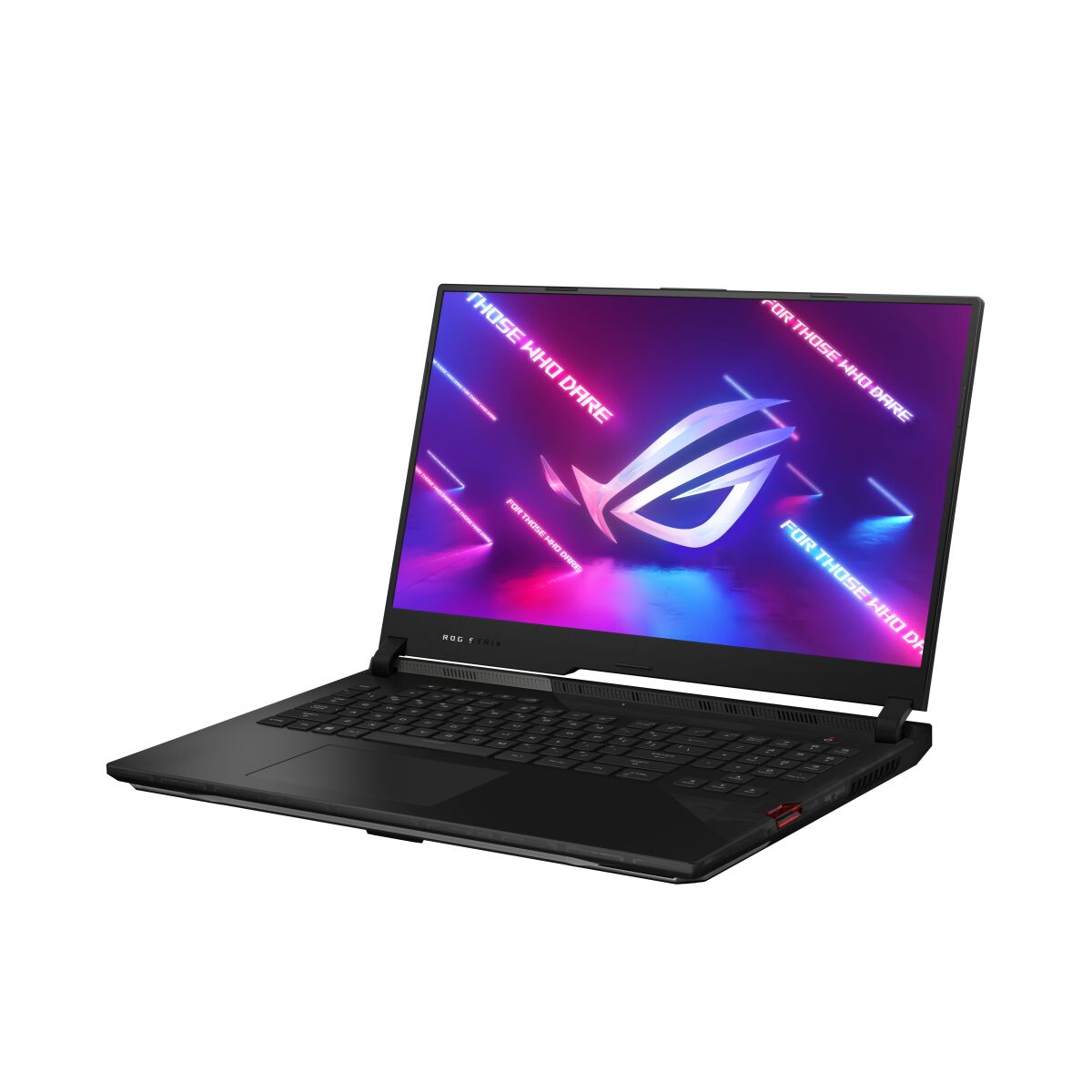
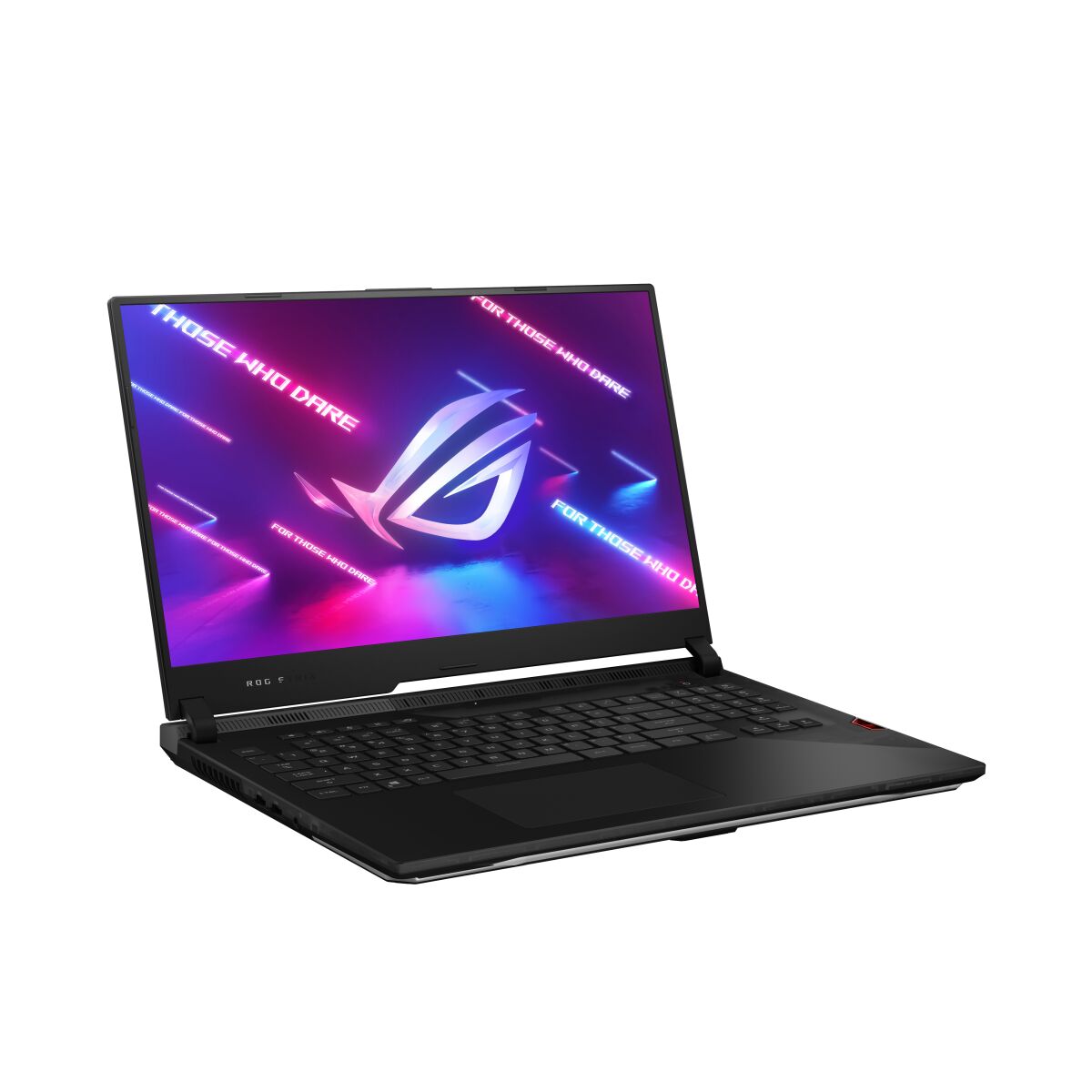
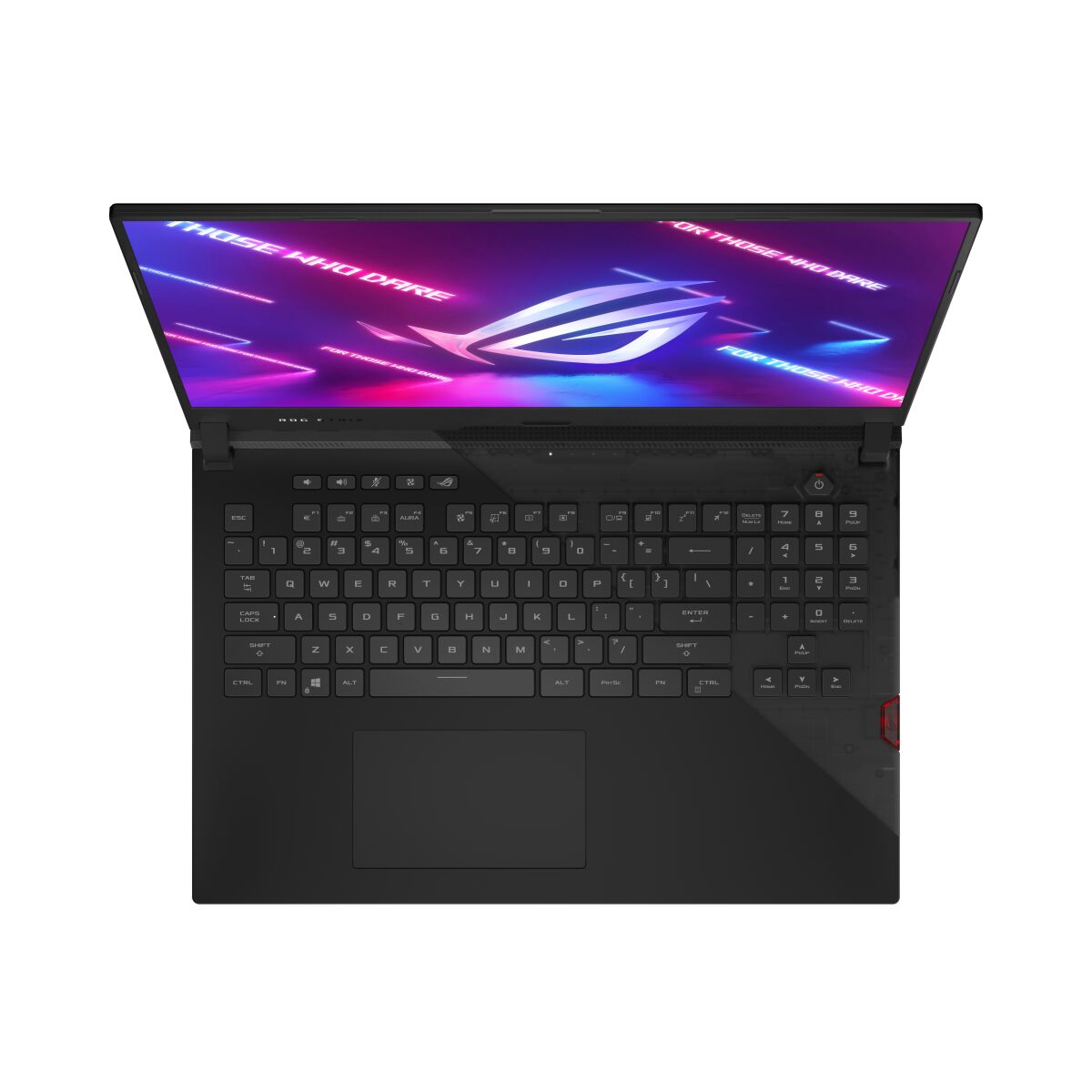
ASUS ROG Strix SCAR 17 model G733QS-K4141T features DDR4-SDRAM memory upgrade capabilities with 2x SO-DIMM slots supporting maximum RAM capacity of 64 GB. Compatible memory operates at 3200 MHz frequency and utilizes SO-DIMM form factor. Specifications indicate dual-slot architecture enabling memory expansion for enhanced system performance on gaming and professional workstation applications.
Memory Upgrade Specifications
| Specification | Value |
|---|---|
| Memory slots | 2x SO-DIMM |
| Form factor | SO-DIMM |
| Memory type | DDR4-SDRAM |
| Frequency | 3200 MHz |
| Maximum RAM | 64 GB |
| Voltage | 1.2V |
| Number of pins | 260-pin |
| Interface | PC4 |
| PC Speed Rating | PC4-3200 (PC4-25600) |
| Bandwidth | 25.6 GB/s |
| Laptop Release date | 28 February 2021 |
Additional Notes
- The ASUS ROG G733QS-K4141T accommodates DDR4-3200 modules exclusively; DDR5 or faster DDR4 variants will not function due to electrical and physical incompatibility with the SO-DIMM slot architecture.
- Upgrading to the 64 GB maximum requires 2x32 GB SO-DIMM modules; single-module installations or mismatched capacities will operate but forfeit dual-channel bandwidth, reducing memory throughput by approximately 50 percent.
- DDR4-3200 operates at 1.2 volts; modules rated above this voltage specification risk hardware damage and void thermal management assumptions built into the system BIOS, potentially triggering protective shutdown routines during sustained workloads.
- SO-DIMM slots in this generation occupy confined vertical space beneath the palmrest assembly; installation clearance is minimal, necessitating removal of the keyboard deck to access memory without component contact or flex damage during insertion.
- Memory population affects latency symmetry; upgrading from single to dual-module configuration shifts the system from single-channel to dual-channel operation, increasing effective bandwidth from approximately 51 GB/s to 102 GB/s for applications capable of parallel memory access patterns.
- Third-party DDR4 modules featuring heat spreaders or non-standard profiles may contact internal structural reinforcement ribs, preventing full seating; compatibility verification against SO-DIMM form factor constraints is necessary before purchase.
- Warranty coverage for memory upgrades depends on BIOS-level module validation; incompatible or counterfeit DDR4 modules triggering system instability may be classified as user-induced failures, excluding them from manufacturer support.