ASUS ROG G733QS-K4249R RAM upgrade specifications




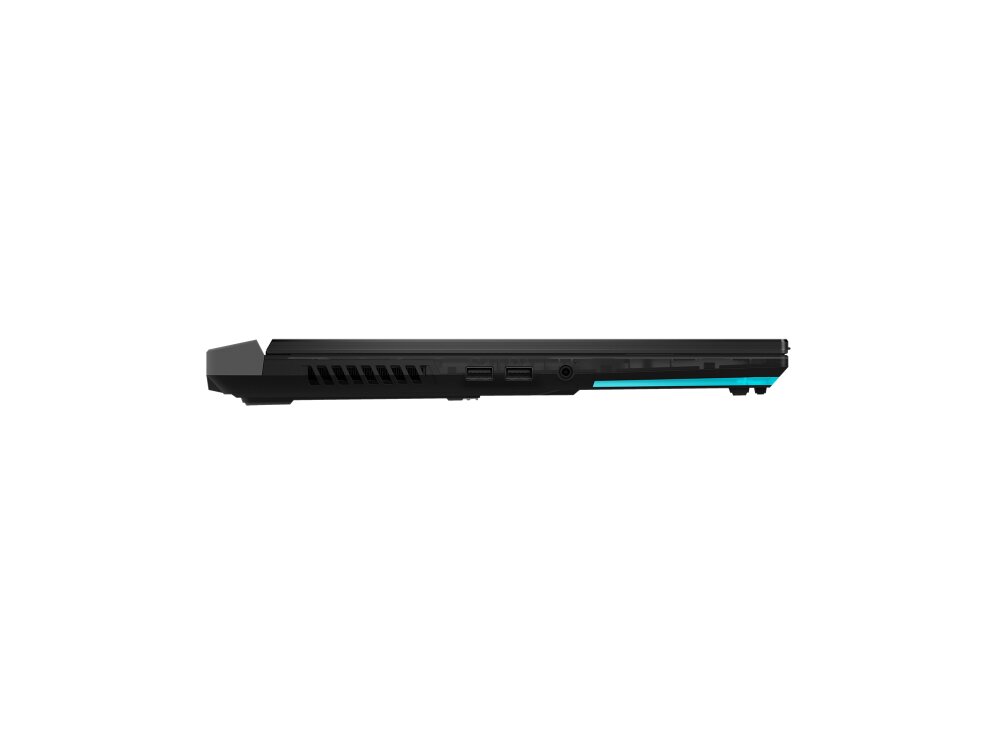
The ASUS ROG Strix SCAR 17 G733QS-K4249R features DDR4-SDRAM memory upgrade specifications with two SO-DIMM slots supporting a maximum RAM capacity of 64 GB. Compatible memory modules operate at 3200 MHz frequency. The laptop accepts SO-DIMM form factor upgrades, allowing users to expand memory capacity by replacing or adding compatible modules to the available slots. Maximum supported memory specifications enable significant performance enhancement for multitasking and resource-intensive applications.
Memory Upgrade Specifications
| Specification | Value |
|---|---|
| Memory slots | 2x SO-DIMM |
| Form factor | SO-DIMM |
| Memory type | DDR4-SDRAM |
| Frequency | 3200 MHz |
| Maximum RAM | 64 GB |
| Voltage | 1.2V |
| Number of pins | 260-pin |
| Interface | PC4 |
| PC Speed Rating | PC4-3200 (PC4-25600) |
| Bandwidth | 25.6 GB/s |
| Laptop Release date | 28 July 2021 |
Additional Notes
- The ASUS ROG G733QS-K4249R contains 2 SO-DIMM slots operating as a dual-channel configuration, which means both slots must be populated to achieve maximum memory bandwidth for gaming and content creation workloads.
- DDR4-3200 memory operates at a fixed frequency ceiling; installing faster DDR4 modules will downclock to 3200 MHz due to JEDEC profile limitations on this platform, making speed premiums for higher-frequency kits economically inefficient.
- The 64 GB capacity ceiling is determined by the 2-slot architecture and DDR4 SODIMM density constraints; single 32 GB modules are required to reach maximum, yet availability and pricing of 32 GB DDR4 SO-DIMMs remain limited compared to standard desktop equivalents.
- SO-DIMM form factor requires laptop-specific memory modules; attempting to install standard UDIMM desktop RAM will result in physical misalignment and component damage due to notch incompatibility.
- Upgrading from the factory configuration involves removing the bottom service panel; this action typically voids hardware warranties unless performed through authorized service channels, depending on ASUS regional warranty terms.
- Latency specifications (CAS latency) become the secondary performance differentiator when frequency remains fixed at 3200 MHz; CAS 16 and CAS 18 modules will produce measurable differences in frame rendering consistency, particularly in CPU-bound scenarios.
- Installing mismatched memory ranks or module types may trigger JEDEC compatibility issues, forcing the BIOS to operate in single-channel mode or reducing effective capacity recognition, despite both slots accepting the physical form factor.