ASUS ROG G733QS-K4281T-BE RAM upgrade specifications

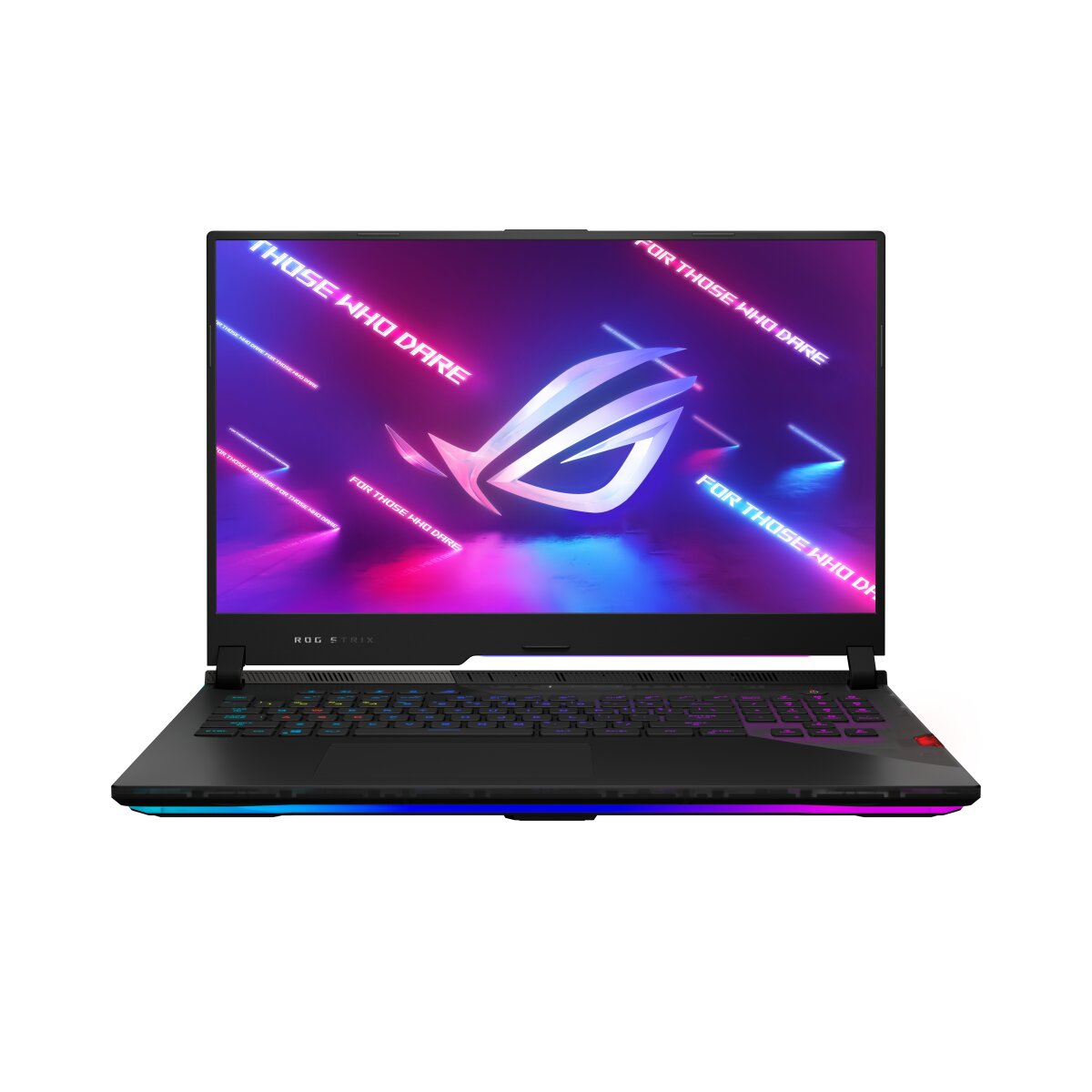


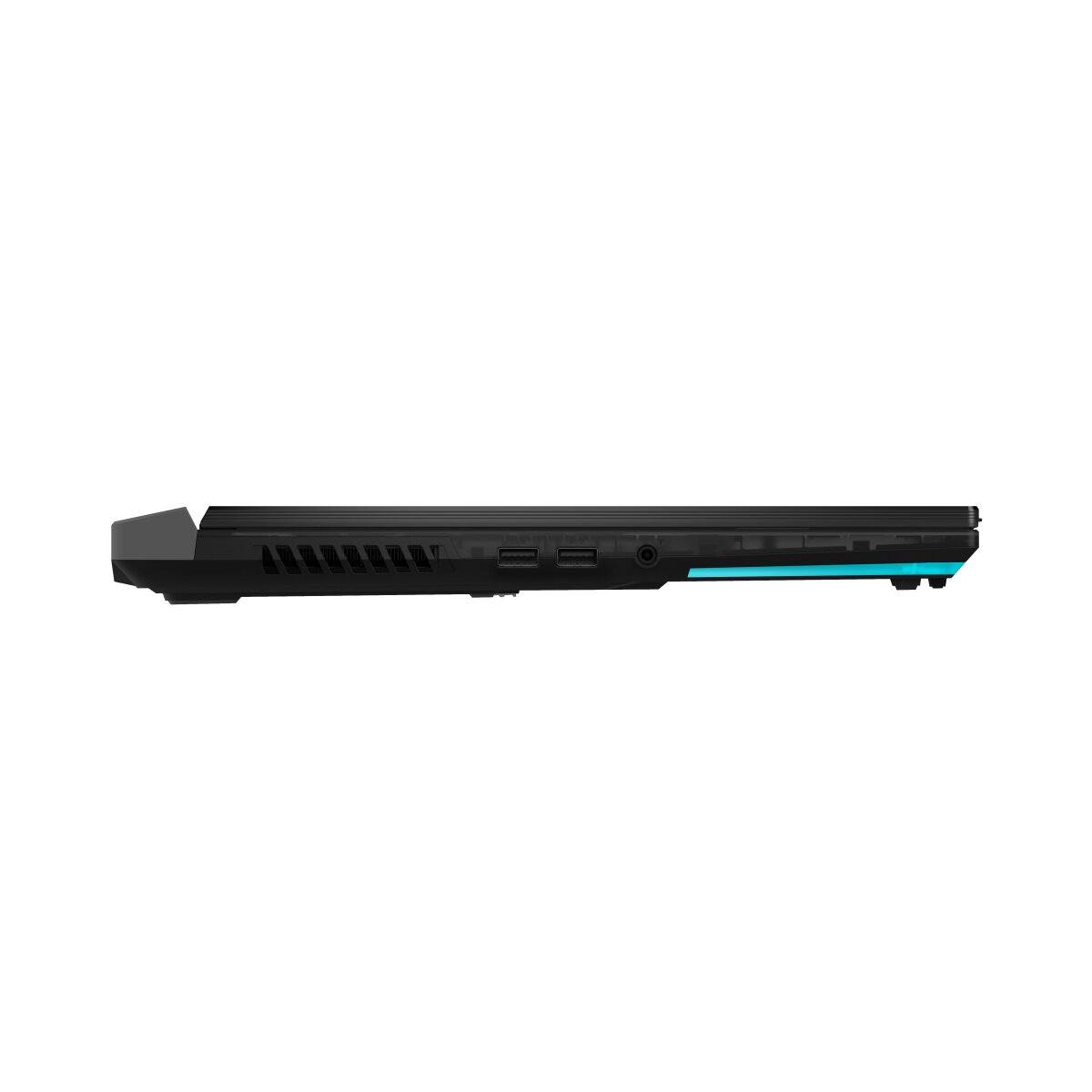
ASUS ROG Strix SCAR 17 G733QS-K4281T-BE supports DDR4-SDRAM memory upgrades with 2x SO-DIMM slots. Maximum RAM capacity reaches 64 GB through compatible upgrades. Memory specifications include 3200 MHz frequency and SO-DIMM form factor. RAM upgrade configurations enable users to expand from factory specifications to maximum supported capacity of 64 GB total.
Memory Upgrade Specifications
| Specification | Value |
|---|---|
| Memory slots | 2x SO-DIMM |
| Form factor | SO-DIMM |
| Memory type | DDR4-SDRAM |
| Frequency | 3200 MHz |
| Maximum RAM | 64 GB |
| Voltage | 1.2V |
| Number of pins | 260-pin |
| Interface | PC4 |
| PC Speed Rating | PC4-3200 (PC4-25600) |
| Bandwidth | 25.6 GB/s |
| Laptop Release date | 07 October 2021 |
Additional Notes
- The SO-DIMM form factor limits this ASUS ROG G733QS-K4281T-BE to laptop-specific memory modules, preventing use of standard desktop DIMM memory which is physically incompatible despite sharing DDR4 technology.
- DDR4-3200 represents the native JEDEC specification speed, meaning modules rated above 3200 MHz will require XMP profile support from the system BIOS to achieve advertised speeds beyond this baseline.
- The 2 slot configuration means capacity upgrades require full replacement of existing modules rather than simple addition, potentially wasting functional memory during expansion.
- The 64 GB ceiling indicates chipset or BIOS limitations that prevent recognition of higher density modules, making 32 GB SO-DIMMs the maximum viable option per slot regardless of market availability of larger capacities.
- 3200 MHz operation on DDR4 creates a memory bandwidth ceiling of 25.6 GB/s per channel, which may bottleneck GPU-intensive workloads if the system employs single-channel population.
- SO-DIMM installation in gaming laptops typically requires bottom panel removal, which may void warranty seals depending on regional consumer protection laws and manufacturer policies.
- Mixing memory modules with different latency timings will force all modules to operate at the slowest common denominator, potentially degrading performance even when frequency matches.
- The DDR4 specification requires 1.2V operation, meaning modules designed for higher voltages risk instability or outright incompatibility with laptop power delivery systems optimized for thermal constraints.
- Dual-channel configuration depends on symmetric population, so unequal capacity across the 2 slots will limit dual-channel bandwidth to twice the smaller module's capacity.