ASUS ROG G733QS-XS98Q RAM upgrade specifications
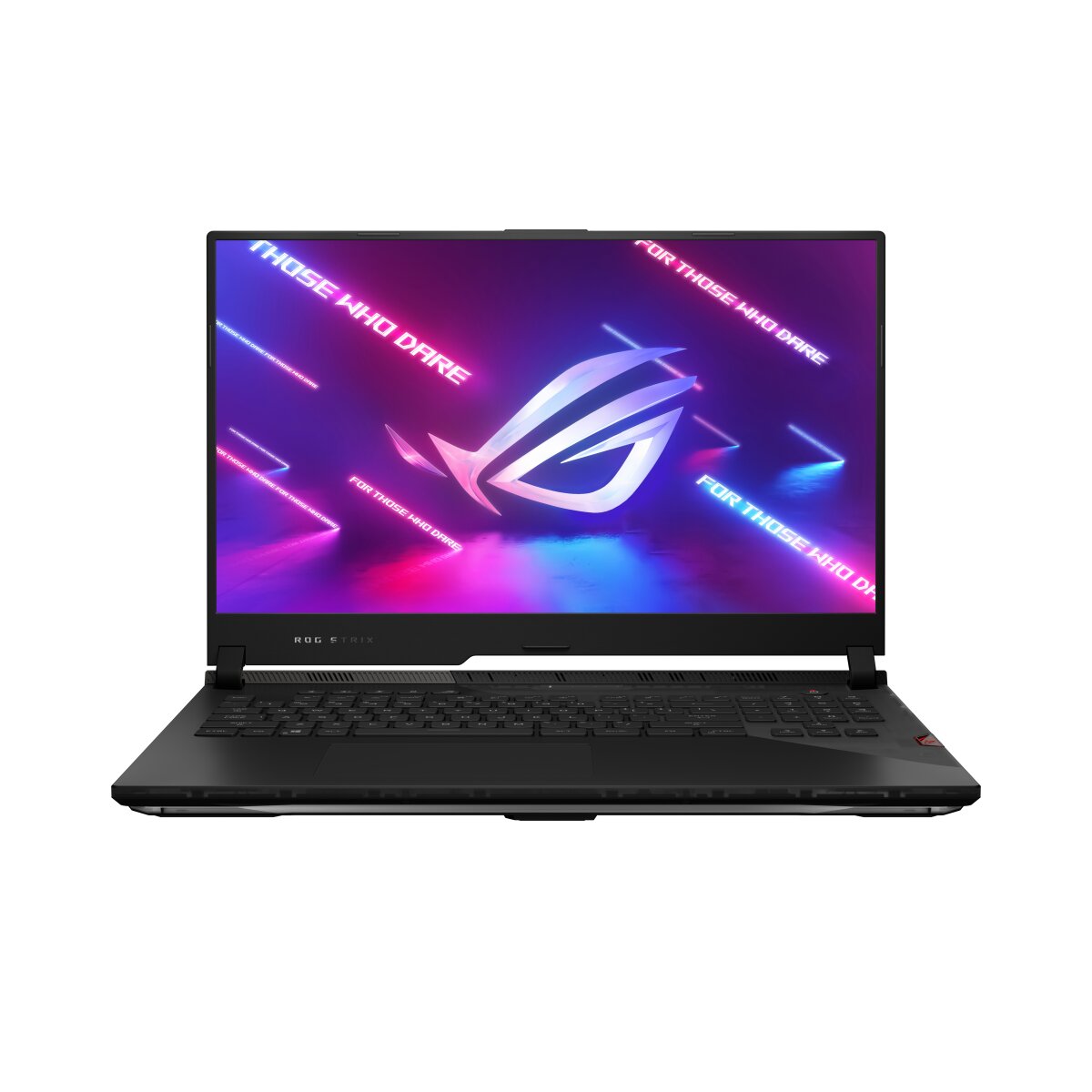
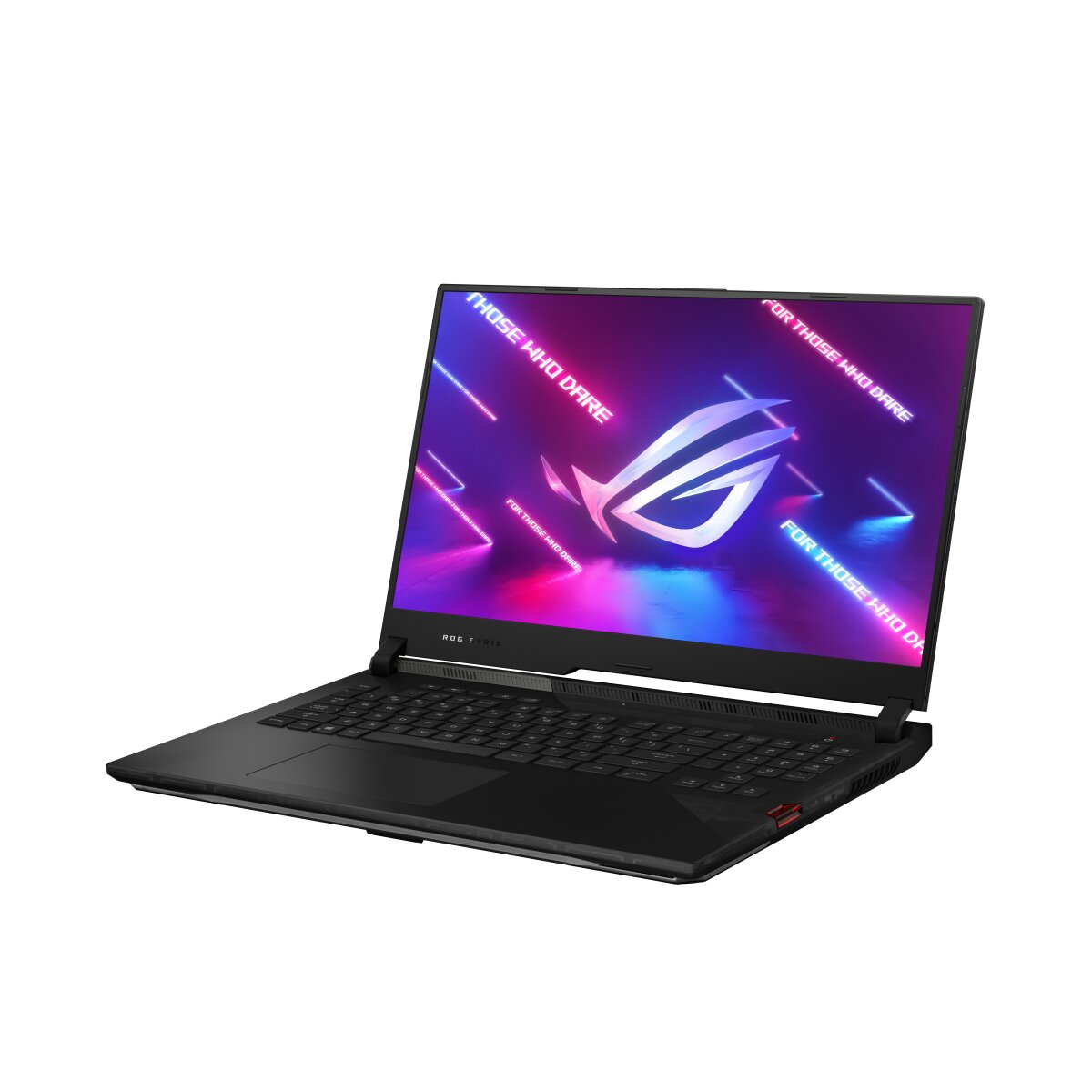
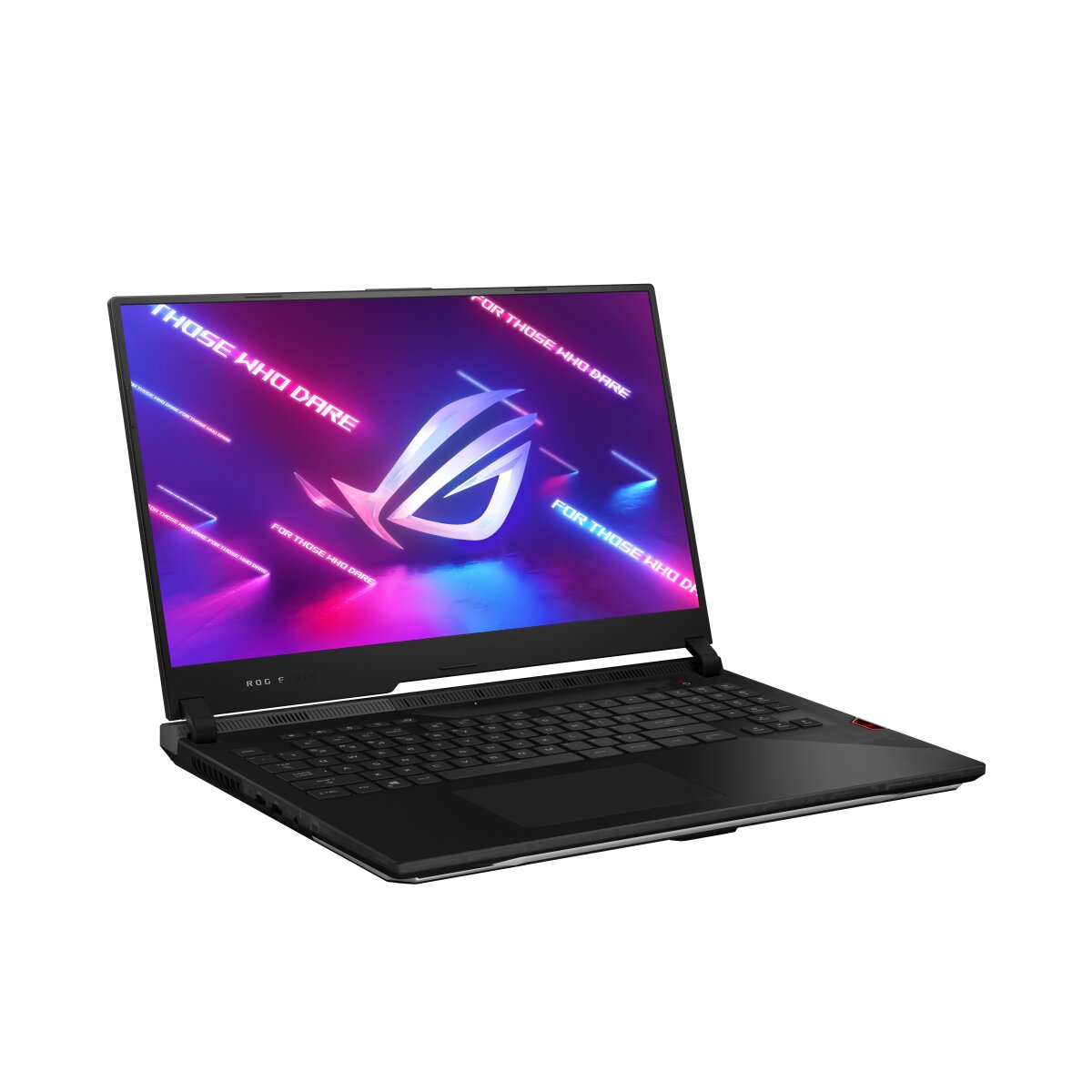
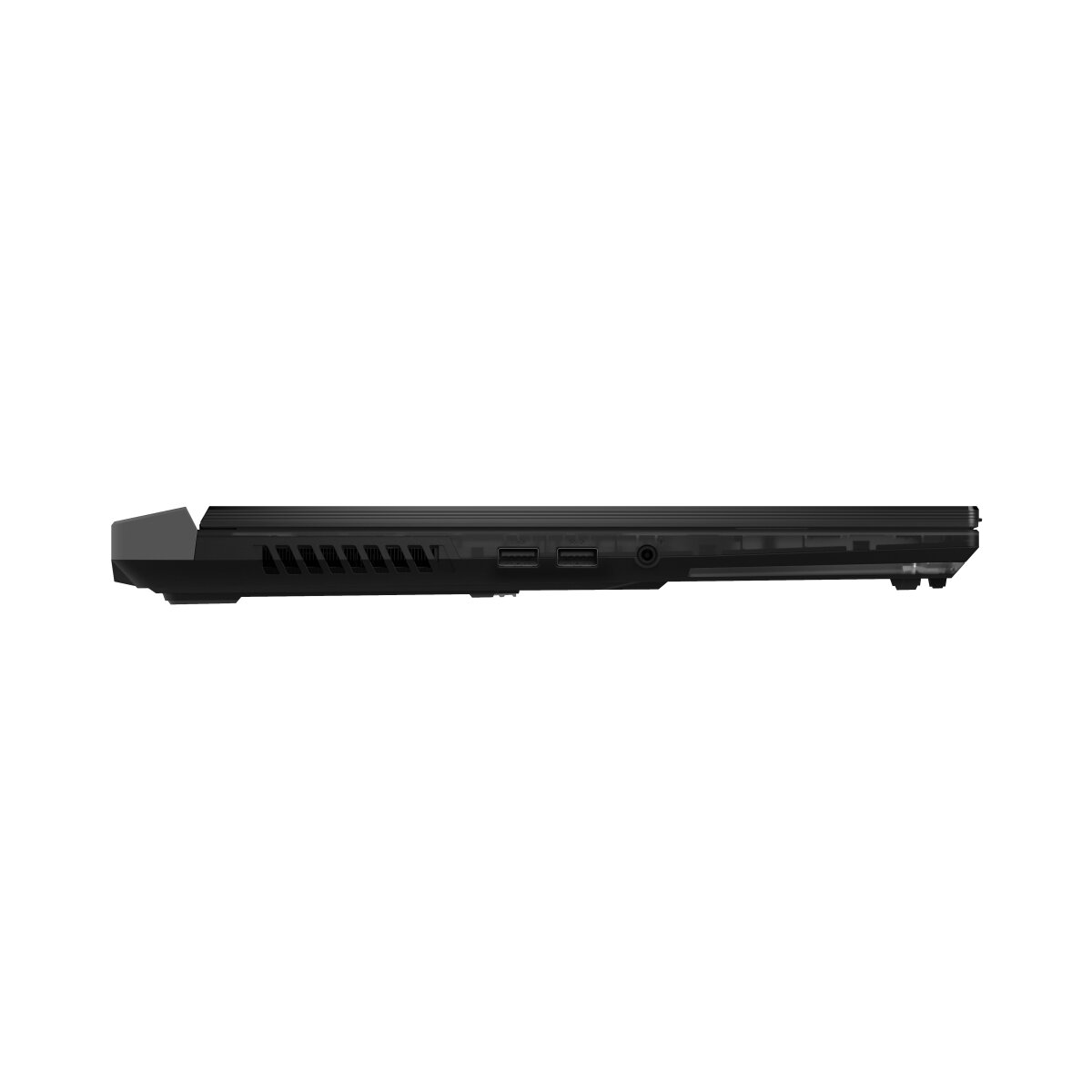
The ASUS ROG Strix SCAR 17 G733QS-XS98Q features DDR4-SDRAM memory with two SO-DIMM slots supporting maximum upgrade capacity of 64 GB. Compatible memory modules operate at 3200 MHz frequency. The laptop specifications indicate two upgradeable SO-DIMM slots, allowing users to expand RAM capacity beyond the factory configuration. DDR4-SDRAM modules with SO-DIMM form factor are required for compatibility with this gaming laptop series.
Memory Upgrade Specifications
| Specification | Value |
|---|---|
| Memory slots | 2x SO-DIMM |
| Form factor | SO-DIMM |
| Memory type | DDR4-SDRAM |
| Frequency | 3200 MHz |
| Maximum RAM | 64 GB |
| Voltage | 1.2V |
| Number of pins | 260-pin |
| Interface | PC4 |
| PC Speed Rating | PC4-3200 (PC4-25600) |
| Bandwidth | 25.6 GB/s |
| Laptop Release date | 07 April 2021 |
Additional Notes
- The ASUS ROG G733QS-XS98Q contains 2 SO-DIMM slots, meaning both slots must be populated to achieve the 64 GB maximum capacity. Removing a single module will result in single-channel memory configuration, reducing effective bandwidth by approximately 50 percent and degrading gaming and content creation performance.
- DDR4-3200 MHz represents the rated frequency; actual performance depends on BIOS settings and CPU support. Mixing modules with different latency profiles (CAS latencies) will force the system to operate at the highest latency value across both slots, potentially negating speed gains from higher-frequency upgrades.
- SO-DIMM form factor is physically compact but proprietary to laptops. This restricts upgrade options to laptop-specific memory modules and prevents repurposing desktop DDR4 modules, narrowing vendor compatibility to manufacturers producing mobile-grade memory.
- The 64 GB ceiling applies only when both slots receive 32 GB modules. Availability of 32 GB SO-DIMM units remains limited compared to 16 GB variants, potentially increasing cost per gigabyte and extending procurement timelines.
- Upgrading beyond factory capacity (should the system ship with less than 64 GB) requires removing existing modules entirely; there is no additive upgrade path with existing memory retained. Original modules must be stored or repurposed separately.