ASUS ROG G733QSA-XB99 RAM upgrade specifications
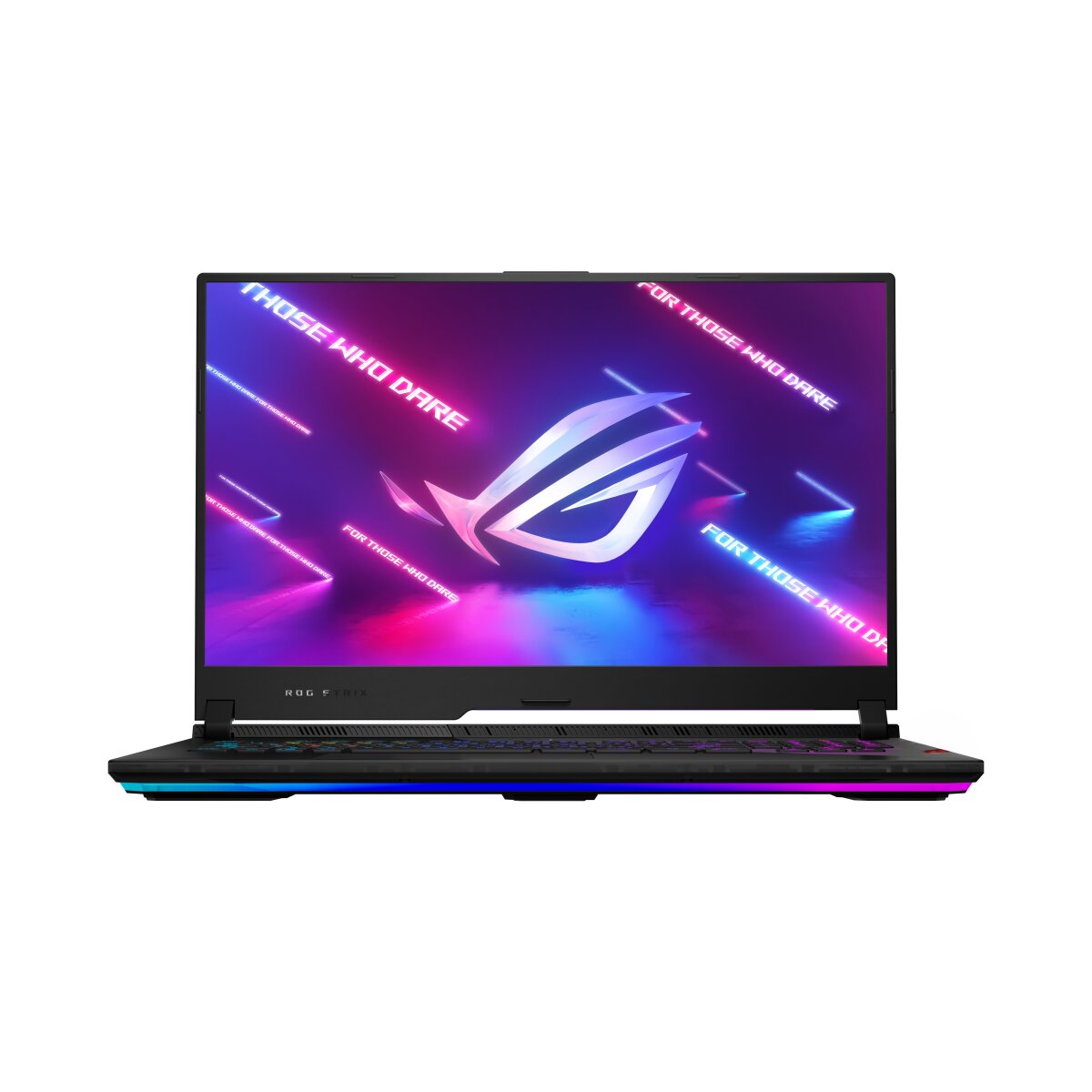
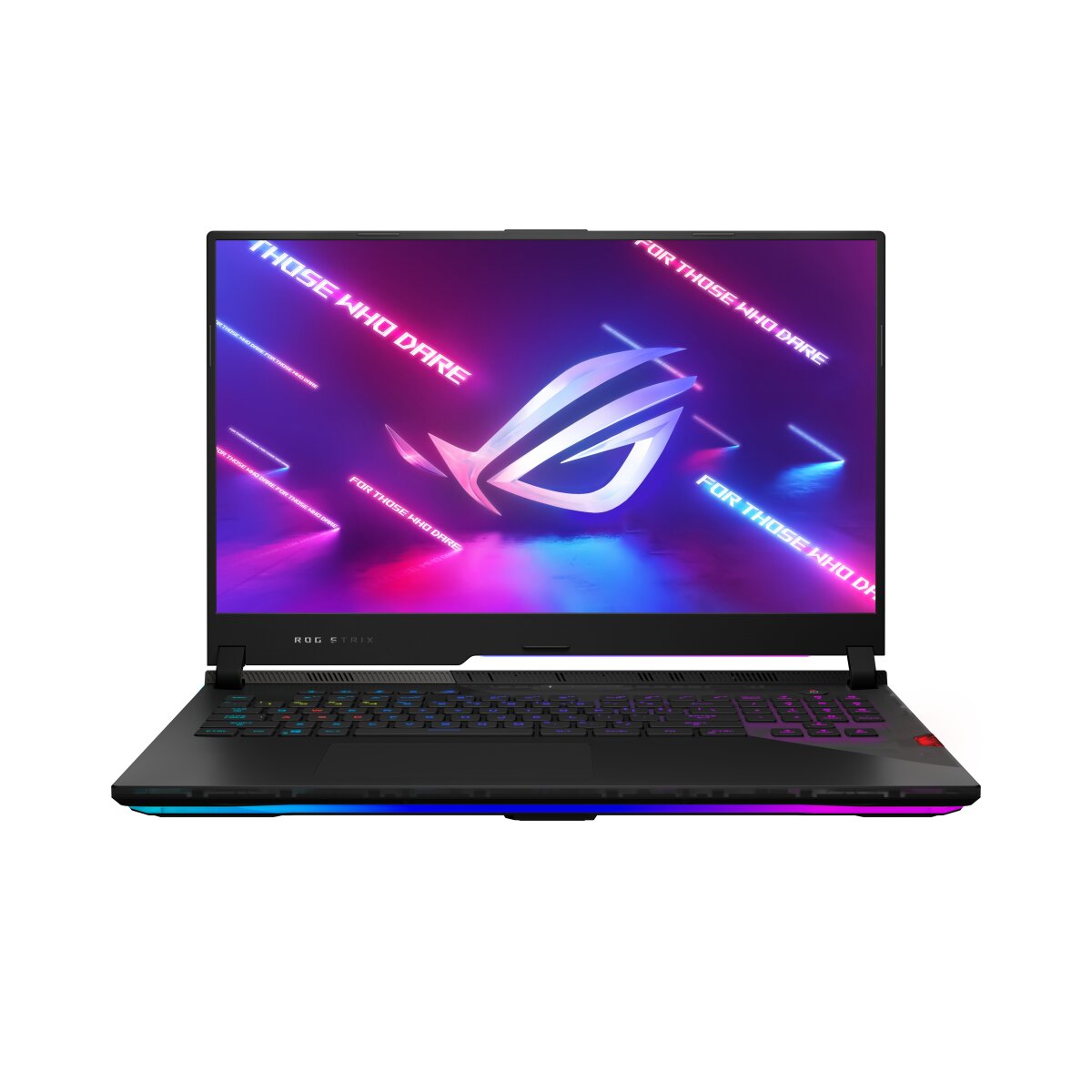
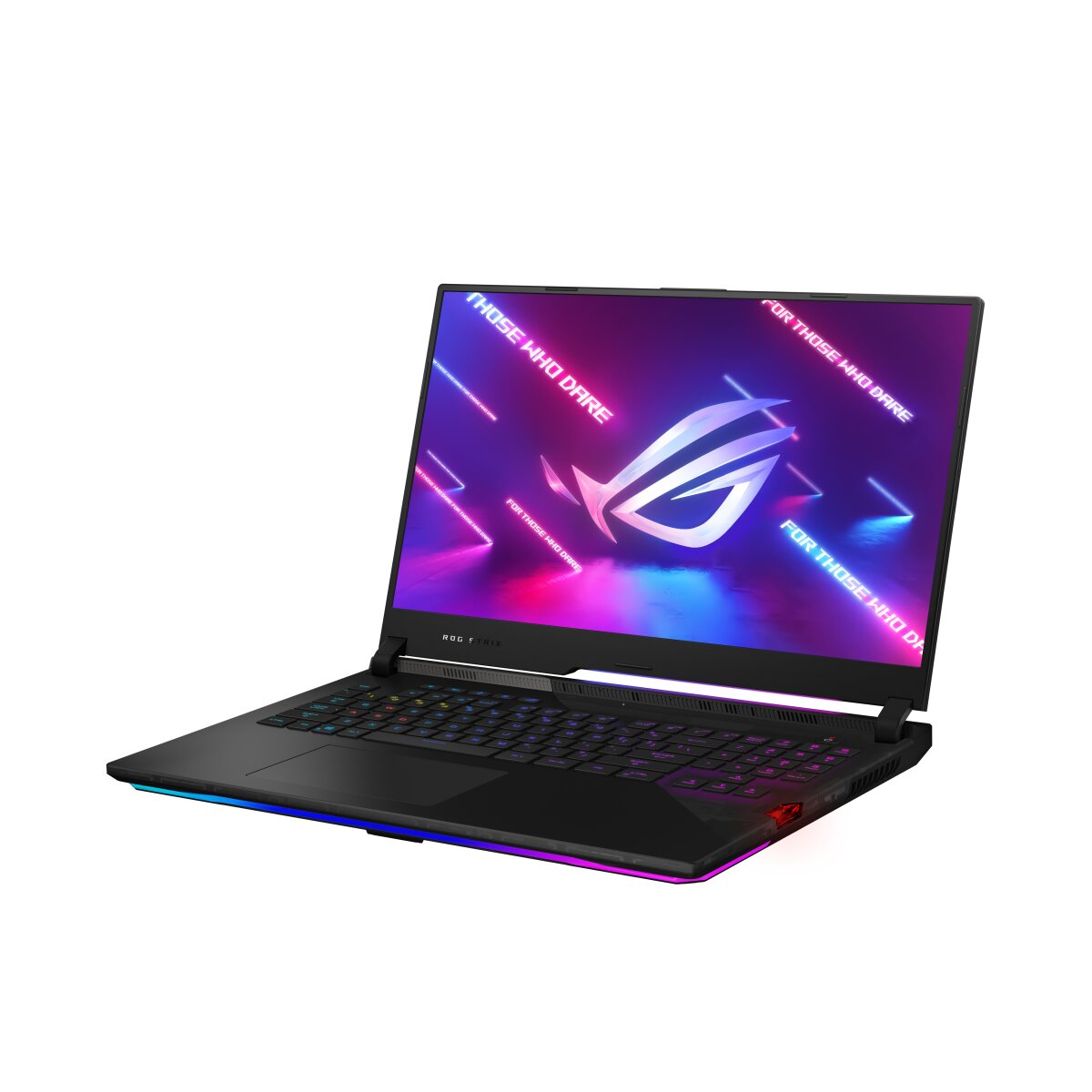
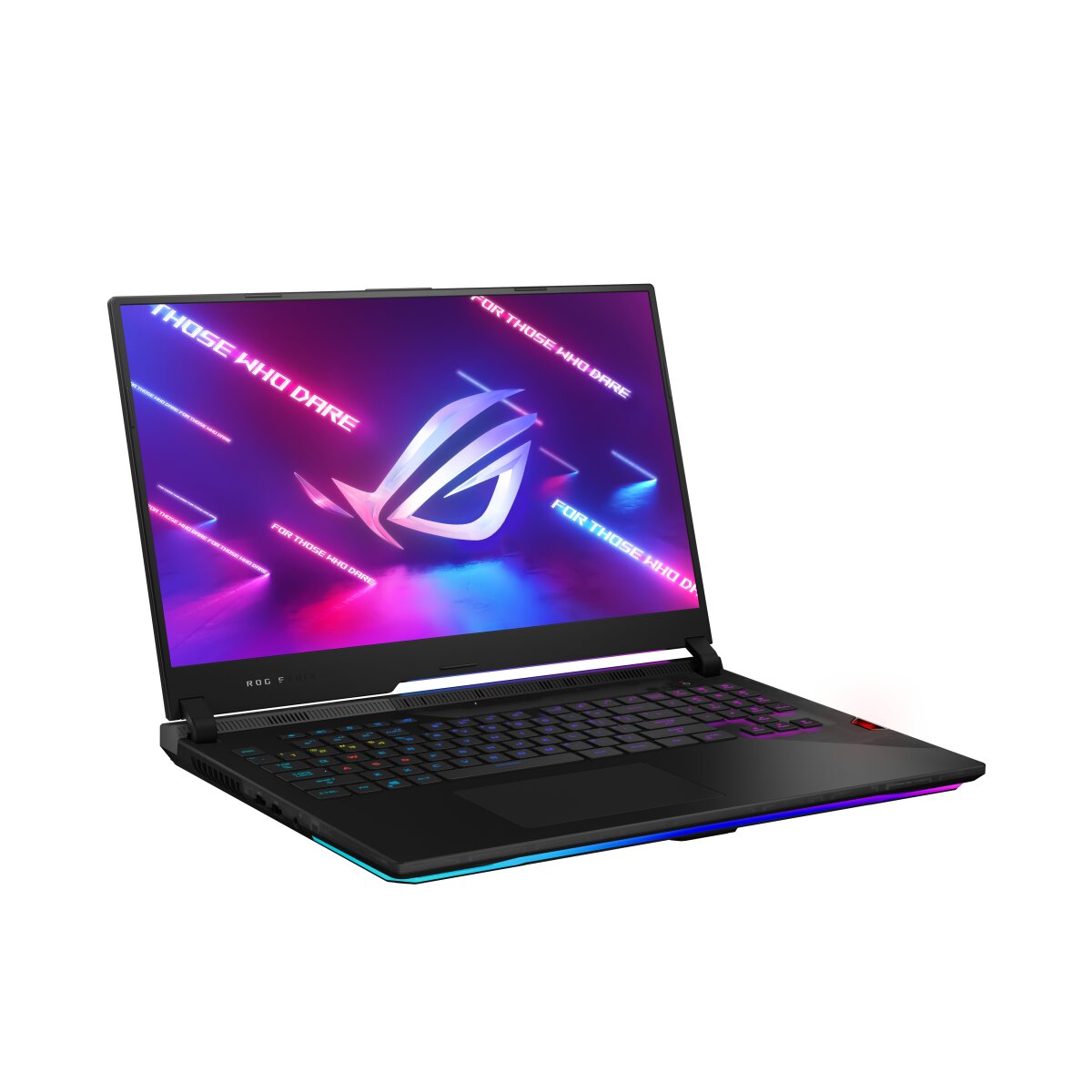
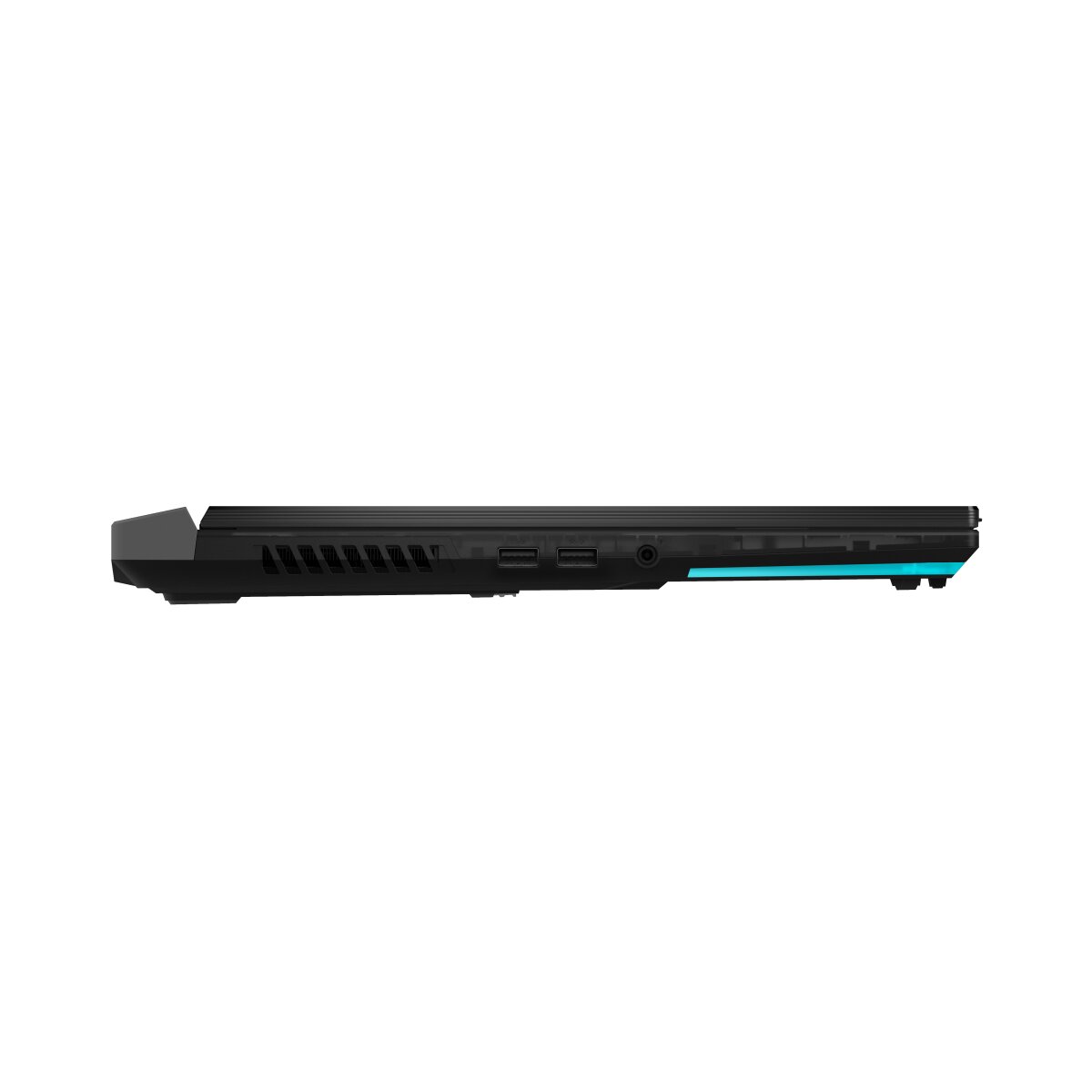
The ASUS ROG Strix SCAR 17 G733QSA-XB99 features DDR4-SDRAM memory with 2x SO-DIMM slots supporting maximum capacity of 64 GB. The upgrade specifications include DDR4-3200 MHz frequency support. Compatible memory modules must use the SO-DIMM form factor to function with this laptop model. The upgrade configuration allows installation of matching pairs to achieve the maximum RAM capacity of 64 GB total.
Memory Upgrade Specifications
| Specification | Value |
|---|---|
| Memory slots | 2x SO-DIMM |
| Form factor | SO-DIMM |
| Memory type | DDR4-SDRAM |
| Frequency | 3200 MHz |
| Maximum RAM | 64 GB |
| Voltage | 1.2V |
| Number of pins | 260-pin |
| Interface | PC4 |
| PC Speed Rating | PC4-3200 (PC4-25600) |
| Bandwidth | 25.6 GB/s |
| Laptop Release date | 14 December 2021 |
Additional Notes
- The ASUS ROG G733QSA-XB99 utilizes SO-DIMM modules rather than standard DIMMs, which limits replacement options to laptop-specific memory configurations and typically results in higher cost per gigabyte compared to desktop equivalents.
- The 64 GB ceiling translates to a maximum configuration of 2x 32 GB modules, as exceeding single-module density beyond 32 GB is not supported by the installed memory controller architecture.
- DDR4-3200 represents the validated speed threshold, meaning modules rated at higher frequencies such as 3600 MHz or 4000 MHz will downclock to 3200 MHz operation, offering no performance benefit despite premium pricing.
- Dual-channel operation requires matched module pairs in both populated slots to achieve maximum bandwidth of 51.2 GB/s, whereas single-module configurations or mismatched capacities will force single-channel mode with halved throughput.
- The 2-slot limitation prevents incremental capacity expansion beyond the initial installation, necessitating full module replacement when upgrading from factory configurations rather than additive slot population.
- Non-ECC unbuffered modules are required for compatibility, as registered or error-correcting memory types will either fail POST or operate with degraded stability in this consumer-grade platform.
- Voltage specification must remain at the JEDEC standard 1.2V for DDR4-3200, as higher-voltage enthusiast modules designed for overclocking may trigger thermal throttling in the confined laptop chassis or void thermal design assumptions.
- Module height constraints typical to laptop installations restrict compatibility to standard-profile SO-DIMMs, excluding any modules with extended heat spreaders or non-standard PCB dimensions that exceed JEDEC specifications.
- Mixing modules from different manufacturers or production batches increases likelihood of timing incompatibilities that force the memory controller to apply conservative SPD profiles, potentially reducing effective frequency below the rated 3200 MHz.