ASUS ROG G733QSA-XS99 RAM upgrade specifications
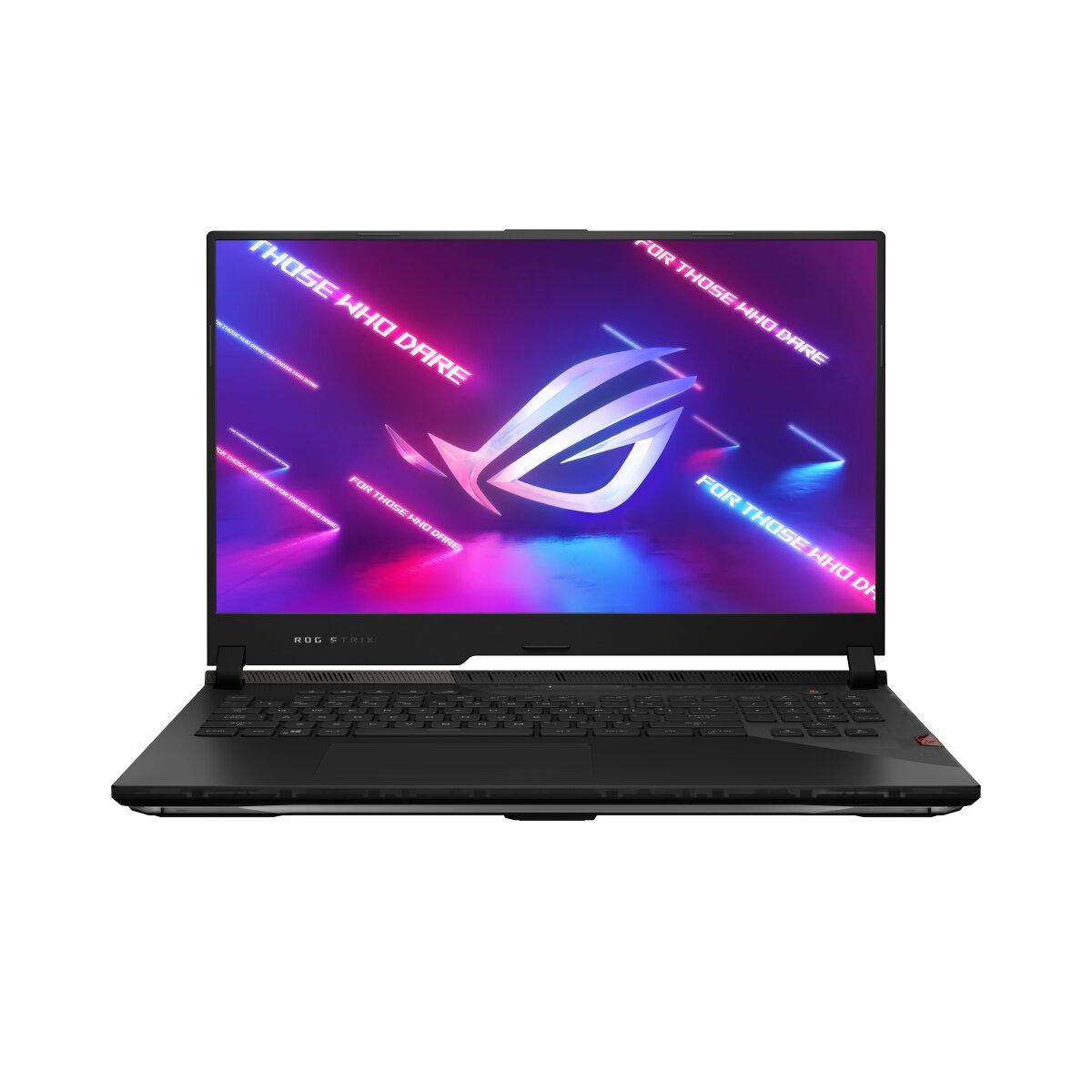
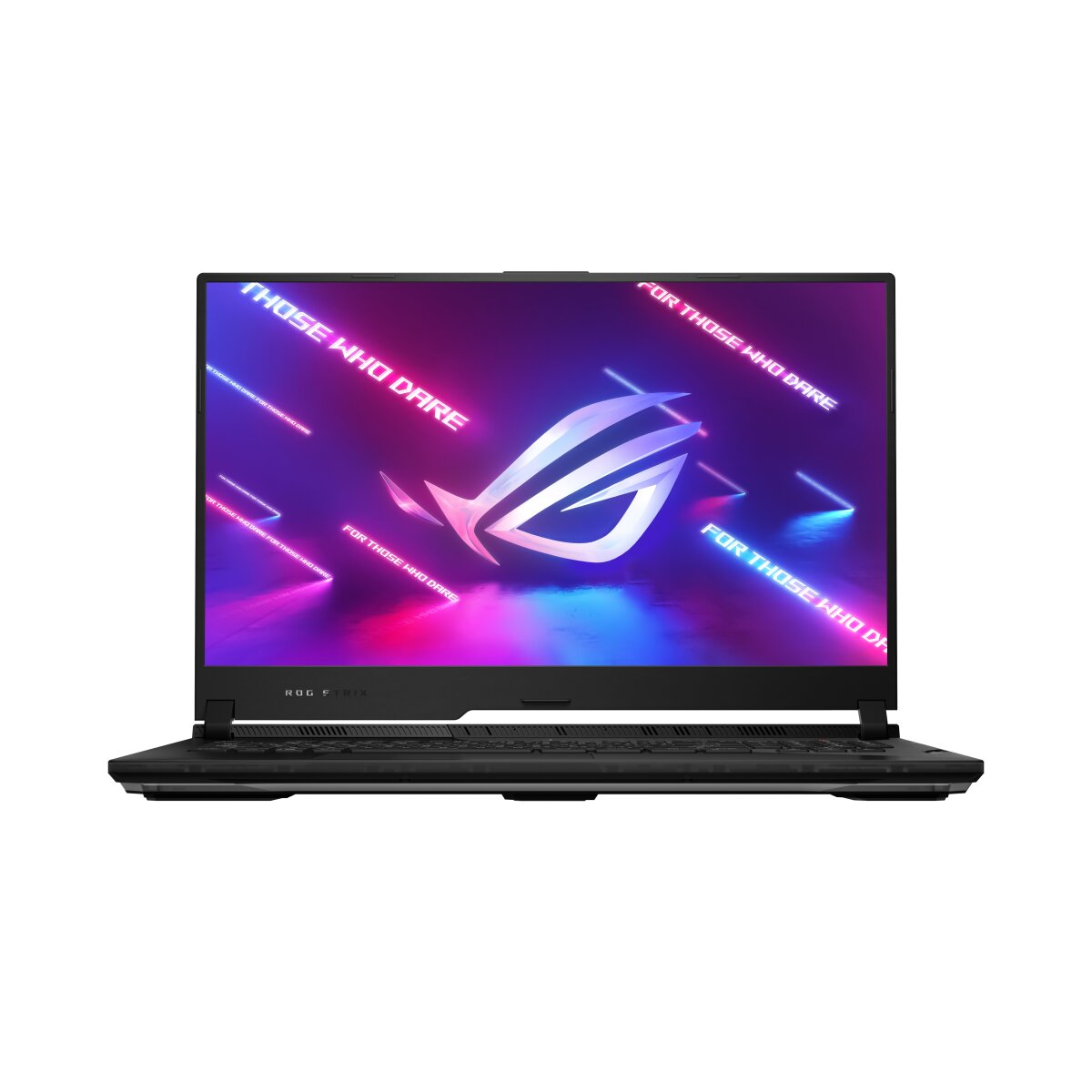


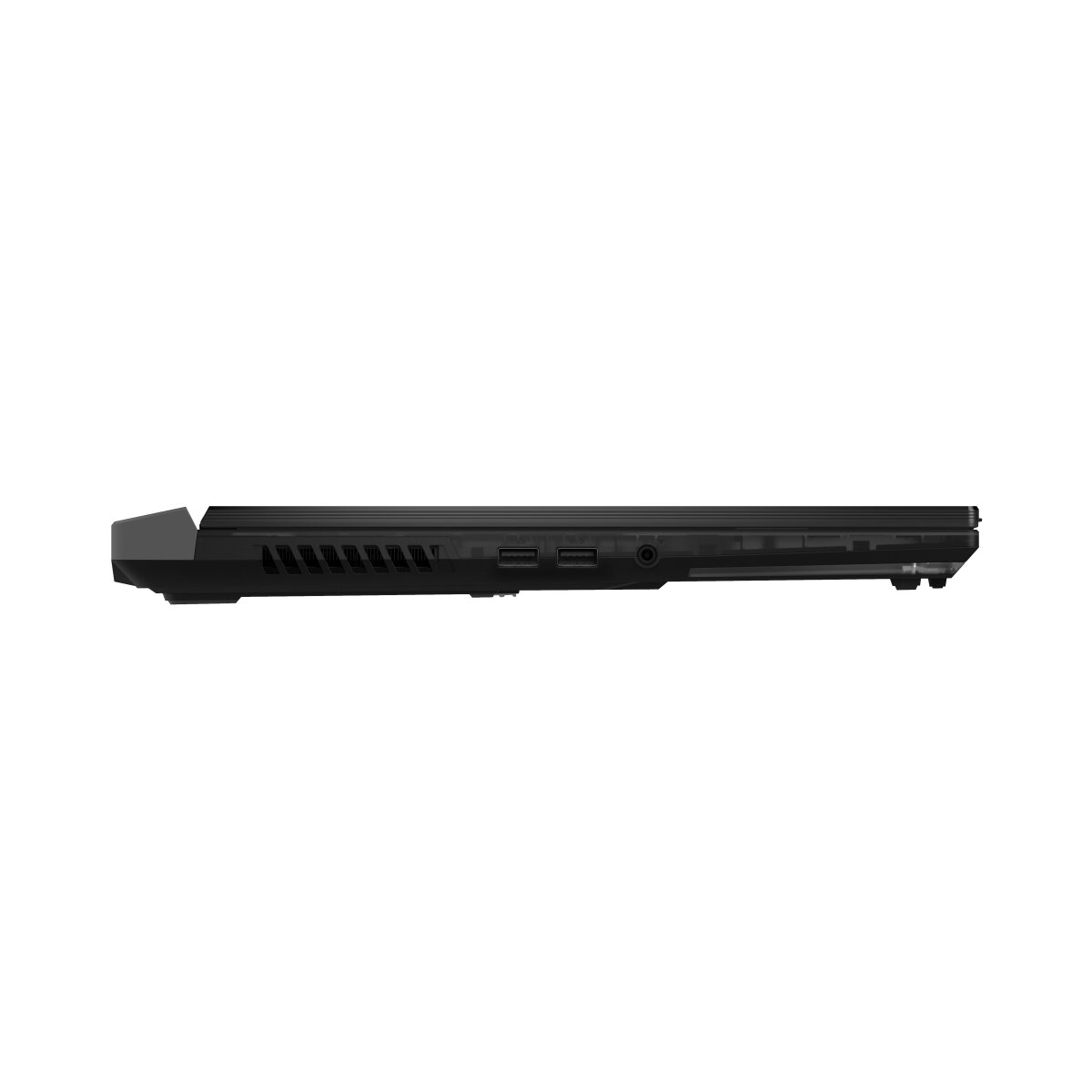
The ASUS ROG Strix SCAR 17 G733QSA-XS99 features DDR4-SDRAM memory with 2x SO-DIMM slots supporting maximum capacity of 64 GB. Compatible RAM specifications include 3200 MHz frequency operating at the SO-DIMM form factor. Memory upgrade options allow installation of matching modules to reach the maximum 64 GB configuration. Specifications indicate the laptop supports dual-channel memory architecture for enhanced performance through compatible DDR4 upgrade modules.
Memory Upgrade Specifications
| Specification | Value |
|---|---|
| Memory slots | 2x SO-DIMM |
| Form factor | SO-DIMM |
| Memory type | DDR4-SDRAM |
| Frequency | 3200 MHz |
| Maximum RAM | 64 GB |
| Voltage | 1.2V |
| Number of pins | 260-pin |
| Interface | PC4 |
| PC Speed Rating | PC4-3200 (PC4-25600) |
| Bandwidth | 25.6 GB/s |
| Laptop Release date | 07 April 2021 |
Additional Notes
- The ASUS ROG G733QSA-XS99 requires SO-DIMM modules rather than standard desktop DIMMs, limiting compatibility to laptop-specific memory products that physically differ in pin count and dimensions.
- DDR4-SDRAM architecture prevents installation of DDR3 or DDR5 modules due to incompatible voltage requirements and notch positioning on the module edge connector.
- The 2 slot configuration restricts upgrade flexibility, as reaching 64 GB total capacity necessitates replacing both modules with 32 GB units rather than adding incremental capacity.
- Native 3200 MHz operation depends on motherboard chipset and BIOS support, though modules rated at higher frequencies will downclock to this baseline when installed.
- Accessing internal memory slots typically requires bottom panel removal, which may involve multiple screw types and potential warranty seal disruption depending on regional service policies.
- The 64 GB ceiling creates a hard limit for workloads requiring larger memory pools, as this maximum cannot be exceeded regardless of module availability or system specifications.
- Dual-channel memory architecture requires matched module pairs for optimal bandwidth utilization, meaning asymmetric configurations sacrifice theoretical throughput performance.
- SO-DIMM thermal characteristics differ from desktop memory, with passive cooling reliance placing greater importance on chassis airflow for maintaining stable operation under sustained loads.
- Mixing modules with different latency timings forces the memory controller to adopt the slower specification across both channels, potentially degrading performance versus matched kits.
- Non-ECC DDR4 specification means the system lacks automatic error correction capabilities present in server-grade memory, though this aligns with standard consumer laptop implementations.