ASUS ROG G733ZM-DS71-CA RAM upgrade specifications


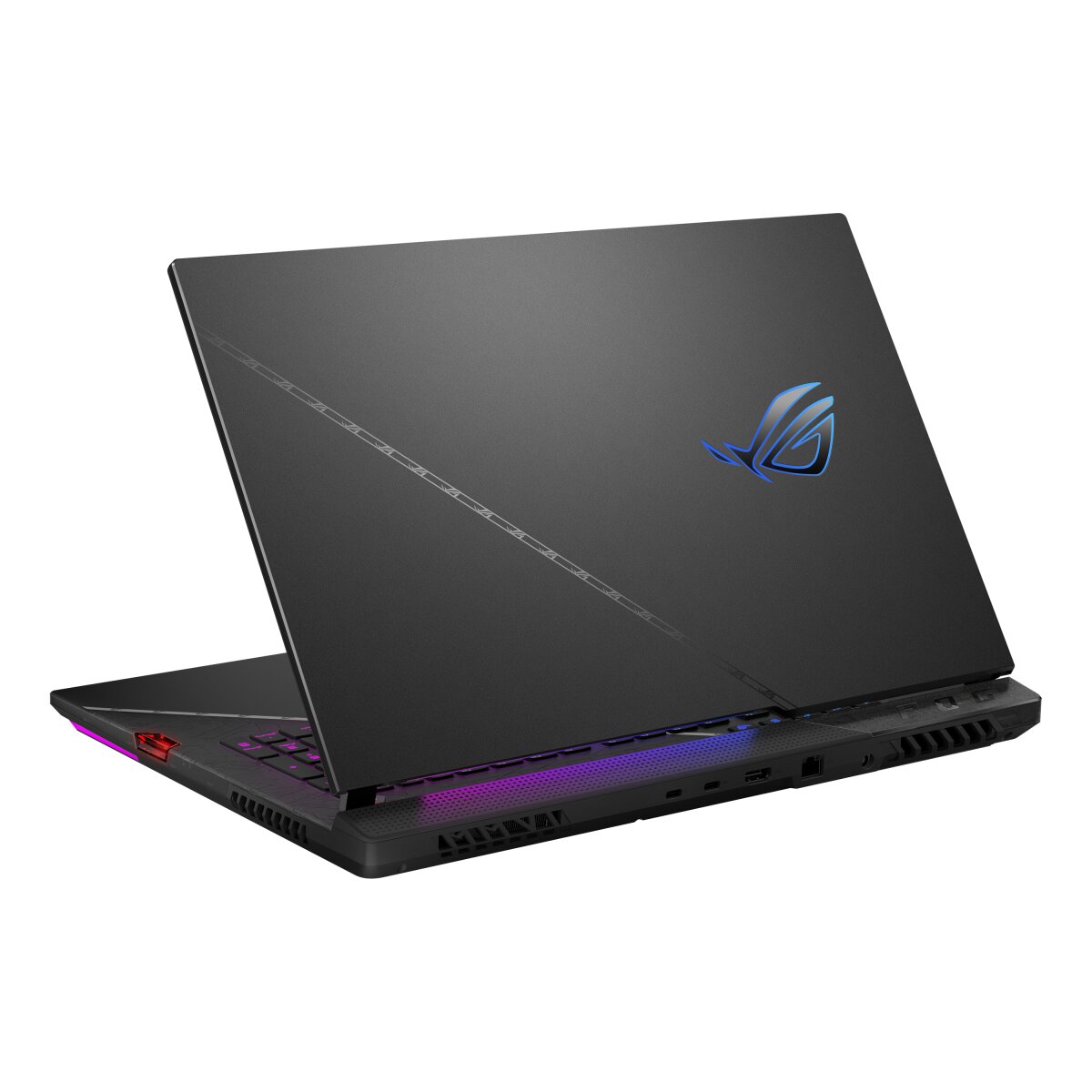
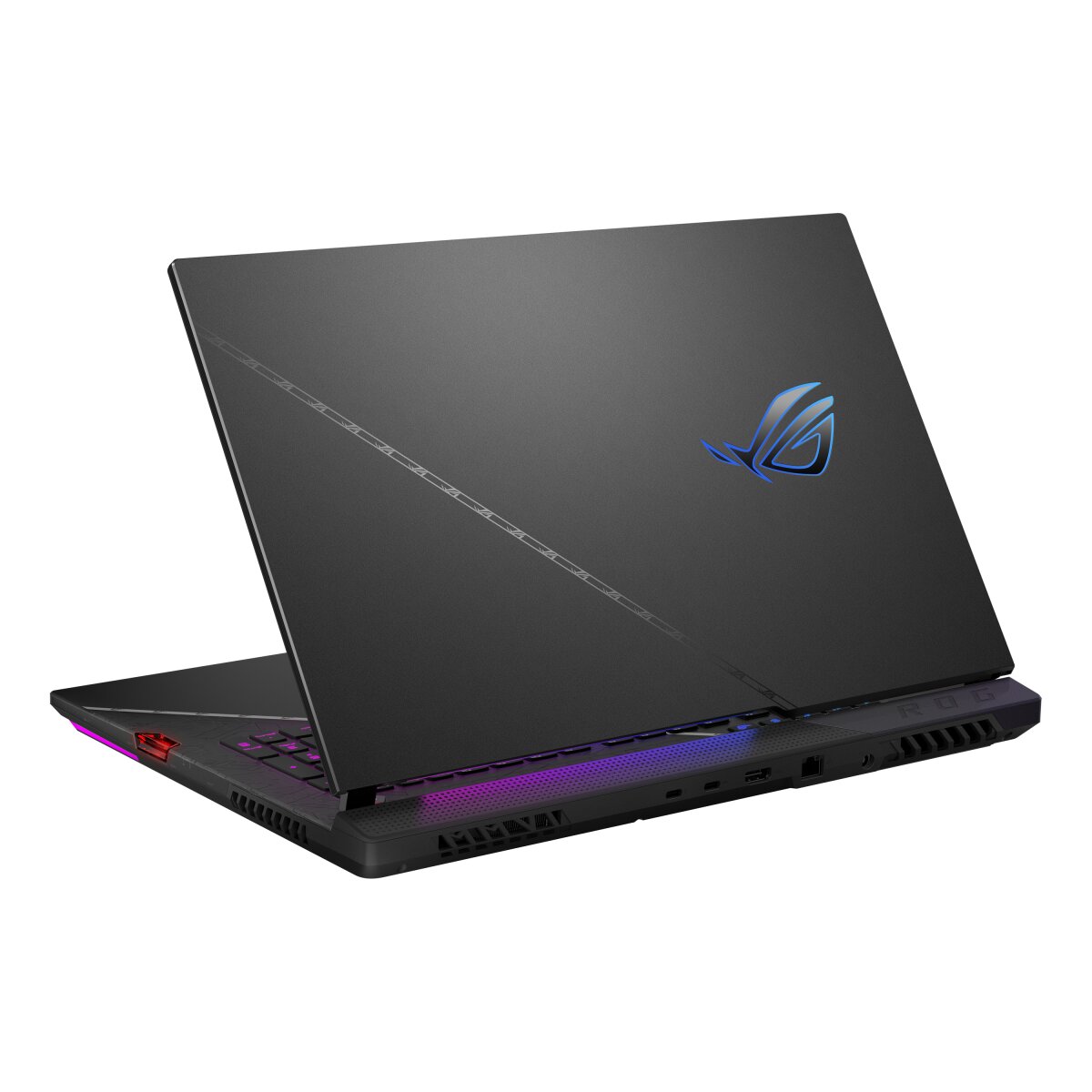
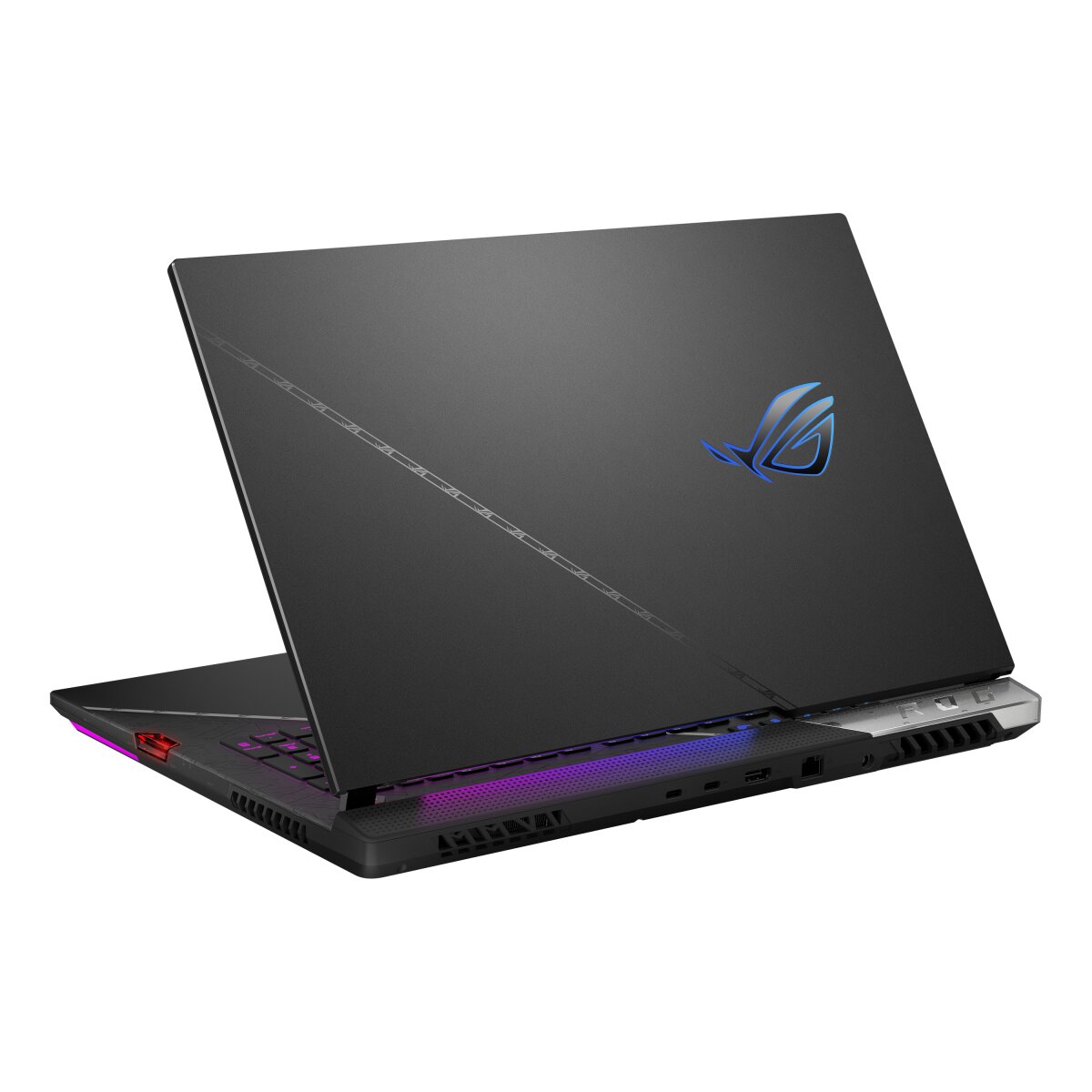
ASUS ROG Strix SCAR 17 model G733ZM-DS71-CA supports DDR5-SDRAM memory upgrade through 2x SO-DIMM slots. Maximum compatible RAM capacity reaches 64 GB total. Memory modules operate at 4800 MHz frequency. SO-DIMM form factor specifications apply to upgrade compatibility. The laptop's memory upgrade slots accommodate DDR5 specifications for enhanced performance configurations.
Memory Upgrade Specifications
| Specification | Value |
|---|---|
| Memory slots | 2x SO-DIMM |
| Form factor | SO-DIMM |
| Memory type | DDR5-SDRAM |
| Frequency | 4800 MHz |
| Maximum RAM | 64 GB |
| Voltage | 1.1V |
| Number of pins | 262-pin |
| Interface | PC5 |
| PC Speed Rating | PC5-4800 (PC5-38400) |
| Bandwidth | 38.4 GB/s |
| Laptop Release date | 24 May 2022 |
Additional Notes
- The ASUS ROG G733ZM-DS71-CA motherboard architecture enforces a 32 GB per-slot ceiling, preventing installation of 48 GB modules that exist in the consumer market.
- DDR5 SO-DIMM modules require 262-pin connectors and 1.1V operating voltage, making DDR4 modules physically and electrically incompatible despite identical slot dimensions.
- The 4800 MHz JEDEC standard represents first-generation DDR5 baseline speed, with higher-frequency modules automatically downclocking to this native chipset limit regardless of their rated specification.
- Dual-channel memory configuration activates only when both slots contain identical capacity modules, halving theoretical bandwidth when asymmetric capacities occupy the slots.
- SO-DIMM thermal constraints in gaming chassis require passive cooling through airflow alone, as active heatsinks interfere with lid closure tolerances in clamshell designs.
- JEDEC-compliant non-XMP modules eliminate potential stability issues with Intel XMP or AMD EXPO profiles that require BIOS support verification before purchase.
- Warranty preservation requires matching the factory-installed module rank configuration, as mixing single-rank and dual-rank DIMMs can trigger boot failures despite identical capacity specifications.
- The 38.4 GB/s per-channel bandwidth ceiling remains unchanged whether installing 8 GB or 32 GB modules, as frequency determines transfer rate independent of density.
- Laptop manufacturers often solder one memory channel directly to the motherboard in this product generation, requiring physical disassembly confirmation before assuming both slots remain accessible for upgrades.
- CAS latency specifications scale proportionally with DDR5 frequency increases, meaning CL40 at 4800 MHz delivers equivalent real-world latency to CL48 at 5600 MHz despite different numerical values.