ASUS ROG G733ZS-KH007W RAM upgrade specifications


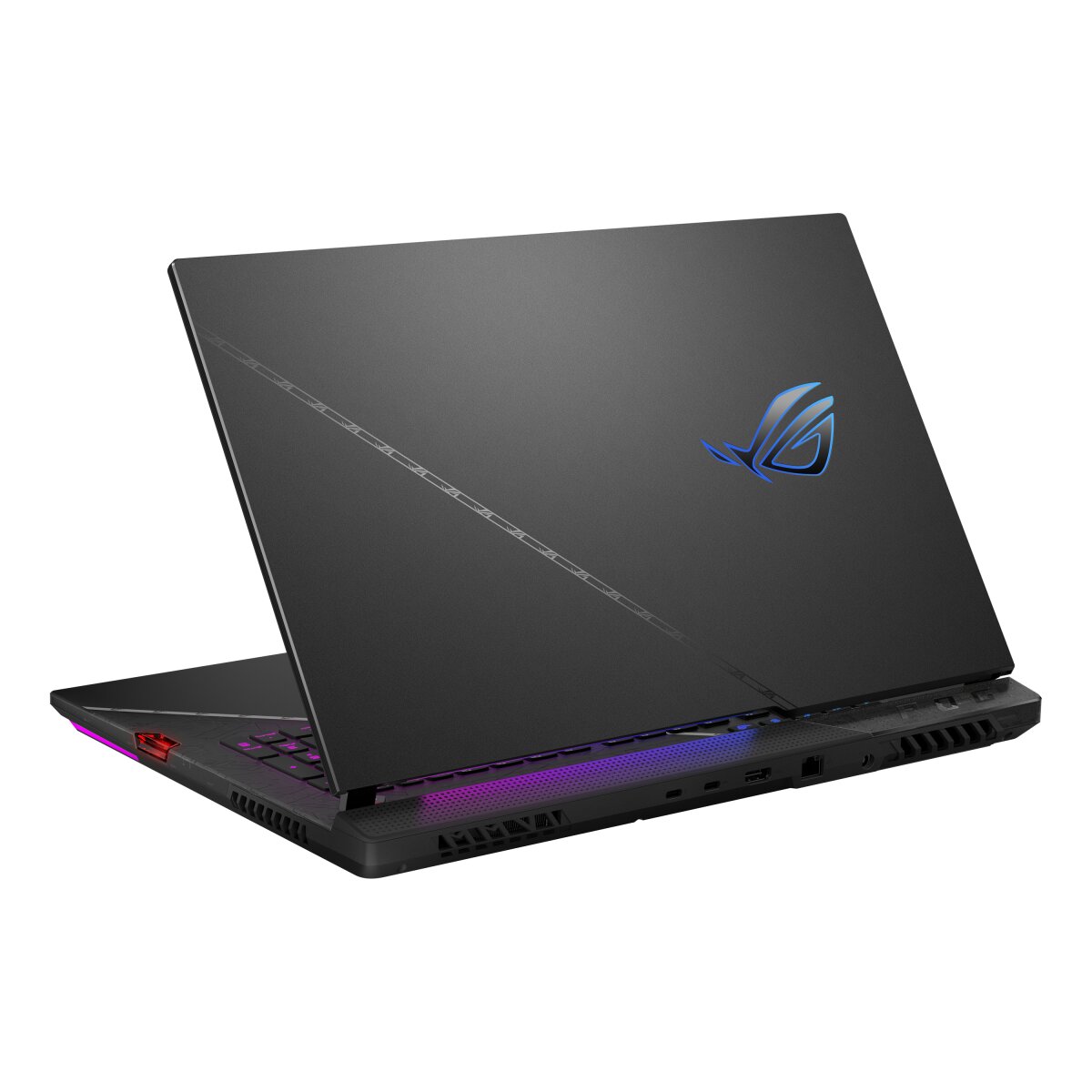
ASUS ROG Strix SCAR 17 G733ZS-KH007W laptop memory upgrade specifications include two SO-DIMM slots supporting DDR5-SDRAM at 4800 MHz frequency. Maximum RAM capacity reaches 64 GB total. Compatible memory modules must utilize SO-DIMM form factor for proper installation in available upgrade slots. DDR5 specifications ensure optimal performance for gaming and professional applications on model G733ZS-KH007W.
Memory Upgrade Specifications
| Specification | Value |
|---|---|
| Memory slots | 2x SO-DIMM |
| Form factor | SO-DIMM |
| Memory type | DDR5-SDRAM |
| Frequency | 4800 MHz |
| Maximum RAM | 64 GB |
| Voltage | 1.1V |
| Number of pins | 262-pin |
| Interface | PC5 |
| PC Speed Rating | PC5-4800 (PC5-38400) |
| Bandwidth | 38.4 GB/s |
Additional Notes
- The ASUS ROG G733ZS-KH007W contains 2 SO-DIMM slots with a combined ceiling of 64 GB, meaning each slot accommodates a maximum 32 GB module for full capacity utilization.
- DDR5-4800 MHz memory operates at a higher latency penalty per clock cycle than DDR4 alternatives, requiring validation that workload parallelization benefits offset increased per-operation timing costs.
- SO-DIMM form factor imposes strict physical envelope constraints; third-party RAM must maintain specifications within 67.6 mm length and 30 mm height to clear internal heatsinks and display hinge mechanisms.
- Upgrade viability depends on BIOS whitelisting of non-OEM modules; DDR5 compatibility matrices remain narrower than DDR4, restricting warranty-safe replacement options to validated manufacturer lists.
- Dual-channel architecture requires matched pairs for optimal bandwidth delivery; mismatched capacities or speed grades between slots degrades memory bandwidth utilization below rated 76.8 GB/s maximum throughput.
- DDR5 JEDEC standard compliance at 4800 MHz operates near the frequency ceiling for SO-DIMM modules; overclocked variants beyond this speed introduce thermal throttling risk in confined laptop thermal envelopes.
- Single-sided vs. double-sided DIMM configuration affects clearance margins; verification of specific module geometry against internal layout prevents installation failures without opening warranty seals.