ASUS ROG G733ZS-KH011 RAM upgrade specifications
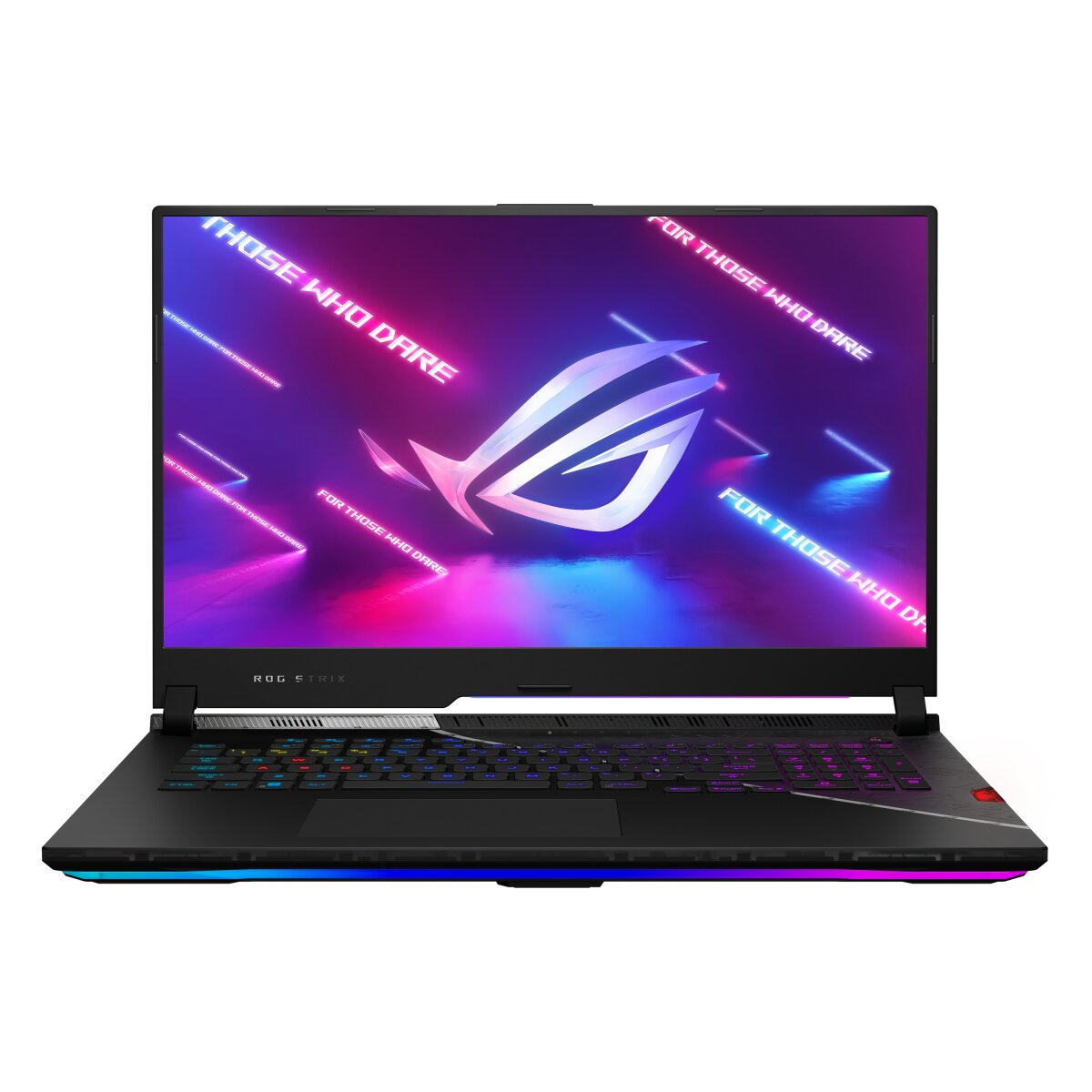

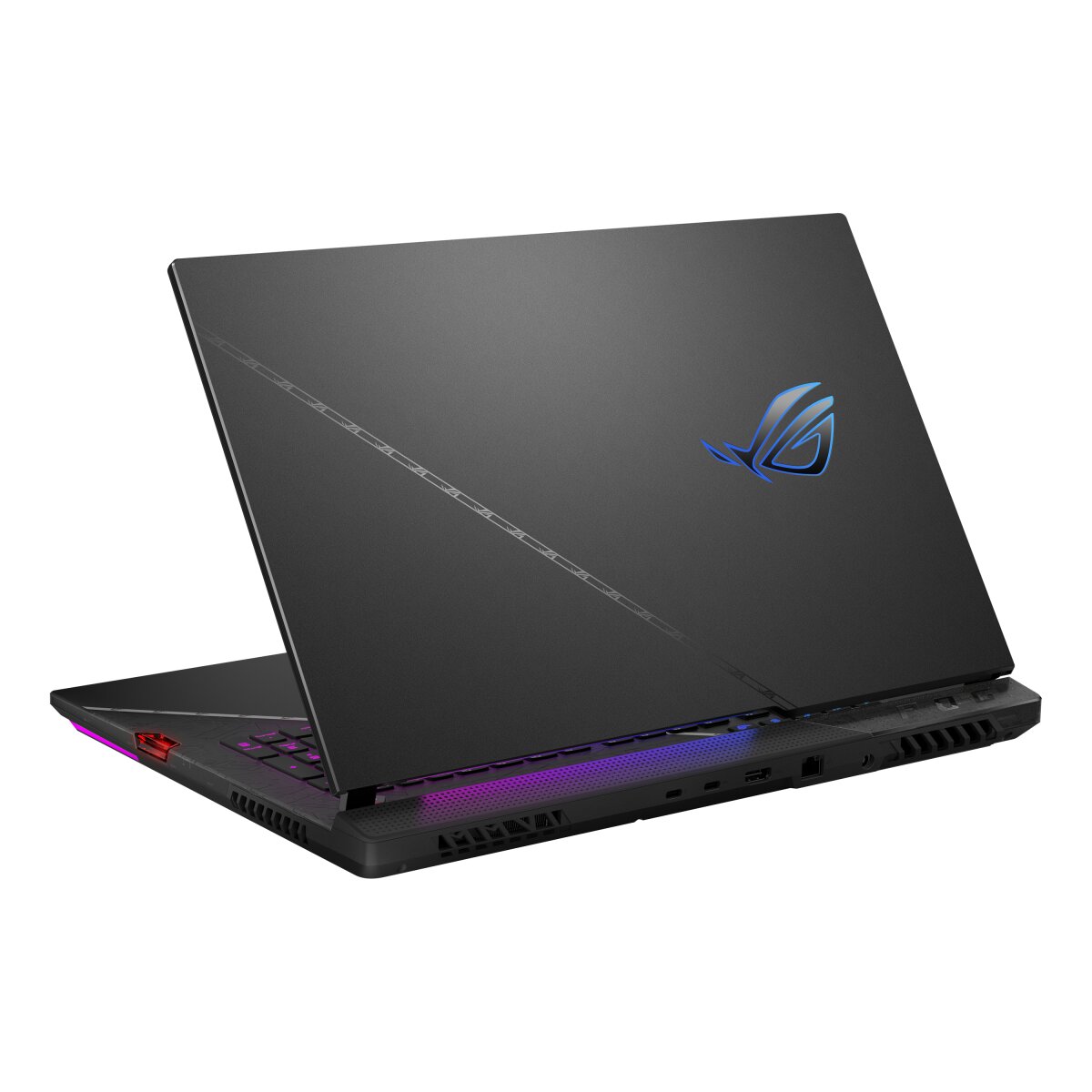
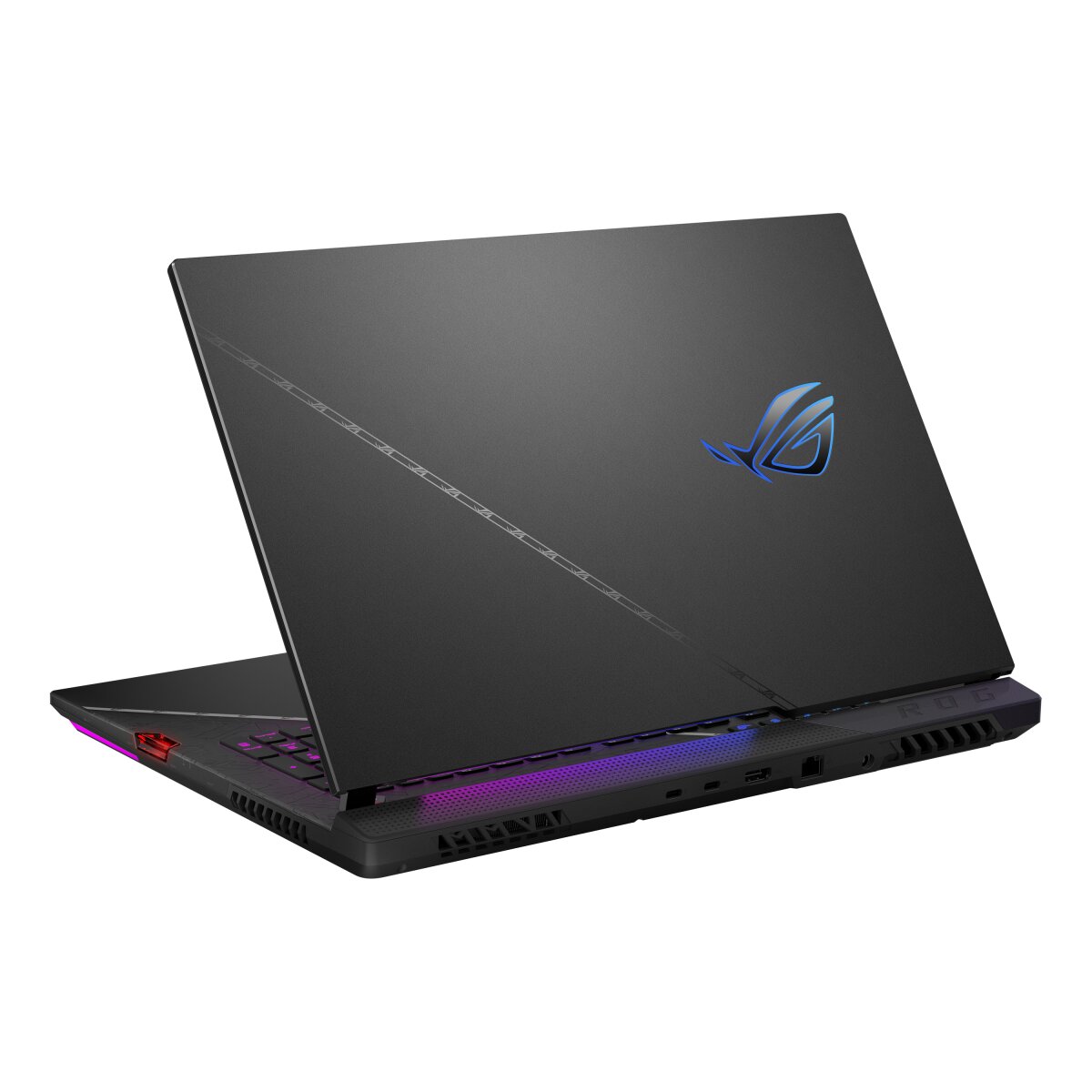
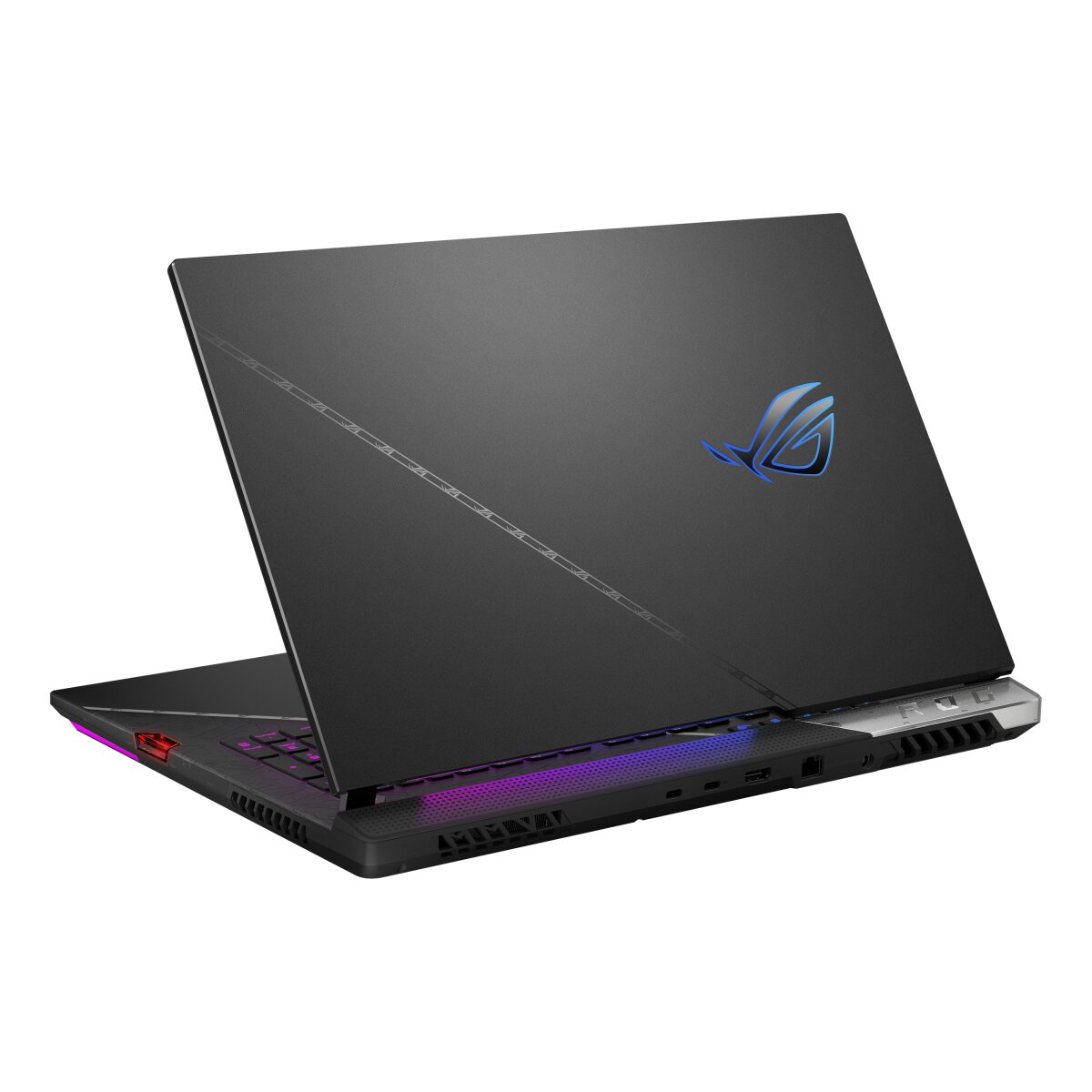
ASUS ROG Strix SCAR 17 G733ZS-KH011 laptop features two SO-DIMM slots supporting DDR5-SDRAM memory upgrades at 4800 MHz frequency. Maximum RAM capacity reaches 64 GB total, allowing users to expand from the factory configuration. Compatible memory modules must match DDR5-SDRAM specifications and SO-DIMM form factor for proper functionality. Upgrade specifications support modern high-performance applications requiring substantial memory bandwidth on the gaming-focused platform.
Memory Upgrade Specifications
| Specification | Value |
|---|---|
| Memory slots | 2x SO-DIMM |
| Form factor | SO-DIMM |
| Memory type | DDR5-SDRAM |
| Frequency | 4800 MHz |
| Maximum RAM | 64 GB |
| Voltage | 1.1V |
| Number of pins | 262-pin |
| Interface | PC5 |
| PC Speed Rating | PC5-4800 (PC5-38400) |
| Bandwidth | 38.4 GB/s |
| Laptop Release date | 22 August 2022 |
Additional Notes
- The ASUS ROG G733ZS-KH011 requires DDR5 SO-DIMM modules exclusively, preventing the use of any DDR4 inventory due to incompatible pin configurations and voltage requirements.
- The 4800 MHz frequency represents the official JEDEC standard speed for DDR5, though Intel 12th generation processors in this chassis may support higher XMP profiles if BIOS allows frequency adjustments.
- Dual-channel architecture necessitates matched module pairs to maintain optimal memory bandwidth, as mismatched capacities or timings will force the controller to operate at the lowest common denominator.
- The 64 GB maximum capacity constraint stems from chipset limitations rather than physical slot restrictions, making 2x32 GB the only configuration to reach full system potential.
- SO-DIMM form factor dictates a module length of approximately 69.6 mm, eliminating compatibility with standard 133.35 mm DIMM modules used in desktop systems.
- Memory replacement typically requires bottom panel removal, though manufacturer warranty terms may restrict user-serviceable component access depending on regional support policies.
- DDR5's on-die ECC functionality operates independently of system-level error correction, providing background data integrity without requiring ECC-specific module variants.
- Thermal considerations become relevant at capacities approaching 64 GB, as higher-density modules generate increased heat output that may affect sustained performance in gaming workloads.
- Mixed-brand configurations remain functionally viable provided voltage specifications and primary timings align, though single-vendor kits eliminate potential compatibility variables.