ASUS ROG G733ZS-KH026 RAM upgrade specifications
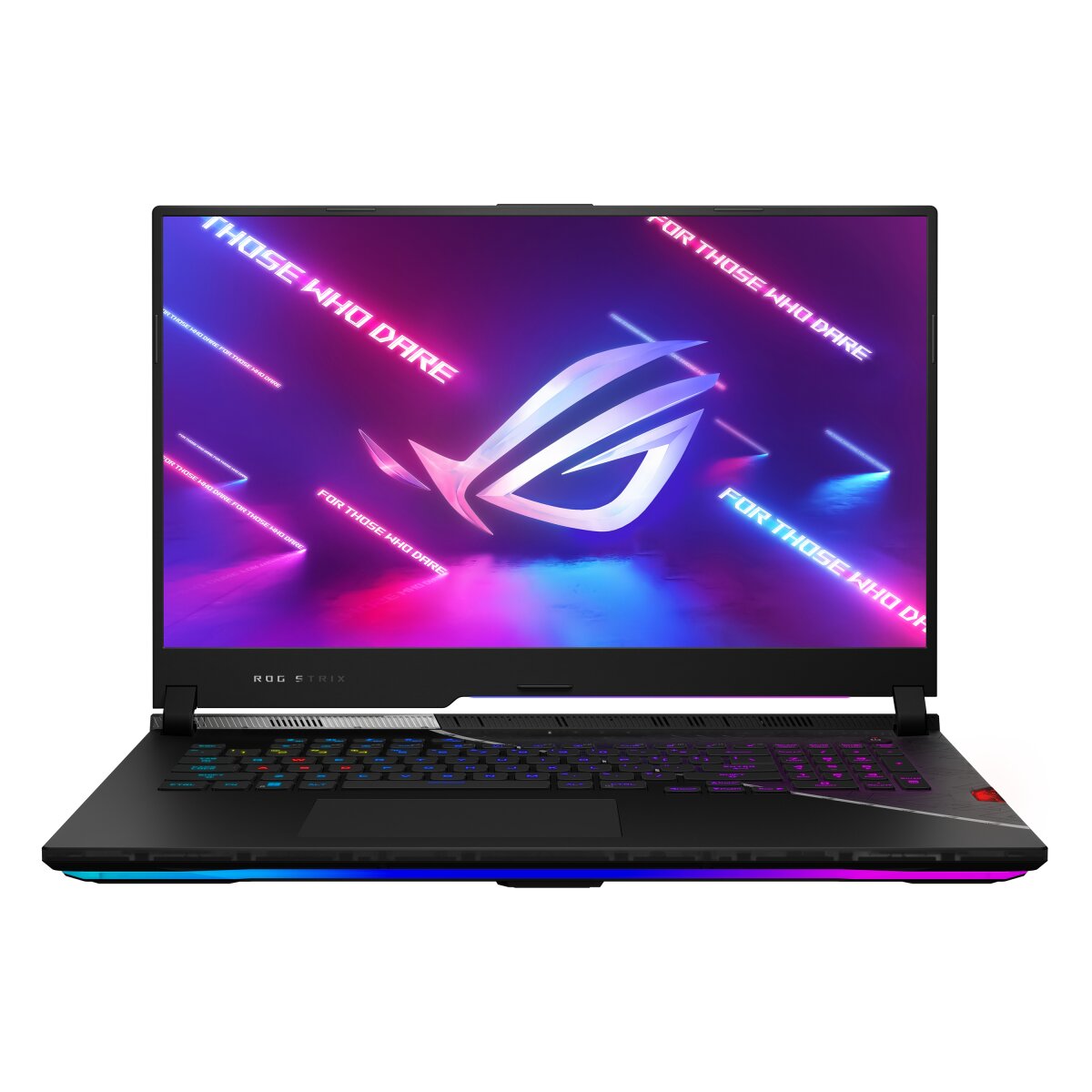

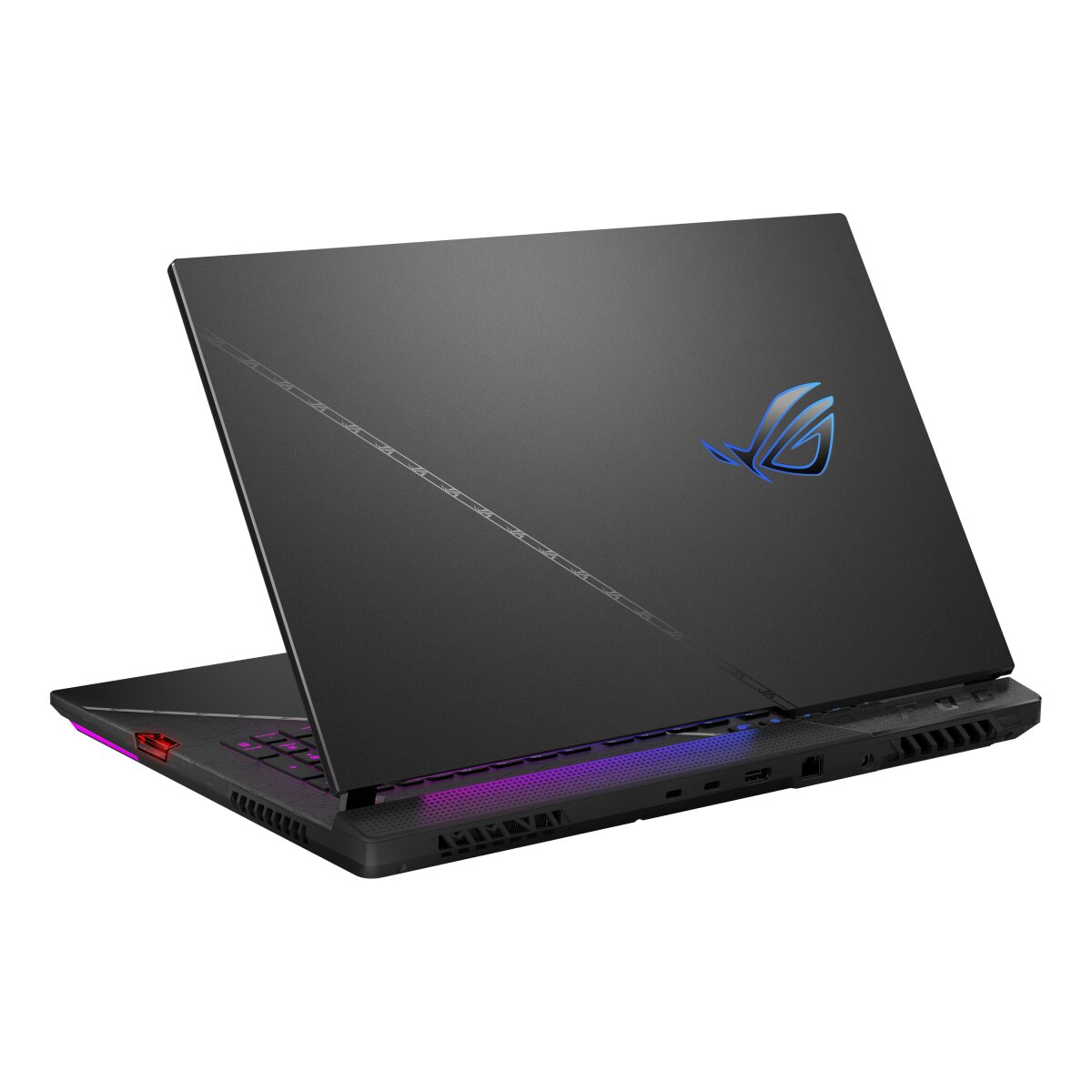
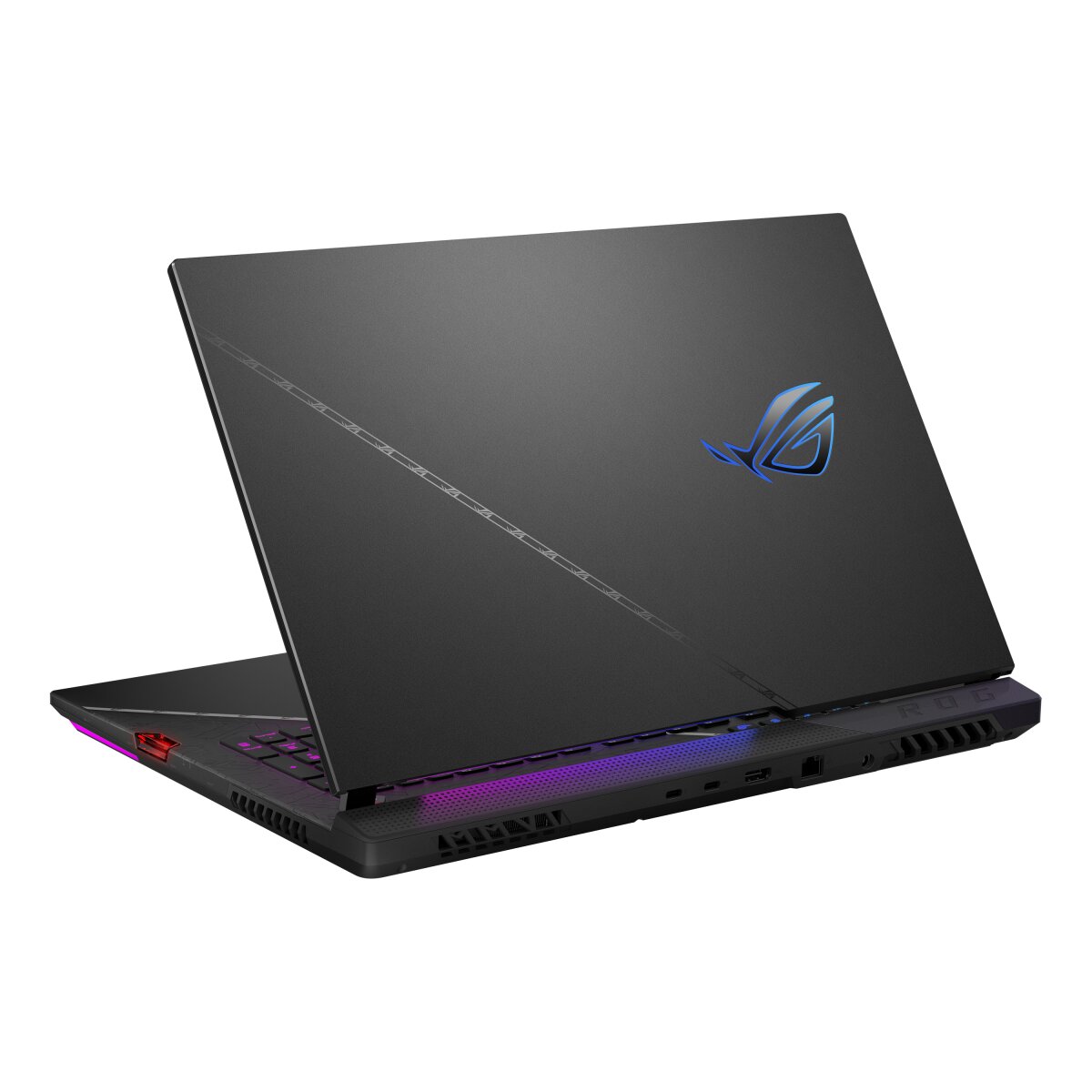
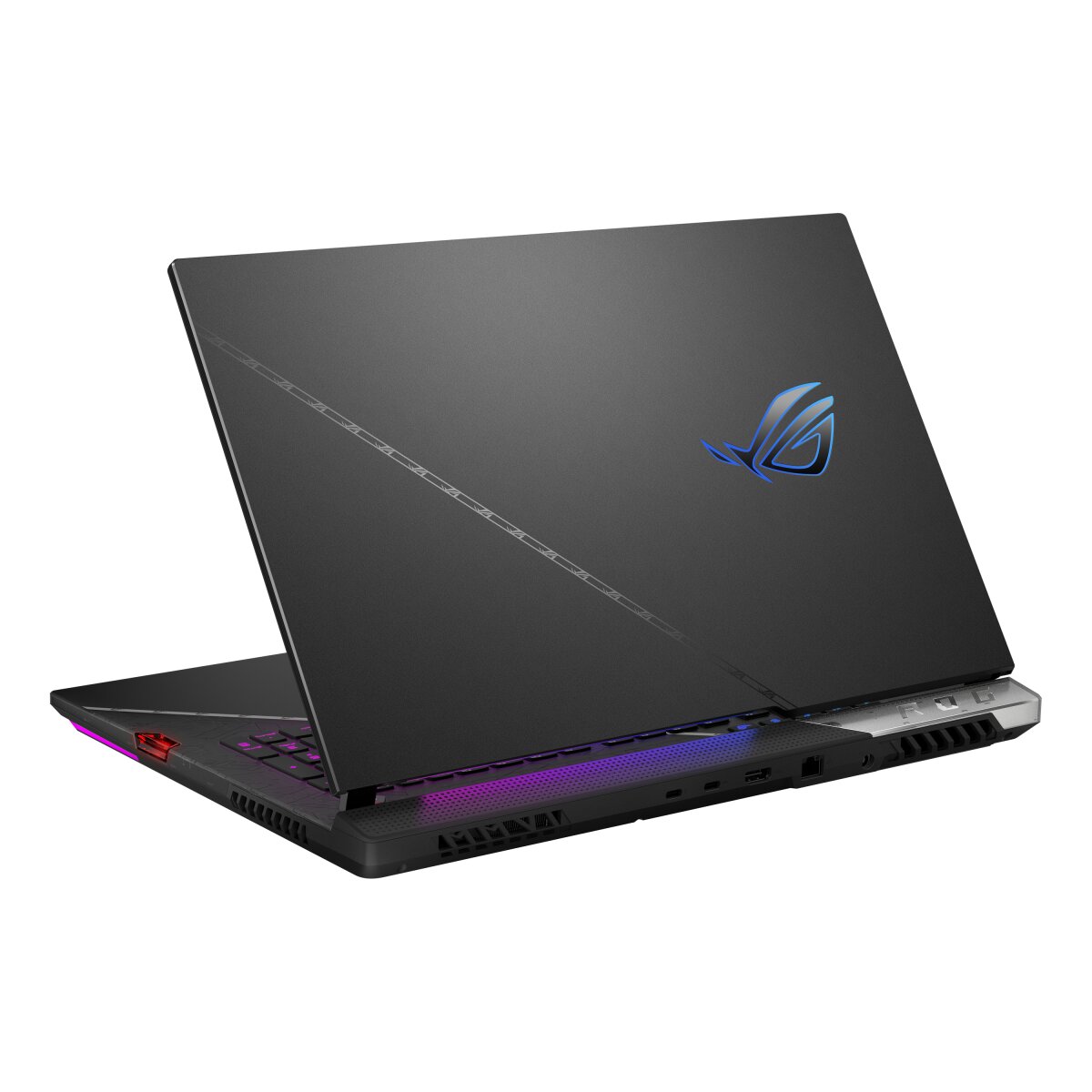
ASUS ROG Strix SCAR 17 G733ZS-KH026 laptop features DDR5-SDRAM memory upgrade specifications. The device contains 2x SO-DIMM slots supporting maximum RAM capacity of 64 GB. Compatible memory modules operate at 4800 MHz frequency. Upgrade options accommodate SO-DIMM form factor RAM modules, enabling users to expand memory capacity according to specifications. Maximum supported memory configuration reaches 64 GB total capacity across both slots.
Memory Upgrade Specifications
| Specification | Value |
|---|---|
| Memory slots | 2x SO-DIMM |
| Form factor | SO-DIMM |
| Memory type | DDR5-SDRAM |
| Frequency | 4800 MHz |
| Maximum RAM | 64 GB |
| Voltage | 1.1V |
| Number of pins | 262-pin |
| Interface | PC5 |
| PC Speed Rating | PC5-4800 (PC5-38400) |
| Bandwidth | 38.4 GB/s |
| Laptop Release date | 22 August 2022 |
Additional Notes
- The ASUS ROG G733ZS-KH026 utilizes DDR5 SO-DIMM modules, which are physically incompatible with DDR4 slots due to different notch positioning and voltage requirements.
- The 4800 MHz frequency represents DDR5's entry-level speed tier, meaning modules rated at 5200 MHz, 5600 MHz, or higher will downclock to match the system's 4800 MHz limitation.
- The 64 GB maximum capacity constraint requires 32 GB modules in both slots, as exceeding this threshold may prevent POST completion or trigger memory training failures.
- SO-DIMM form factor installation requires accessing the bottom panel, which typically involves removing multiple screws and potentially voiding warranty seals depending on regional regulations.
- DDR5's dual-channel architecture operates independently per module through on-die ECC, unlike DDR4's controller-based channel pairing, affecting how memory errors are detected and corrected.
- The 2-slot configuration eliminates future expansion beyond initial dual-module installation, requiring complete replacement rather than incremental additions when upgrading capacity.
- Mixing modules with different densities or ranks may force the memory controller to operate in asymmetric mode, reducing bandwidth efficiency despite maintaining dual-channel functionality.
- DDR5's higher minimum voltage specification of 1.1V compared to DDR4's 1.2V impacts thermal output and power delivery requirements within the laptop's confined cooling system.
- Non-XMP modules will default to JEDEC standard timings, which at 4800 MHz translates to CL40 latency compared to performance modules offering CL38 or lower at equivalent speeds.
- The platform's 4800 MHz ceiling means bandwidth tops out at 76.8 GB/s per channel, creating potential bottlenecks for GPU-intensive workloads sharing system memory through integrated graphics switching.