ASUS ROG G733ZS-DS94 RAM upgrade specifications


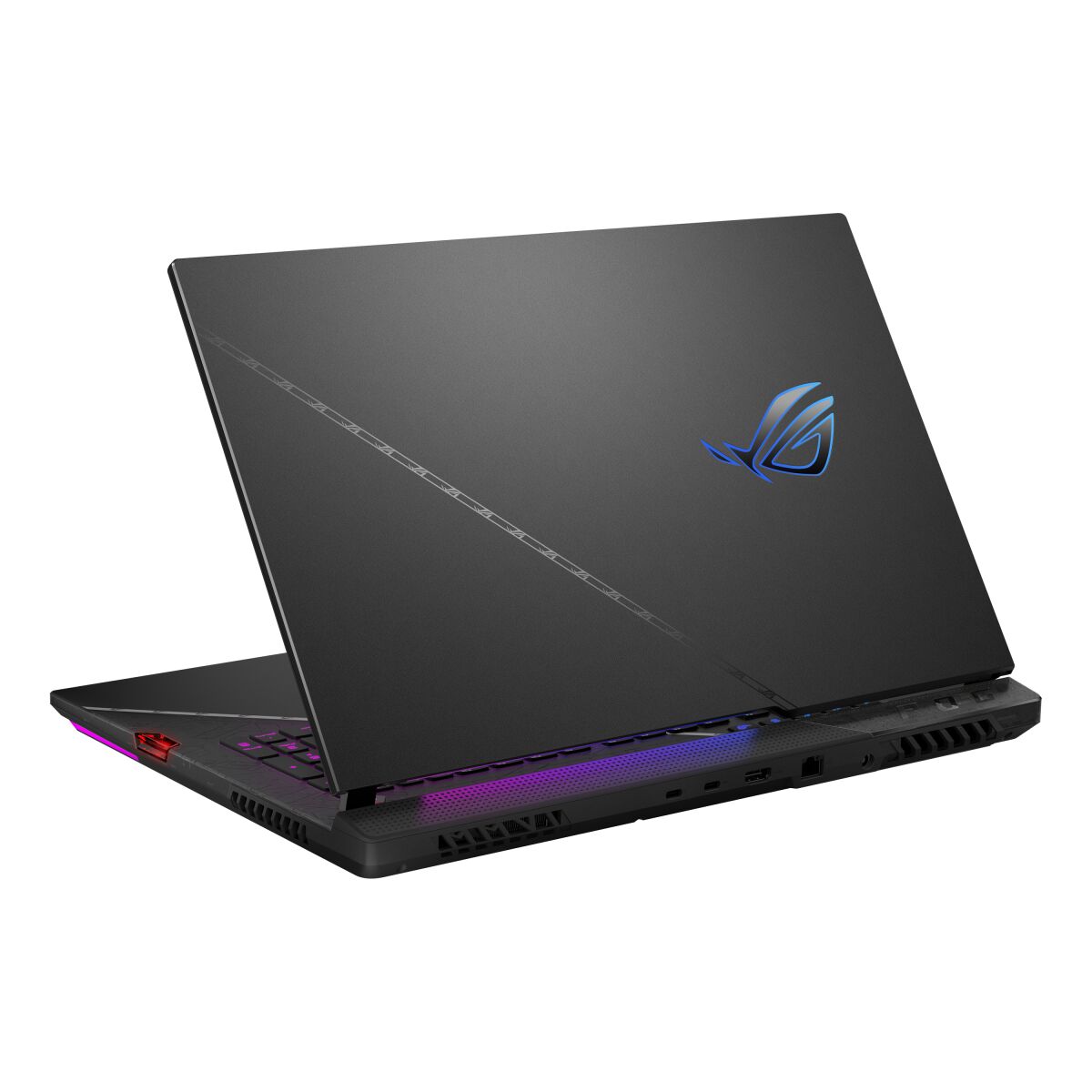
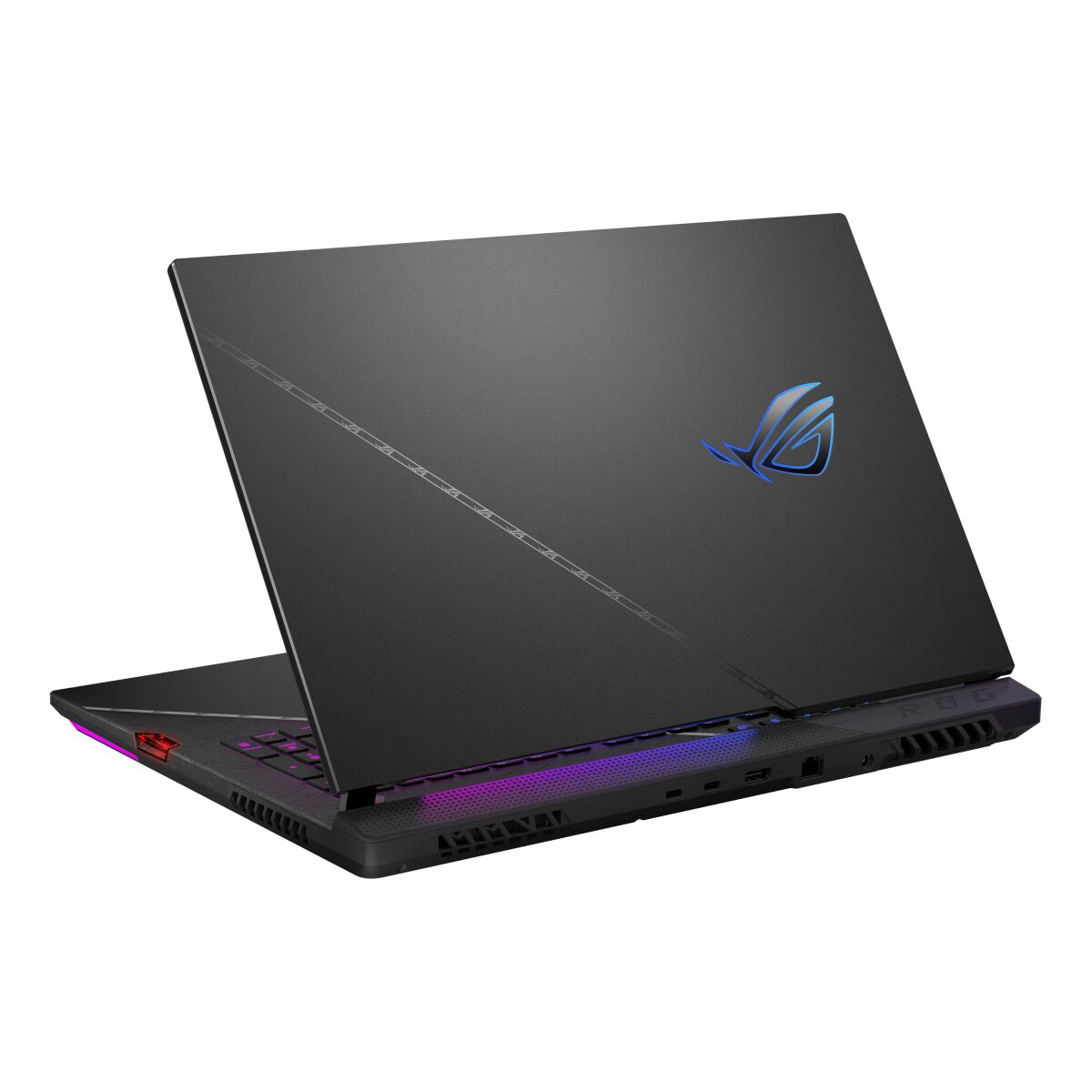
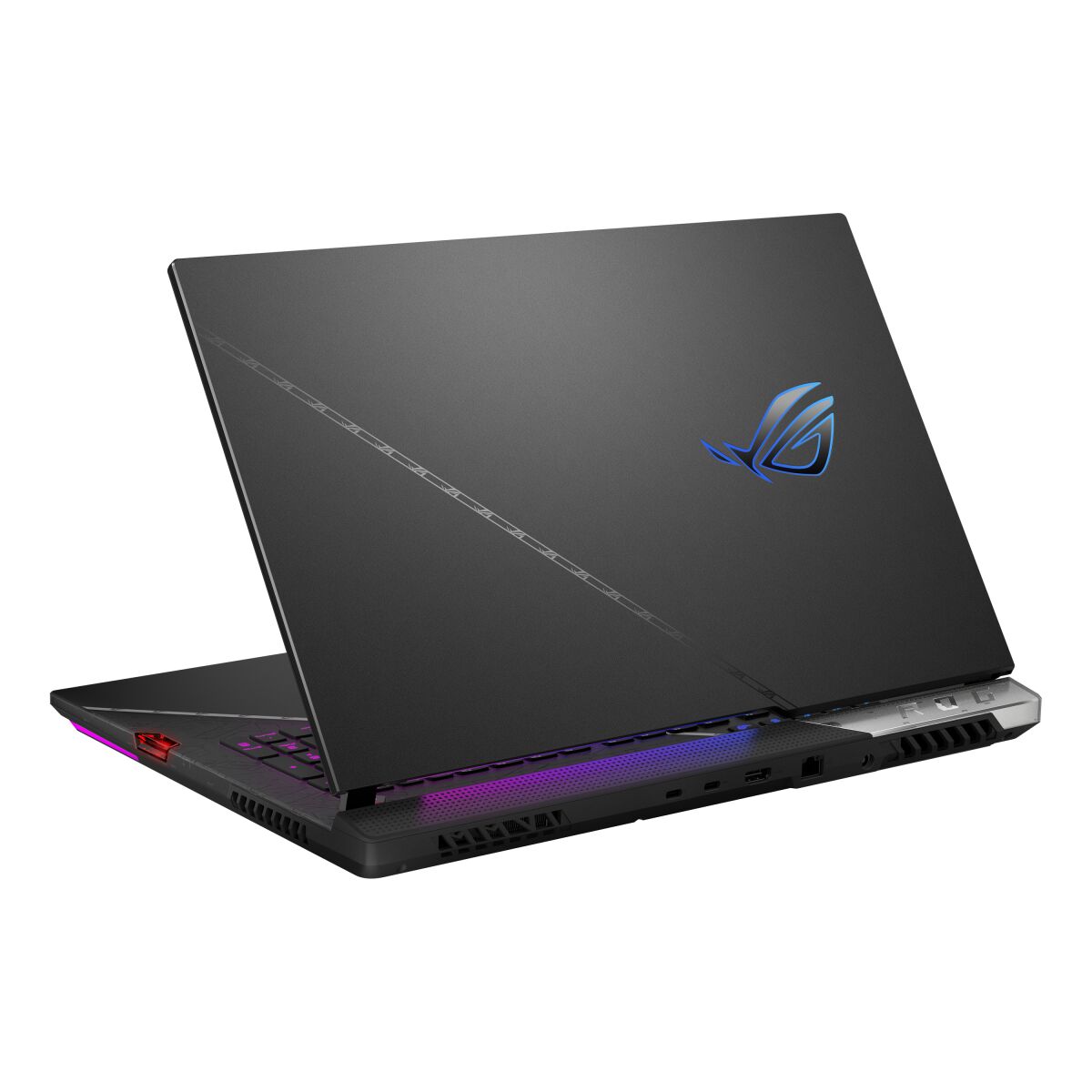
The ASUS ROG Strix SCAR 17 G733ZS-DS94 features DDR5-SDRAM memory upgrade specifications with 2x SO-DIMM slots supporting maximum capacity of 64 GB. Compatible RAM operates at 4800 MHz frequency using SO-DIMM form factor. Specifications enable memory expansion for enhanced multitasking and performance in gaming and professional applications on this high-performance laptop model.
Memory Upgrade Specifications
| Specification | Value |
|---|---|
| Memory slots | 2x SO-DIMM |
| Form factor | SO-DIMM |
| Memory type | DDR5-SDRAM |
| Frequency | 4800 MHz |
| Maximum RAM | 64 GB |
| Voltage | 1.1V |
| Number of pins | 262-pin |
| Interface | PC5 |
| PC Speed Rating | PC5-4800 (PC5-38400) |
| Bandwidth | 38.4 GB/s |
| Laptop Release date | 19 March 2022 |
Additional Notes
- The ASUS ROG G733ZS-DS94 architecture enforces a dual-channel memory configuration through its 2 SO-DIMM slots, meaning single-stick installations will operate at reduced bandwidth.
- DDR5-SDRAM backward compatibility with DDR4 modules is physically impossible due to notch repositioning and voltage differences (1.1V vs 1.2V).
- The 64 GB ceiling requires 32 GB modules in both slots, as asymmetric configurations may trigger non-matching density warnings in BIOS.
- Modules exceeding 4800 MHz will downclock to match the controller's native speed unless XMP/EXPO profiles receive chipset support.
- SO-DIMM form factor restricts aftermarket options to laptop-specific modules, as standard DIMM desktop memory cannot physically seat in the narrower sockets.
- Mixing modules with different CAS latencies forces both sticks to adopt the slower timing profile, degrading potential performance gains.
- The 4800 MHz frequency specification operates at JEDEC standards, meaning non-standard overclocked modules may require manual timing adjustments for stability.
- DDR5 on-die ECC functionality provides error correction at the DRAM level but remains distinct from server-grade Registered ECC modules that will not function in this platform.
- Capacity upgrades beyond 32 GB total will show diminishing returns in gaming workloads while benefiting memory-intensive tasks like video rendering or virtual machines.
- The dual-slot limitation prevents future expansion beyond 64 GB without replacing existing modules entirely, unlike 4-slot desktop systems allowing incremental additions.