ASUS ROG G733QS-K4281T RAM upgrade specifications
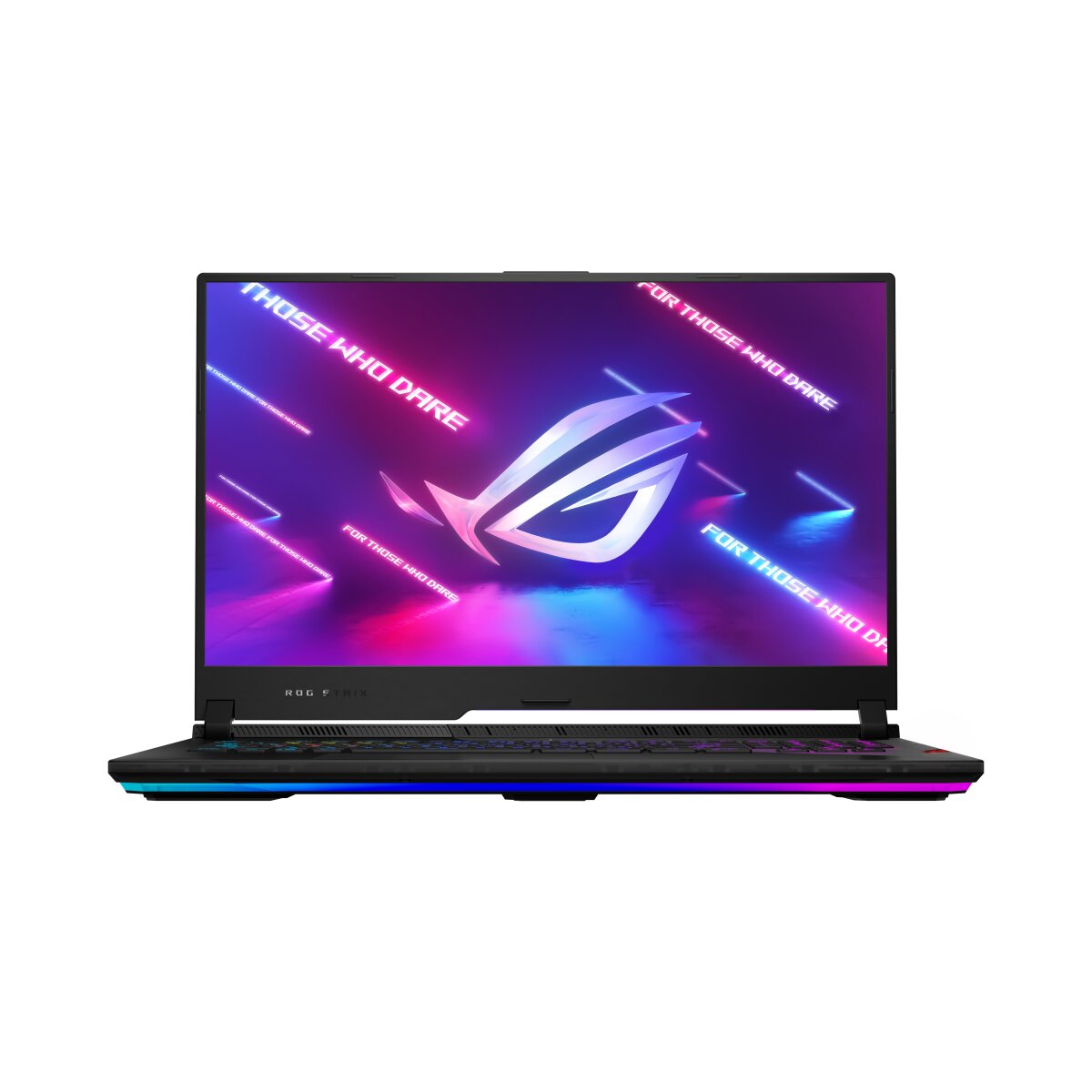
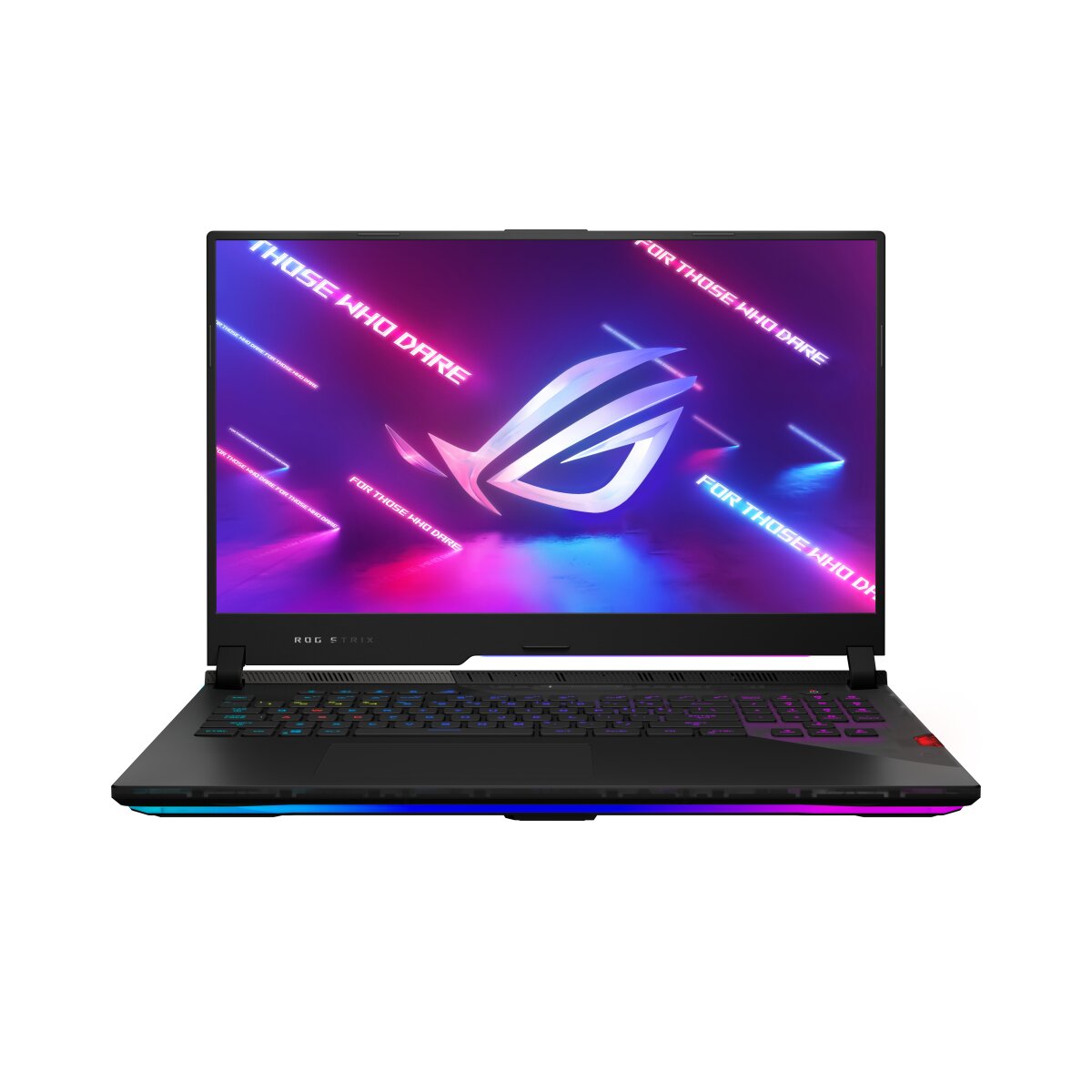
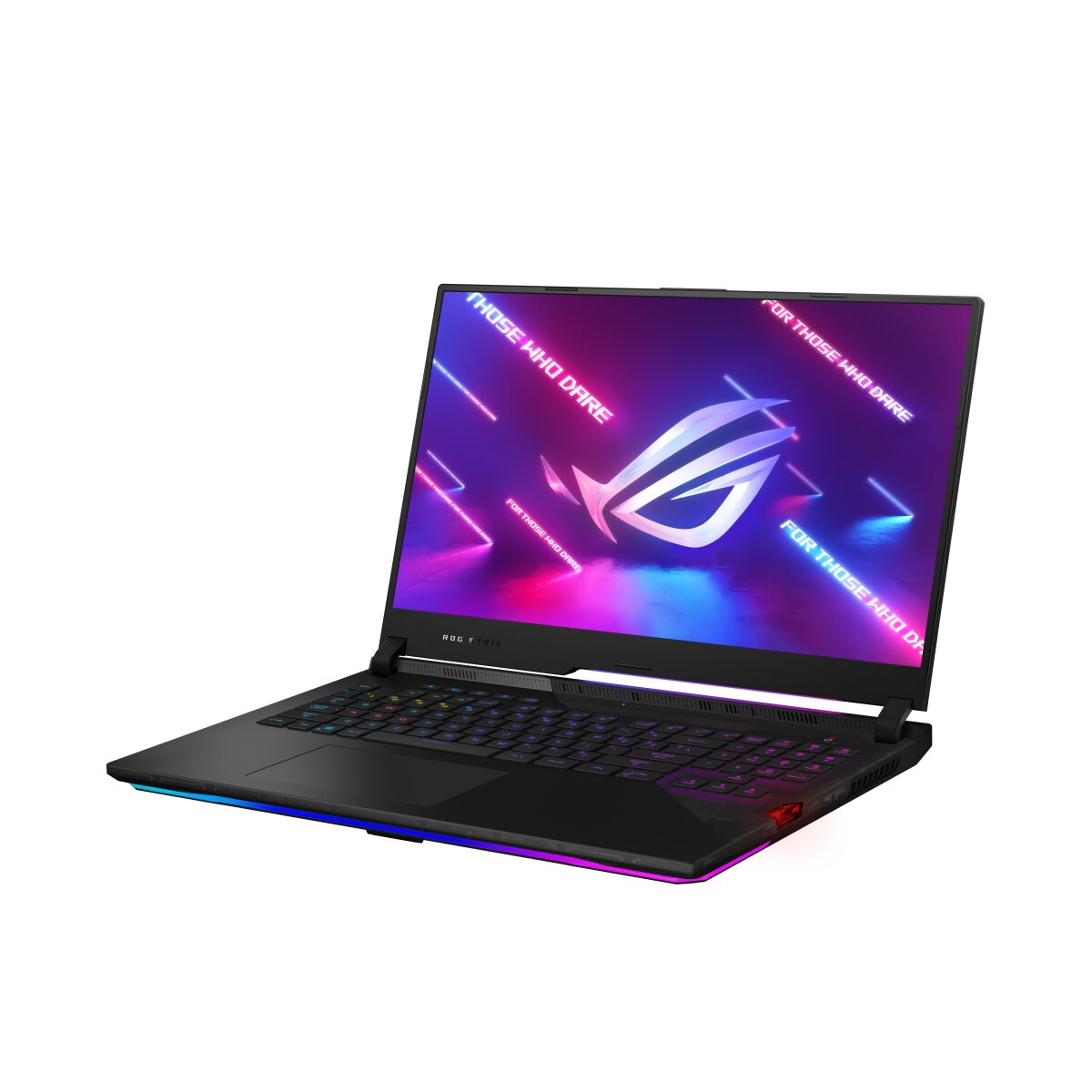
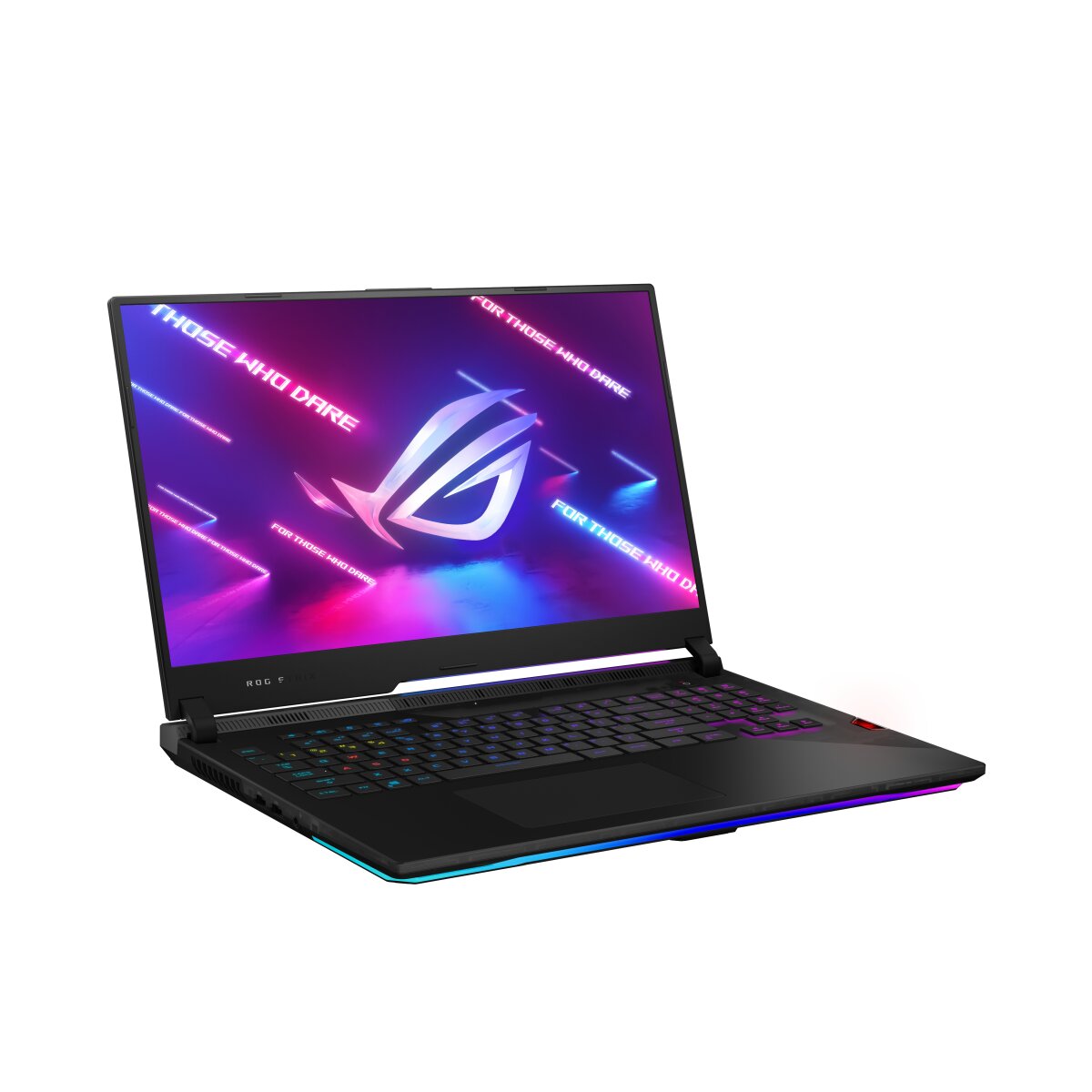
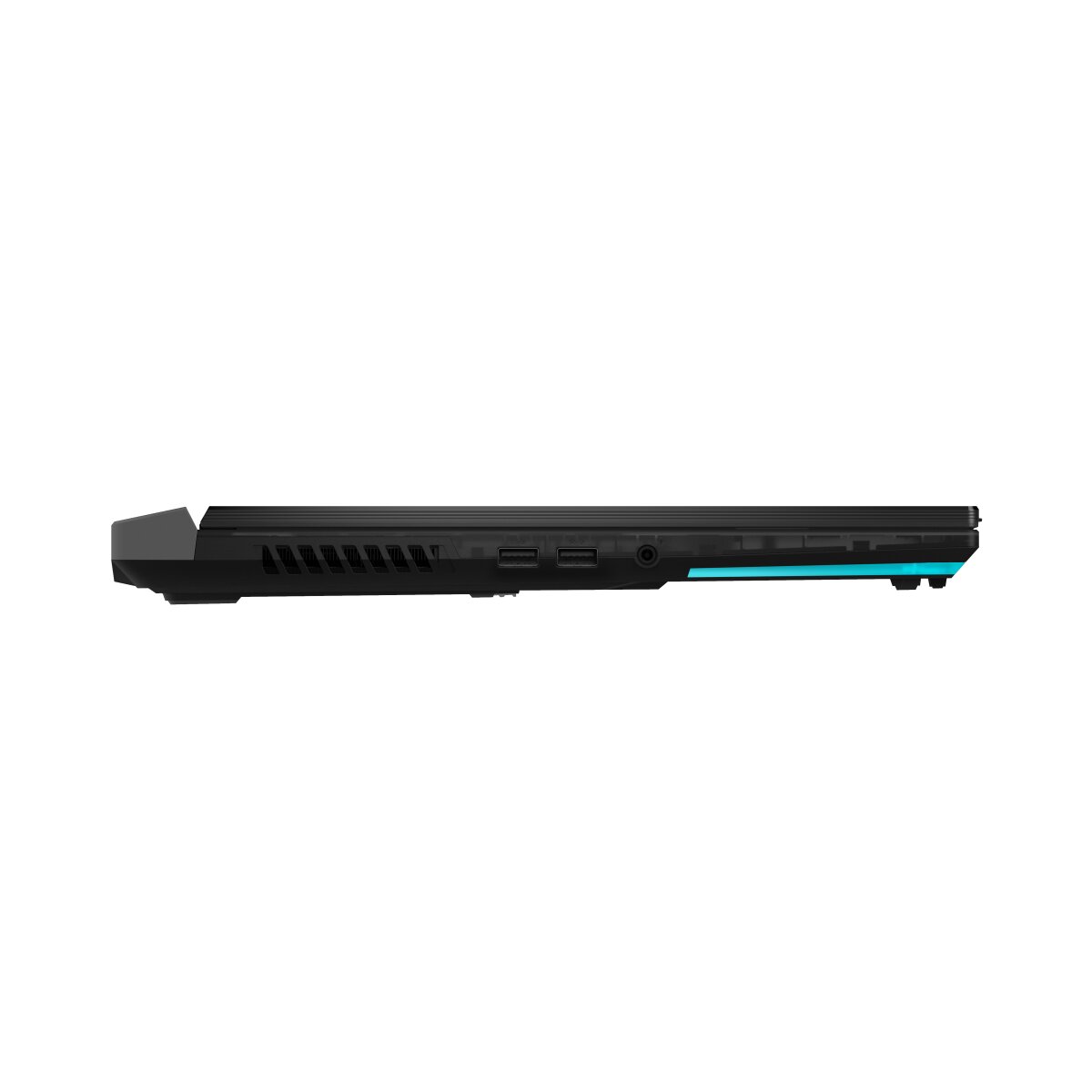
ASUS ROG Strix SCAR 17 G733QS-K4281T laptop supports DDR4-SDRAM memory upgrades through two SO-DIMM slots. Maximum RAM capacity reaches 64 GB total. Compatible memory modules operate at 3200 MHz frequency with SO-DIMM form factor. Upgrade specifications enable installation of higher-capacity modules for increased multitasking performance and gaming capabilities on this gaming laptop model.
Memory Upgrade Specifications
| Specification | Value |
|---|---|
| Memory slots | 2x SO-DIMM |
| Form factor | SO-DIMM |
| Memory type | DDR4-SDRAM |
| Frequency | 3200 MHz |
| Maximum RAM | 64 GB |
| Voltage | 1.2V |
| Number of pins | 260-pin |
| Interface | PC4 |
| PC Speed Rating | PC4-3200 (PC4-25600) |
| Bandwidth | 25.6 GB/s |
| Laptop Release date | 22 October 2021 |
Additional Notes
- The ASUS ROG G733QS-K4281T uses SO-DIMM form factor, which is laptop-specific and incompatible with desktop DDR4 modules. Attempting standard DIMM installation will cause physical blocking and potential connector damage.
- The 2 slot architecture means maximum capacity expansion is limited to 64 GB total. Adding a single 32 GB module to an existing 32 GB configuration reaches the ceiling and prevents any future capacity growth beyond this point.
- DDR4-3200 MHz operates at standard JEDEC specifications. Third-party modules rated above 3200 MHz may function but will downclock to 3200 MHz due to memory controller constraints, making premium speed ratings financially inefficient.
- Dual-channel configuration with 2 slots requires matched pair installation for optimal performance. Populating only 1 slot forces single-channel operation, reducing memory bandwidth by approximately 50 percent and creating measurable latency penalties in graphics-intensive workloads.
- SO-DIMM modules generate higher heat density than standard DIMMs due to compact design. Thermal padding on replacement modules must be present and properly positioned to prevent thermal throttling of the memory controller during sustained gaming sessions.
- Warranty considerations depend on ASUS service policies. Most manufacturers permit user-accessible RAM upgrades without voiding coverage, but mixing different module capacities, brands, or timings can complicate warranty claims if memory-related failures occur.
- The memory controller on this generation processor prioritizes stability over XMP profile support. Custom timing adjustments beyond JEDEC specifications risk boot failures and data corruption without BIOS-level expertise and recovery options.