ASUS ROG G733ZW-LL103W RAM upgrade specifications


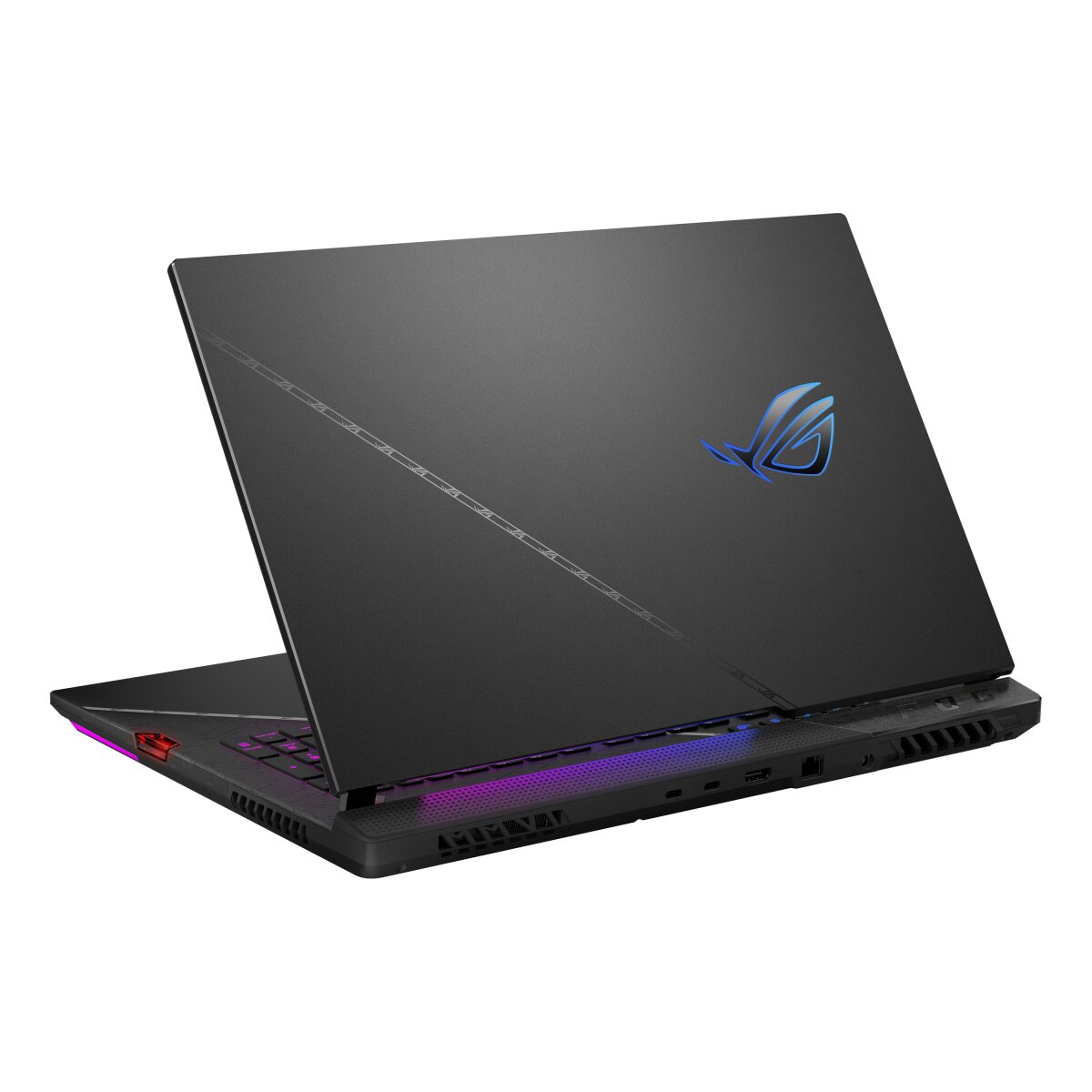
The ASUS ROG Strix SCAR 17 G733ZW-LL103W laptop features DDR5-SDRAM memory upgrade capabilities. The system contains 2x SO-DIMM slots supporting maximum RAM capacity of 64 GB. Compatible memory modules operate at 4800 MHz frequency with SO-DIMM form factor specifications. Users can expand the laptop's memory by replacing or adding DDR5-SDRAM modules to the available slots, subject to manufacturer compatibility guidelines and maximum capacity limitations.
Memory Upgrade Specifications
| Specification | Value |
|---|---|
| Memory slots | 2x SO-DIMM |
| Form factor | SO-DIMM |
| Memory type | DDR5-SDRAM |
| Frequency | 4800 MHz |
| Maximum RAM | 64 GB |
| Voltage | 1.1V |
| Number of pins | 262-pin |
| Interface | PC5 |
| PC Speed Rating | PC5-4800 (PC5-38400) |
| Bandwidth | 38.4 GB/s |
| Laptop Release date | 01 February 2022 |
Additional Notes
- The ASUS ROG G733ZW-LL103W implements DDR5 technology, which operates at higher voltages than DDR4 and requires motherboard chipset compatibility that cannot be retrofitted with older memory generations.
- The 4800 MHz base frequency represents the JEDEC standard specification for DDR5, though this chipset likely supports XMP 3.0 profiles that enable higher speeds if matched modules are installed.
- The 64 GB ceiling indicates dual-channel architecture with 32 GB maximum per module, which limits configuration options to either 2x32 GB or smaller paired capacities.
- SO-DIMM packaging restricts thermal headroom compared to desktop DIMMs, potentially causing throttling during sustained memory-intensive workloads if ambient cooling is insufficient.
- Mixing modules with different speeds will force all installed memory to operate at the slowest module's frequency, eliminating any performance advantage from higher-rated components.
- The dual-slot configuration prevents future expansion beyond the initial installation without removing existing modules, requiring careful capacity planning at the point of upgrade.
- DDR5's on-die ECC operates independently of system-level error correction, providing background data integrity without BIOS configuration but not qualifying as true server-grade protection.
- Non-paired or asymmetric capacity installations will disable dual-channel mode, effectively halving memory bandwidth and creating performance regression in GPU-integrated scenarios.
- Laptop memory upgrades typically maintain warranty validity, though physical damage during installation or use of out-of-specification modules may void coverage under specific manufacturer terms.
- The 4800 MHz specification operates at lower latency ratios than equivalent DDR4 speeds, meaning CL40 DDR5-4800 delivers similar real-world latency to CL20 DDR4-3200 despite higher absolute CAS values.