ASUS ROG G733ZW-LL120W RAM upgrade specifications
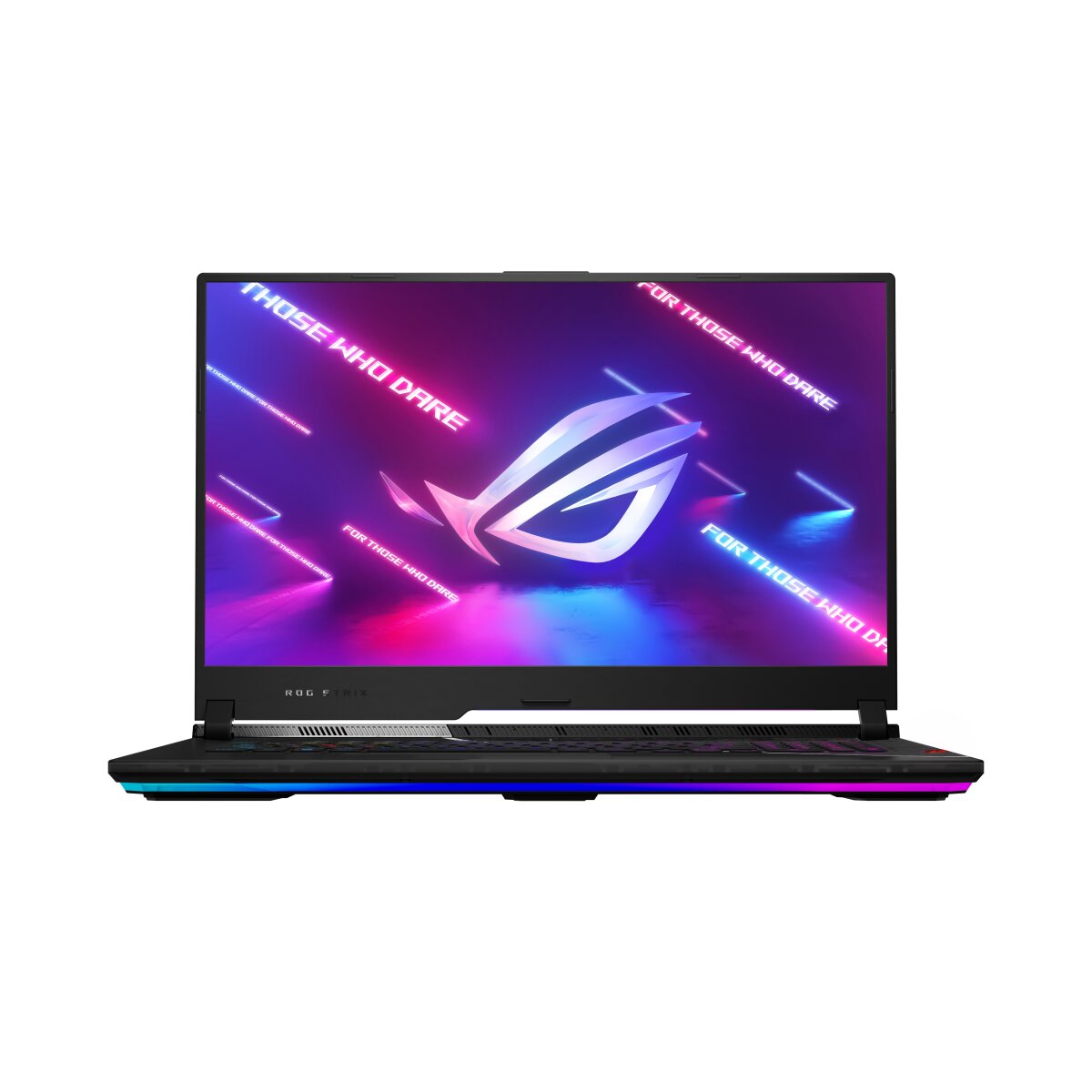
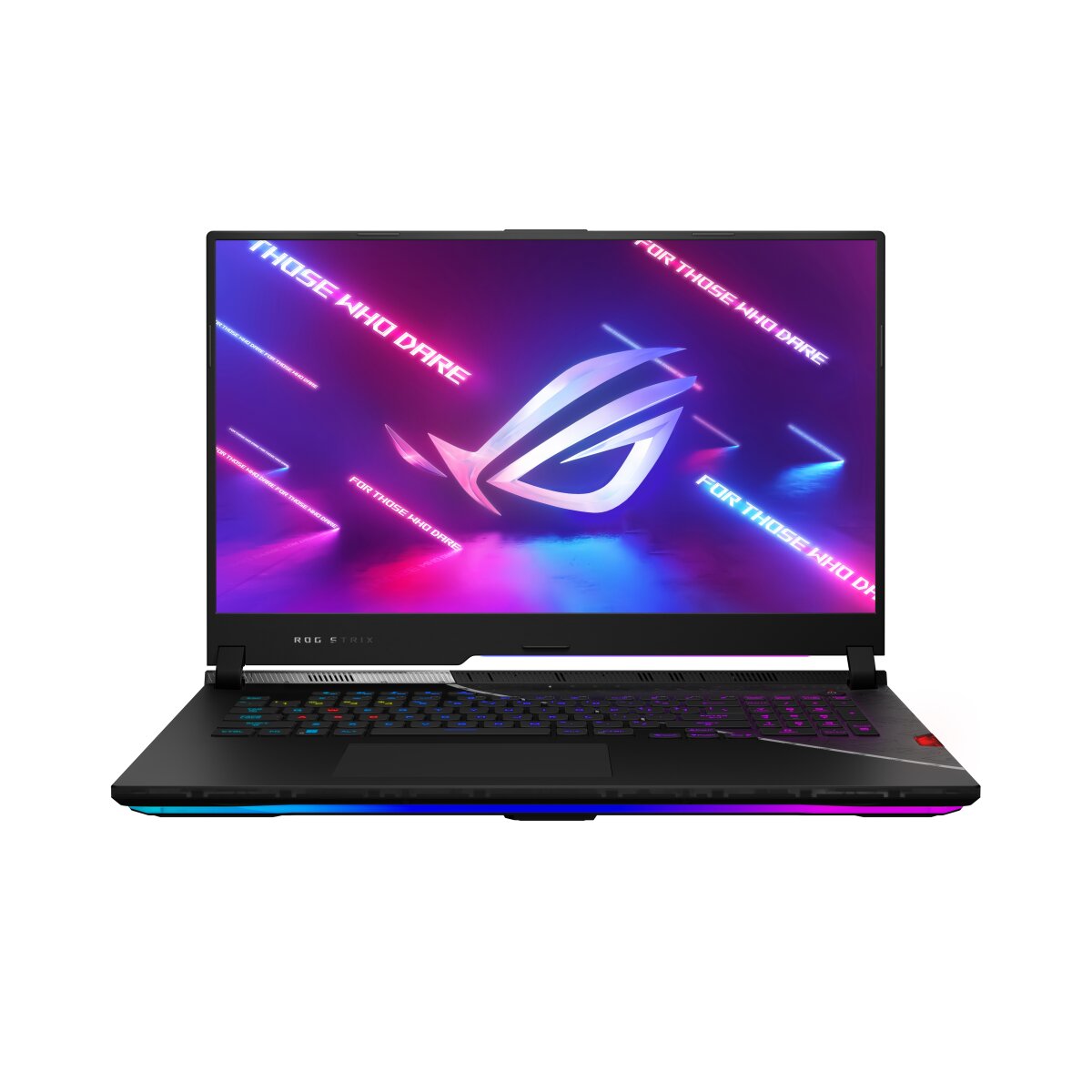


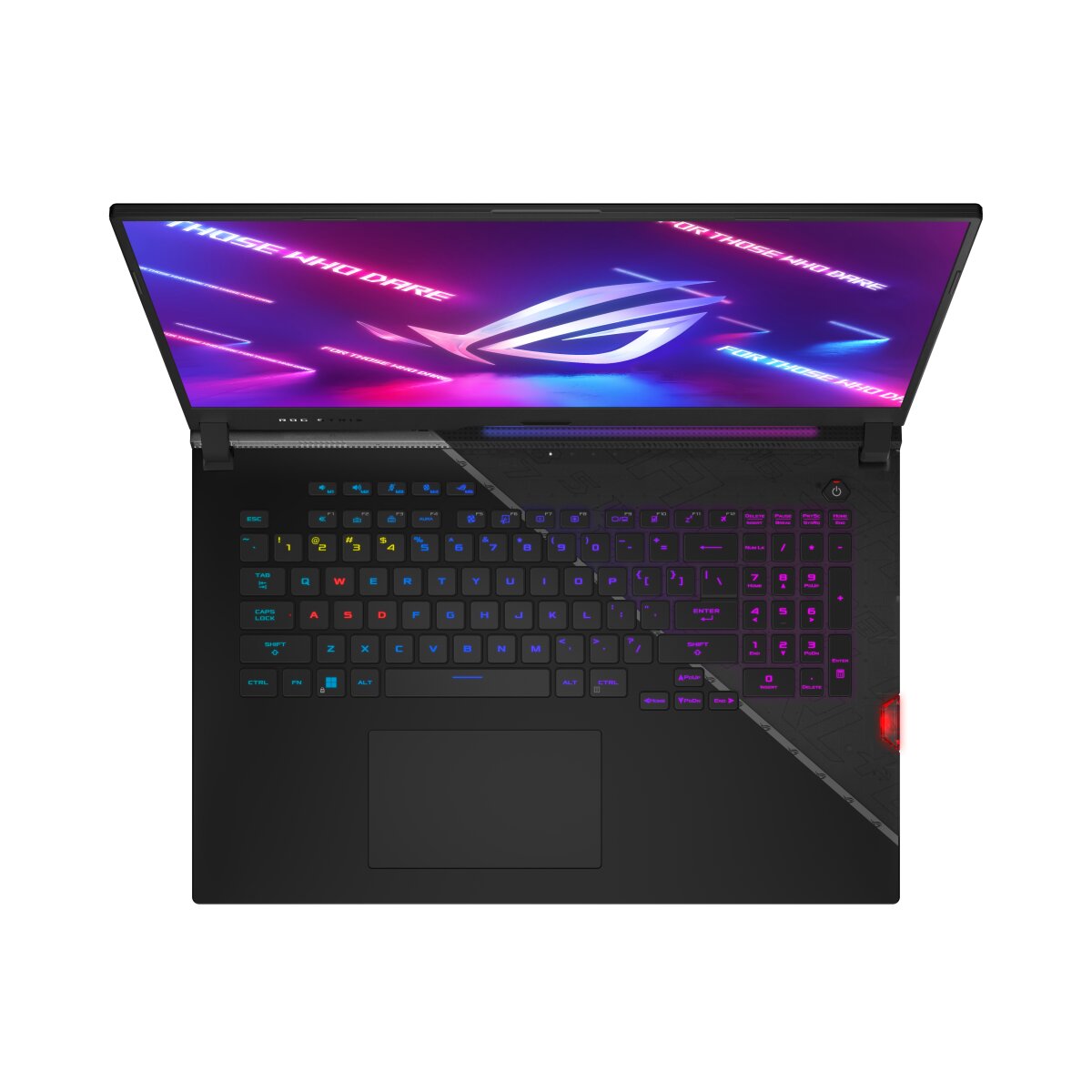
The ASUS ROG Strix SCAR 17 G733ZW-LL120W laptop features DDR5-SDRAM memory upgrades with two SO-DIMM slots supporting maximum capacity of 64 GB. Compatible memory specifications include DDR5 modules operating at 4800 MHz frequency. The upgrade configuration allows for expansion of the existing RAM through the SO-DIMM form factor slots available in this gaming laptop model.
Memory Upgrade Specifications
| Specification | Value |
|---|---|
| Memory slots | 2x SO-DIMM |
| Form factor | SO-DIMM |
| Memory type | DDR5-SDRAM |
| Frequency | 4800 MHz |
| Maximum RAM | 64 GB |
| Voltage | 1.1V |
| Number of pins | 262-pin |
| Interface | PC5 |
| PC Speed Rating | PC5-4800 (PC5-38400) |
| Bandwidth | 38.4 GB/s |
| Laptop Release date | 25 May 2022 |
Additional Notes
- The ASUS ROG G733ZW-LL120W uses DDR5 SO-DIMM architecture, which means only laptop-specific memory modules will fit; desktop DDR5 UDIMM sticks cannot be physically installed regardless of speed rating.
- Upgrading to the 64 GB maximum requires both SO-DIMM slots to be populated with matching 32 GB modules, as the 2-slot configuration does not support asymmetrical capacity pairing beyond basic functionality.
- DDR5-4800 MHz represents the certified specification for this chassis; memory modules rated above 4800 MHz (such as 5600 or 6400) will downclock automatically to maintain stability and may void warranty coverage if native profiles are forced.
- Single-rank versus dual-rank SO-DIMM selection affects memory bandwidth utilization; dual-rank modules will saturate the 2-slot bus more effectively but generate incrementally higher thermal load on the integrated memory controller.
- SO-DIMM modules occupy minimal physical space adjacent to the processor; installation requires disassembly of the base panel, and thermal pads or heatspreaders on replacement modules may interfere with existing internal cabling or system airflow paths.
- A memory upgrade from stock configuration to 64 GB requires replacement of both existing modules rather than addition of a single new stick, creating disposal responsibility for the original memory hardware.