ASUS ROG G733ZW-XS96 RAM upgrade specifications


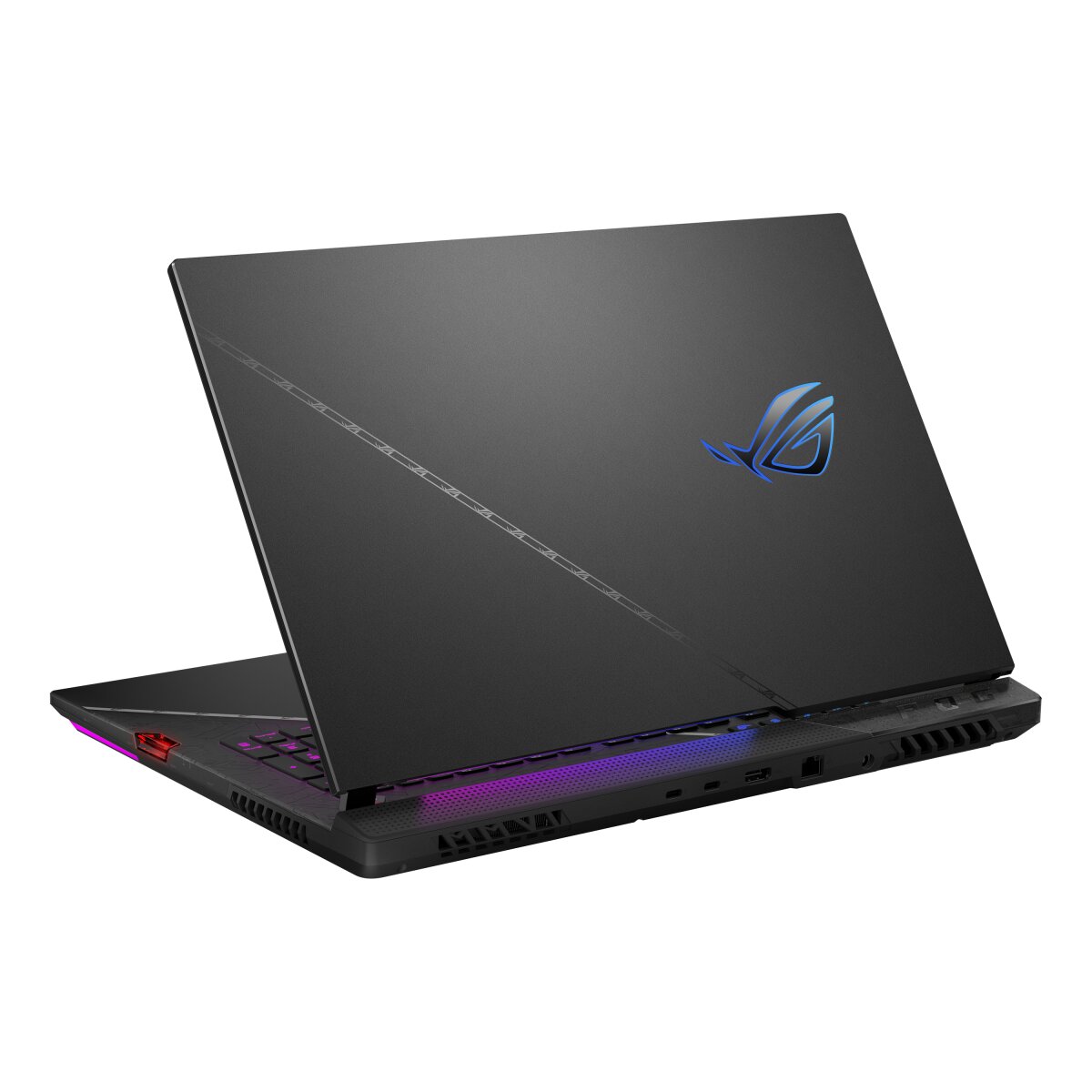
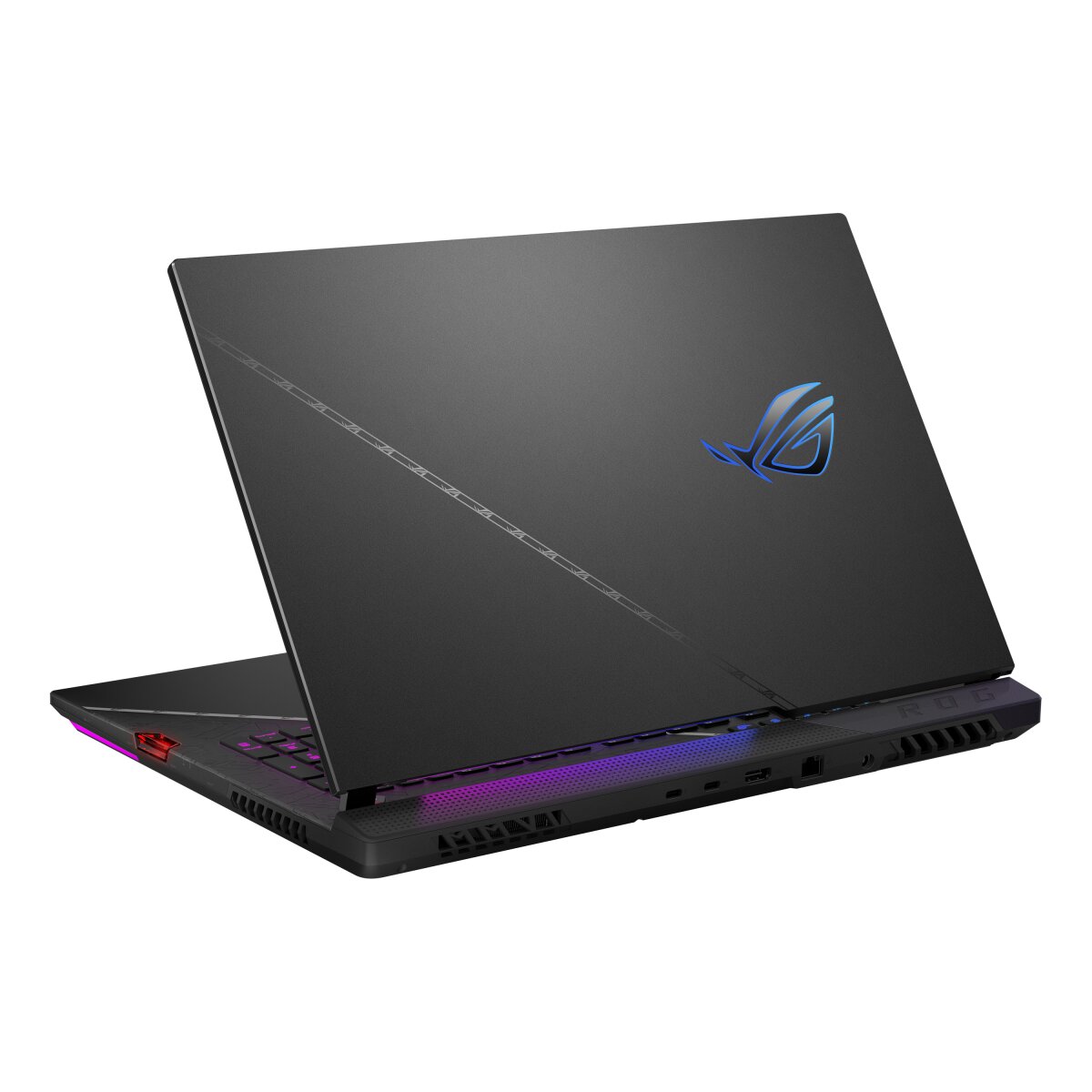
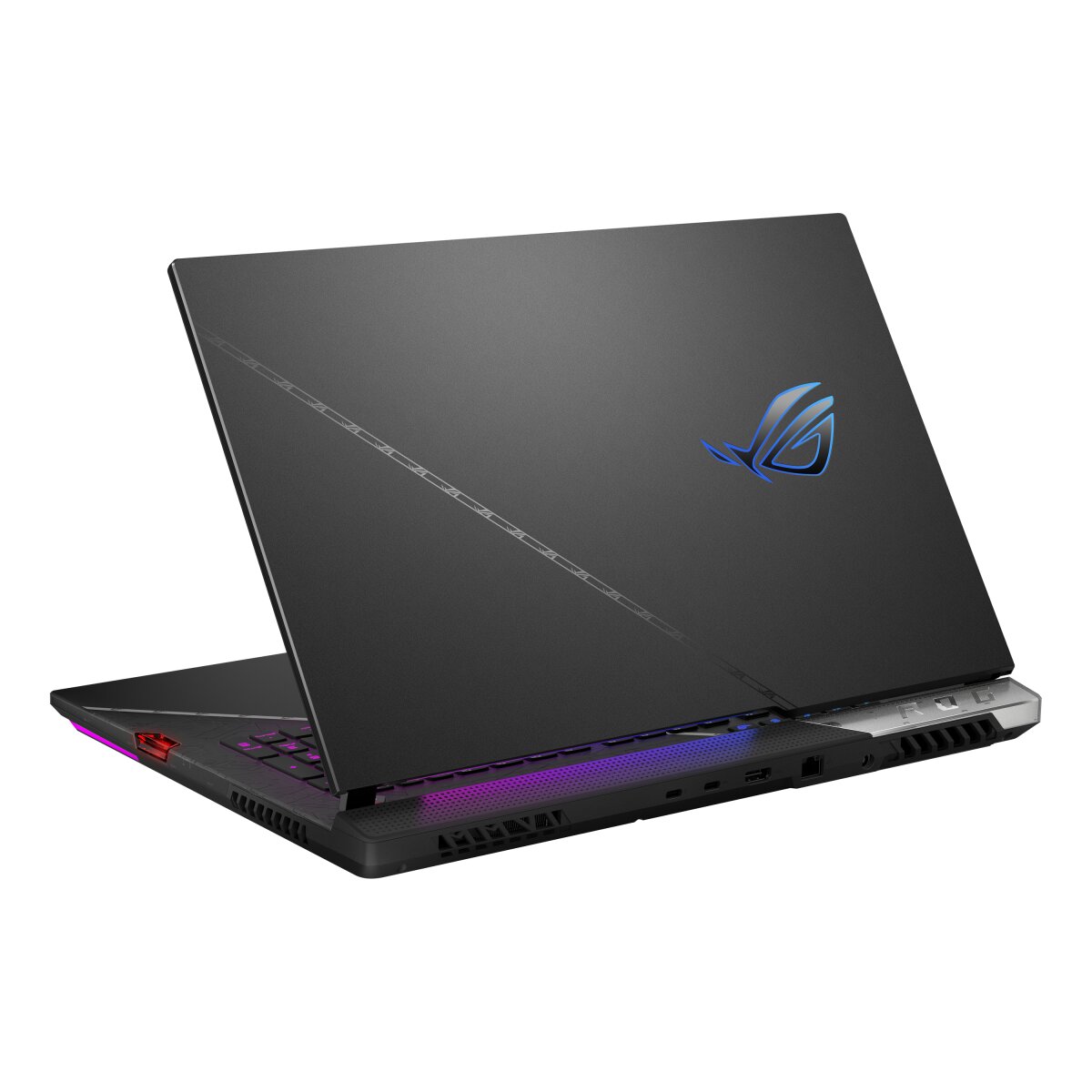
The ASUS ROG Strix SCAR 17 G733ZW-XS96 features two SO-DIMM slots supporting DDR5-SDRAM memory upgrades. Maximum RAM capacity reaches 64 GB with DDR5-4800 MHz specifications. The laptop's memory upgrade specifications are compatible with standard SO-DIMM DDR5 modules, allowing users to expand the system's RAM capacity up to the maximum supported configuration for enhanced multitasking and performance capabilities.
Memory Upgrade Specifications
| Specification | Value |
|---|---|
| Memory slots | 2x SO-DIMM |
| Form factor | SO-DIMM |
| Memory type | DDR5-SDRAM |
| Frequency | 4800 MHz |
| Maximum RAM | 64 GB |
| Voltage | 1.1V |
| Number of pins | 262-pin |
| Interface | PC5 |
| PC Speed Rating | PC5-4800 (PC5-38400) |
| Bandwidth | 38.4 GB/s |
| Laptop Release date | 08 March 2022 |
Additional Notes
- The ASUS ROG G733ZW-XS96 requires SO-DIMM modules exclusively, which prevents installation of standard DIMM memory designed for desktop systems.
- DDR5 memory operates at higher voltages and uses different pin configurations compared to DDR4, making previous generation modules physically incompatible with the motherboard slots.
- The 4800 MHz frequency represents the baseline JEDEC standard for DDR5, while higher-clocked modules may downclock to this speed depending on chipset limitations and thermal constraints.
- Dual-channel configuration requires matched pairs of identical capacity modules to achieve optimal memory bandwidth, as asymmetric configurations force single-channel operation on mismatched portions.
- The 64 GB maximum capacity limitation originates from chipset addressing constraints and motherboard trace design, not from physical slot availability.
- SO-DIMM installation in gaming laptops typically requires complete bottom panel removal and possible warranty seal disruption, unlike user-accessible compartment designs.
- DDR5 modules implement on-die ECC internally for data integrity, separate from traditional ECC memory which reports errors to the system.
- Memory bandwidth scales with frequency, meaning 4800 MHz DDR5 delivers approximately 38.4 GB/s per channel in ideal conditions before accounting for latency overhead.
- Thermal throttling can occur with high-density modules in confined laptop chassis, potentially reducing sustained performance below rated specifications during extended workloads.
- JEDEC-compliant modules ensure broader compatibility than XMP/EXPO-profile memory, which may require BIOS support for frequency and timing adjustments.
- Mixing module capacities across slots remains functional but allocates only the smaller capacity from each module for dual-channel operation, with excess running in slower single-channel mode.