ASUS ROG G733ZX-KH004W RAM upgrade specifications


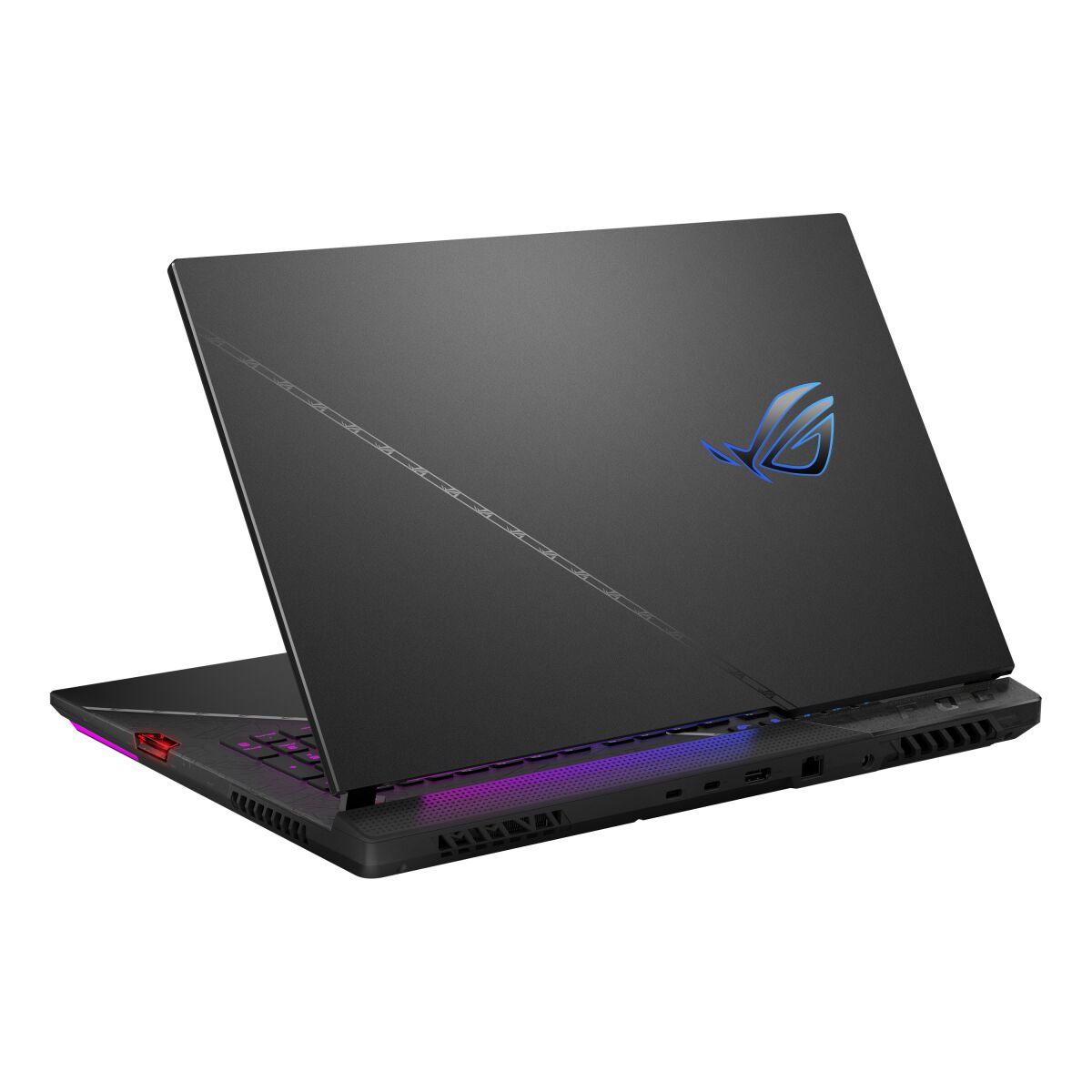
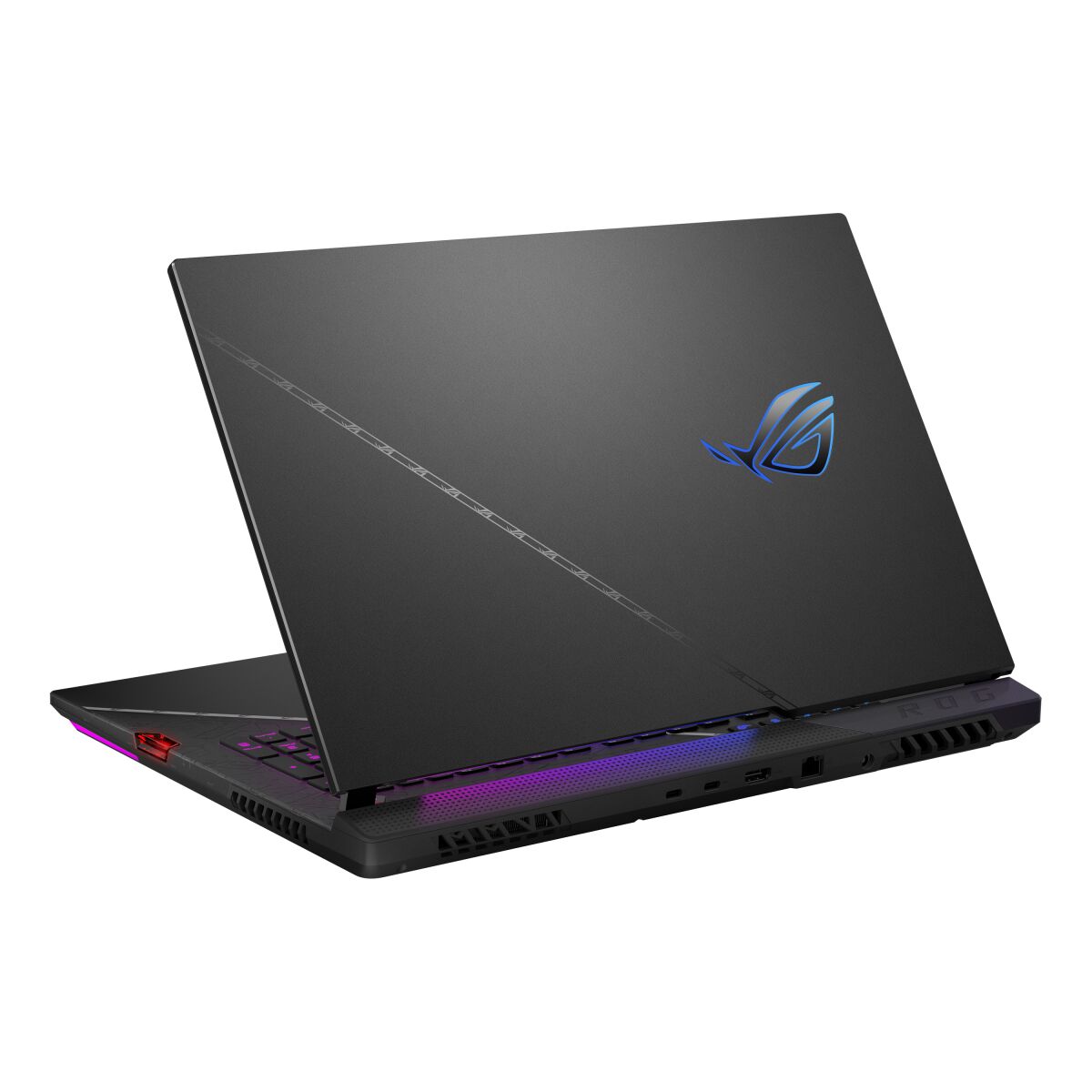
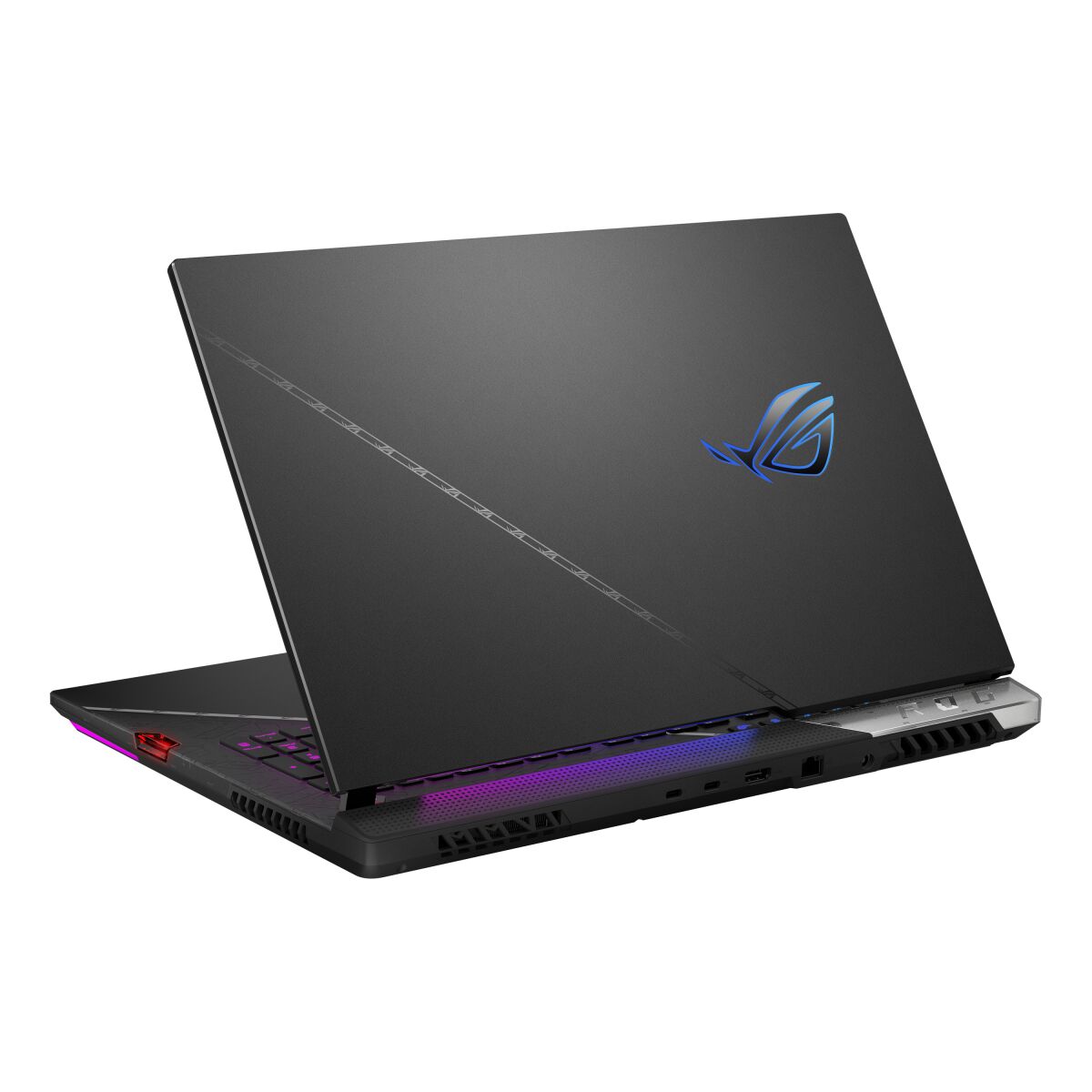
ASUS ROG Strix SCAR 17 G733ZX-KH004W supports DDR5-SDRAM memory upgrades via two SO-DIMM slots. Maximum compatible memory capacity reaches 64 GB total. Memory operates at 4800 MHz frequency specifications. Upgrade configurations utilize SO-DIMM form factor modules. RAM specifications enable enhanced multitasking and gaming performance for the G733ZX-KH004W model within ROG Strix SCAR 17 series.
Memory Upgrade Specifications
| Specification | Value |
|---|---|
| Memory slots | 2x SO-DIMM |
| Form factor | SO-DIMM |
| Memory type | DDR5-SDRAM |
| Frequency | 4800 MHz |
| Maximum RAM | 64 GB |
| Voltage | 1.1V |
| Number of pins | 262-pin |
| Interface | PC5 |
| PC Speed Rating | PC5-4800 (PC5-38400) |
| Bandwidth | 38.4 GB/s |
| Laptop Release date | 31 January 2022 |
Additional Notes
- The ASUS ROG G733ZX-KH004W supports dual-channel memory architecture through its 2 SO-DIMM slots, enabling doubled theoretical bandwidth compared to single-channel configurations when matched modules are installed.
- DDR5 modules operating at 4800 MHz deliver 38.4 GB/s bandwidth per channel, resulting in 76.8 GB/s aggregate throughput when both slots are populated with identical specifications.
- The 64 GB maximum capacity requires 32 GB modules in each slot, which may limit availability compared to more common 16 GB densities in the DDR5 SO-DIMM market.
- DDR5 memory mandates on-die ECC and integrated voltage regulation, creating potential compatibility issues with DDR4 modules despite physical slot similarities.
- The 4800 MHz frequency represents JEDEC baseline specification for DDR5, suggesting the system controller may support higher XMP or overclocked speeds if enabled through BIOS settings.
- SO-DIMM form factor restricts upgrade options to laptop-specific modules, eliminating compatibility with standard DIMM desktop memory regardless of electrical specifications.
- Mixing different capacity modules across the two slots remains technically possible but forces the memory controller into asymmetric mode, potentially reducing performance compared to matched pairs.
- DDR5's higher voltage requirements and power management complexity compared to DDR4 may affect thermal performance in sustained memory-intensive workloads within the chassis constraints.
- The dual-slot configuration limits expansion compared to 4-slot systems, requiring complete module replacement rather than incremental additions when upgrading beyond factory-installed capacity.
- Installing non-validated third-party modules risks POST failure or system instability despite meeting published specifications, as laptop manufacturers often implement stricter SPD validation than desktop platforms.