ASUS ROG G733ZX-DS94 RAM upgrade specifications


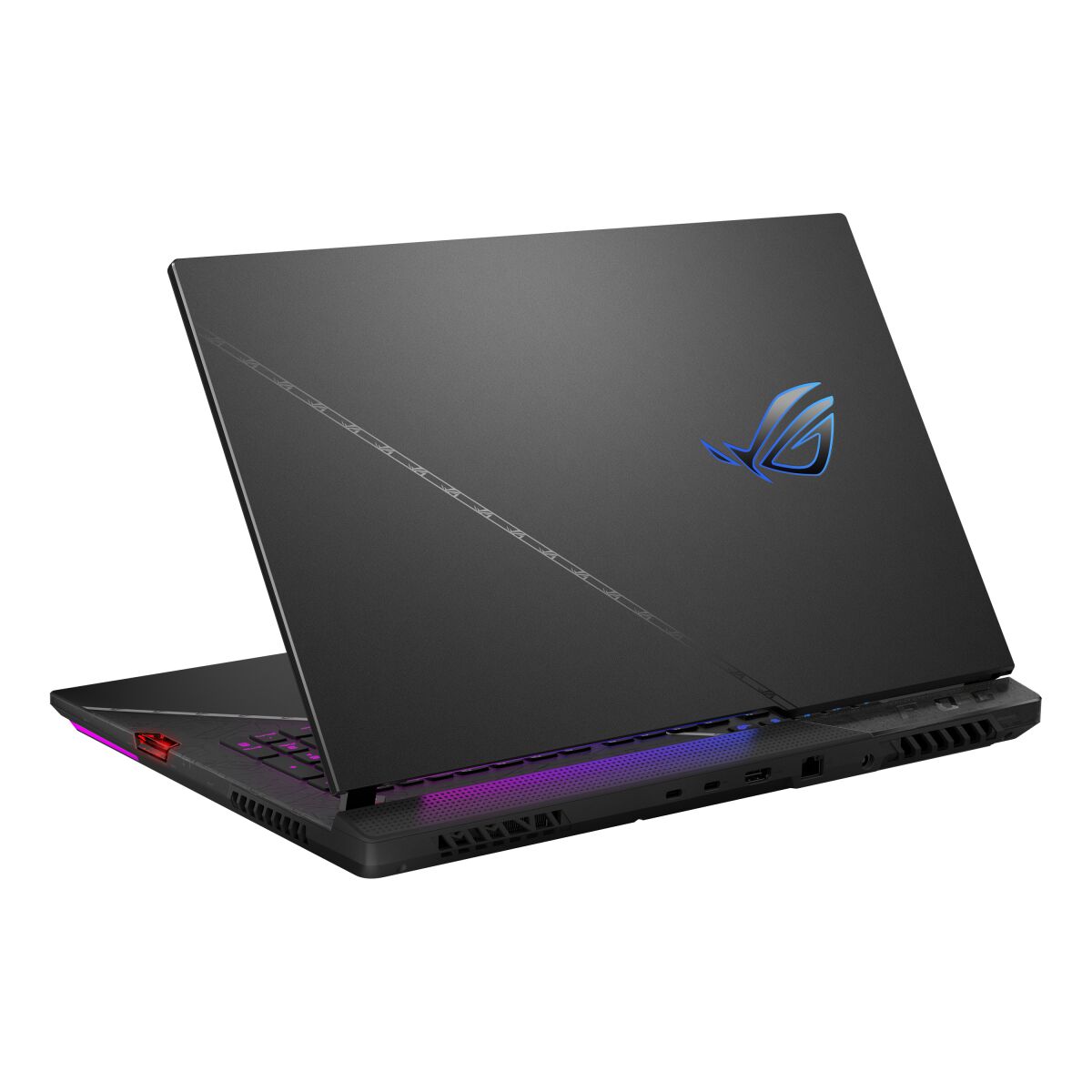
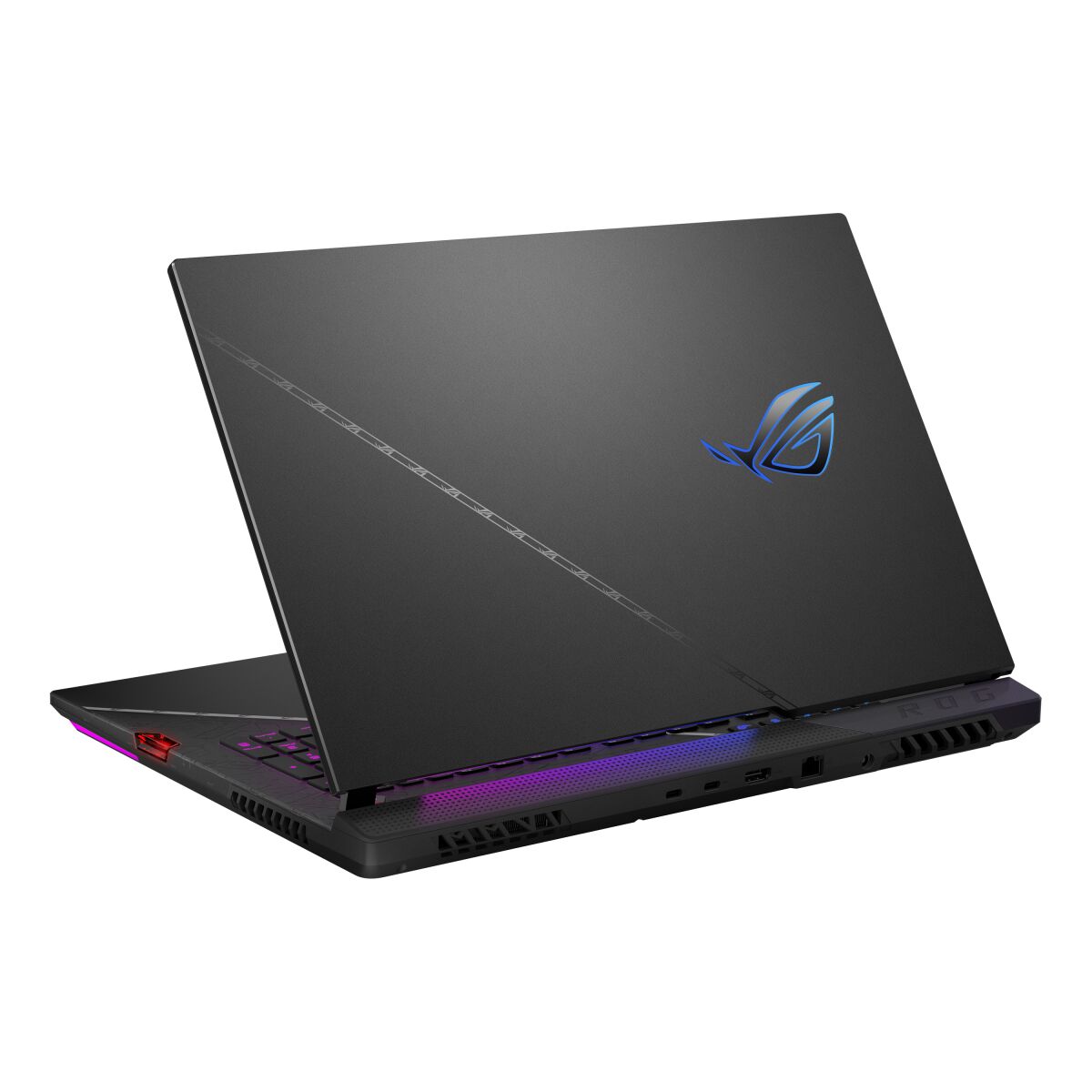
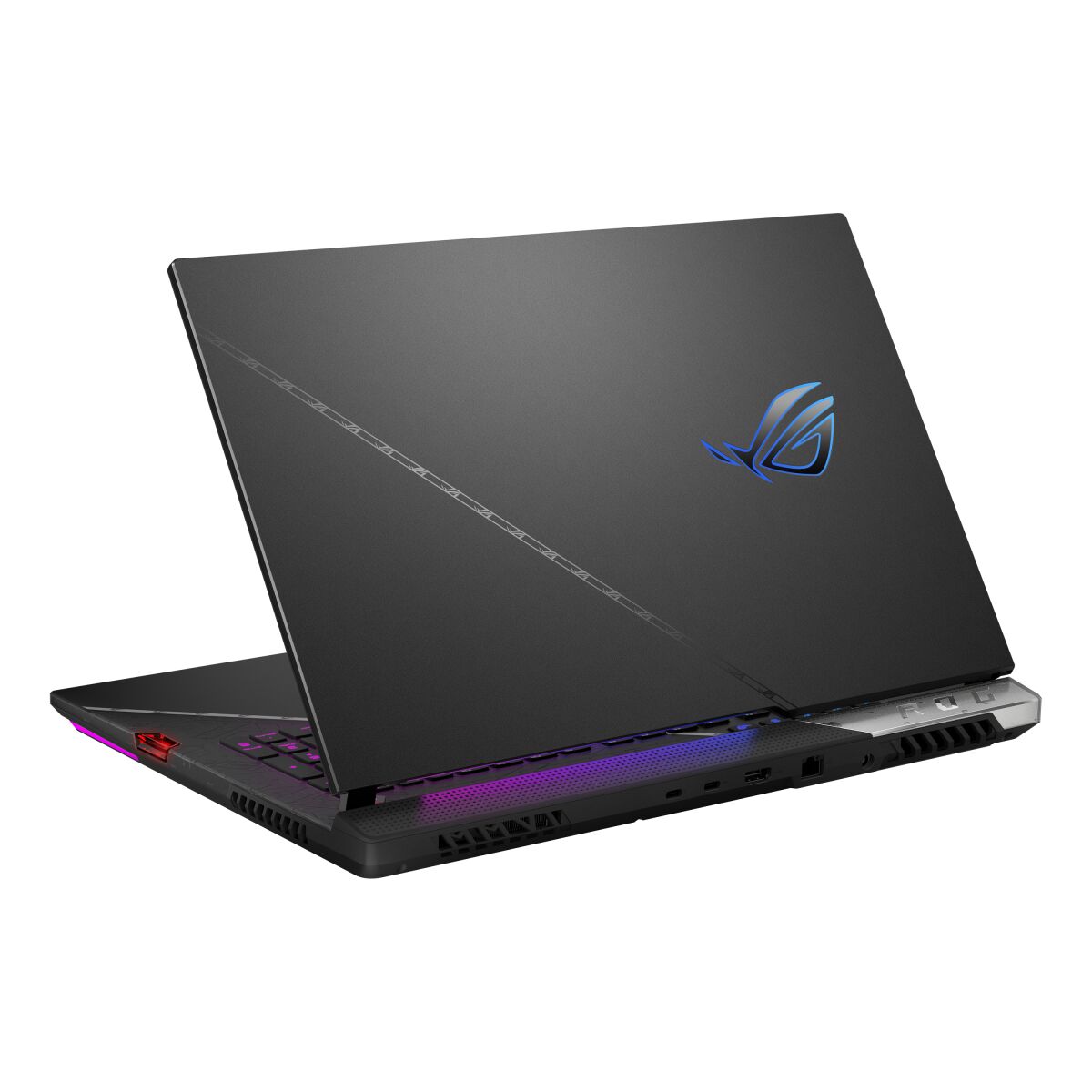
ASUS ROG Strix SCAR 17 G733ZX-DS94 laptop features DDR5-SDRAM memory upgrade capacity with two SO-DIMM slots supporting maximum RAM expansion to 64 GB. Compatible memory modules operate at 4800 MHz frequency specifications. The G733ZX-DS94 model specifications accommodate DDR5 SO-DIMM form factor upgrades for enhanced system performance and multitasking capabilities.
Memory Upgrade Specifications
| Specification | Value |
|---|---|
| Memory slots | 2x SO-DIMM |
| Form factor | SO-DIMM |
| Memory type | DDR5-SDRAM |
| Frequency | 4800 MHz |
| Maximum RAM | 64 GB |
| Voltage | 1.1V |
| Number of pins | 262-pin |
| Interface | PC5 |
| PC Speed Rating | PC5-4800 (PC5-38400) |
| Bandwidth | 38.4 GB/s |
| Laptop Release date | 20 January 2022 |
Additional Notes
- The ASUS ROG G733ZX-DS94 employs DDR5 SO-DIMM modules, which are physically incompatible with DDR4 slots due to different notch positions and voltage requirements.
- The 4800 MHz specification represents JEDEC standard speed for DDR5, while higher frequencies require XMP or EXPO profile support from the motherboard chipset.
- Dual-channel architecture requires matched module pairs for optimal bandwidth utilization, as asymmetric configurations may force single-channel operation.
- The 64 GB maximum capacity indicates chipset and BIOS limitations that prevent recognition of higher-density modules beyond 32 GB per slot.
- SO-DIMM form factor restricts thermal headroom compared to desktop DIMMs, potentially limiting sustained performance under extended high-frequency operations.
- DDR5 operates at 1.1V compared to DDR4's 1.2V, reducing power consumption but requiring compatible voltage regulation circuitry on the motherboard.
- Installation requires accessing the bottom panel or keyboard assembly, where improper disassembly may void manufacturer warranty coverage.
- Native 4800 MHz operation eliminates overclocking risks associated with higher-speed modules that depend on unstable profile loading.
- The 2-slot configuration prevents future expansion beyond the initial upgrade without replacing existing modules entirely.
- DDR5's on-die ECC architecture provides internal error correction unavailable in DDR4, though this differs from full server-grade ECC functionality.