ASUS ROG G733ZX-KH004X RAM upgrade specifications


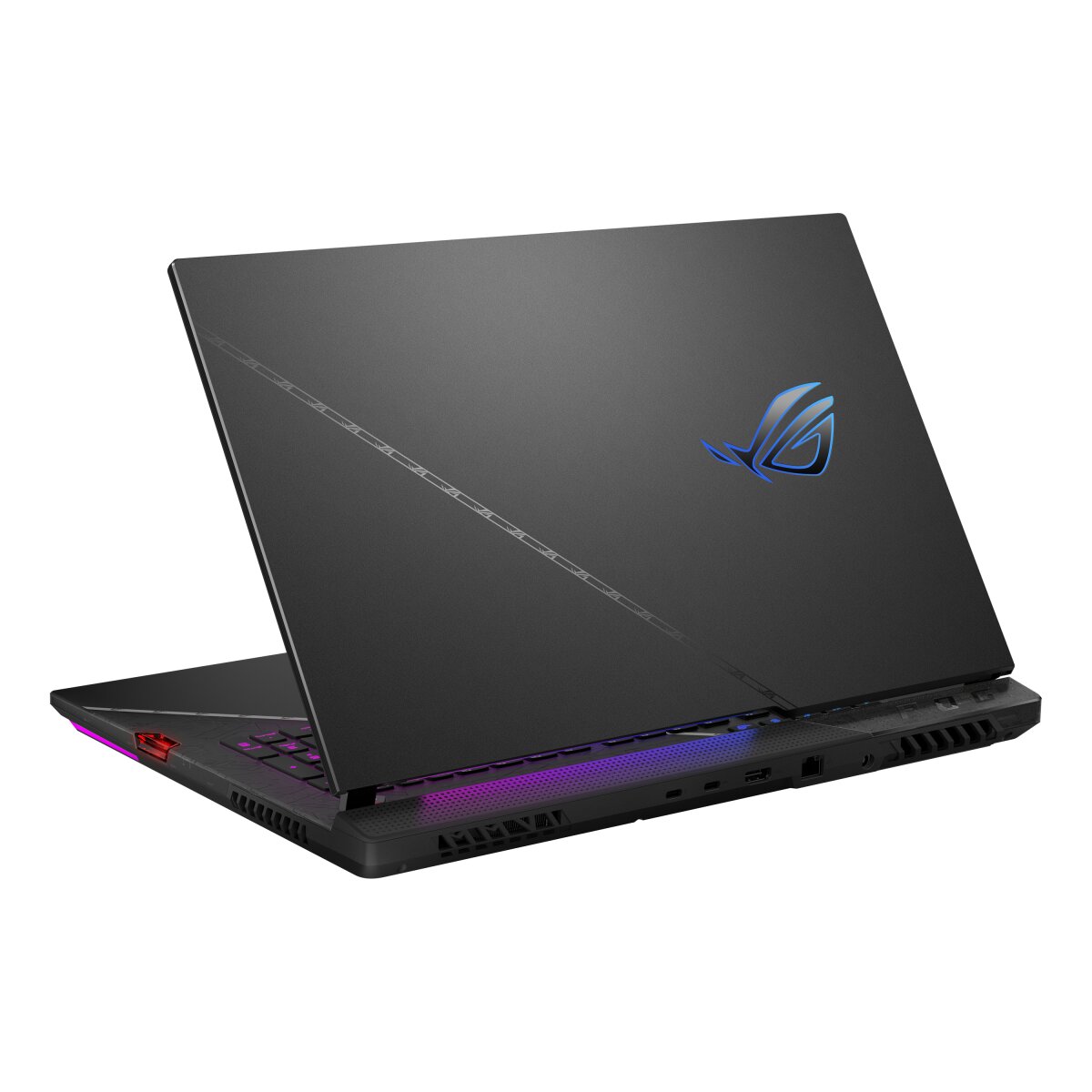
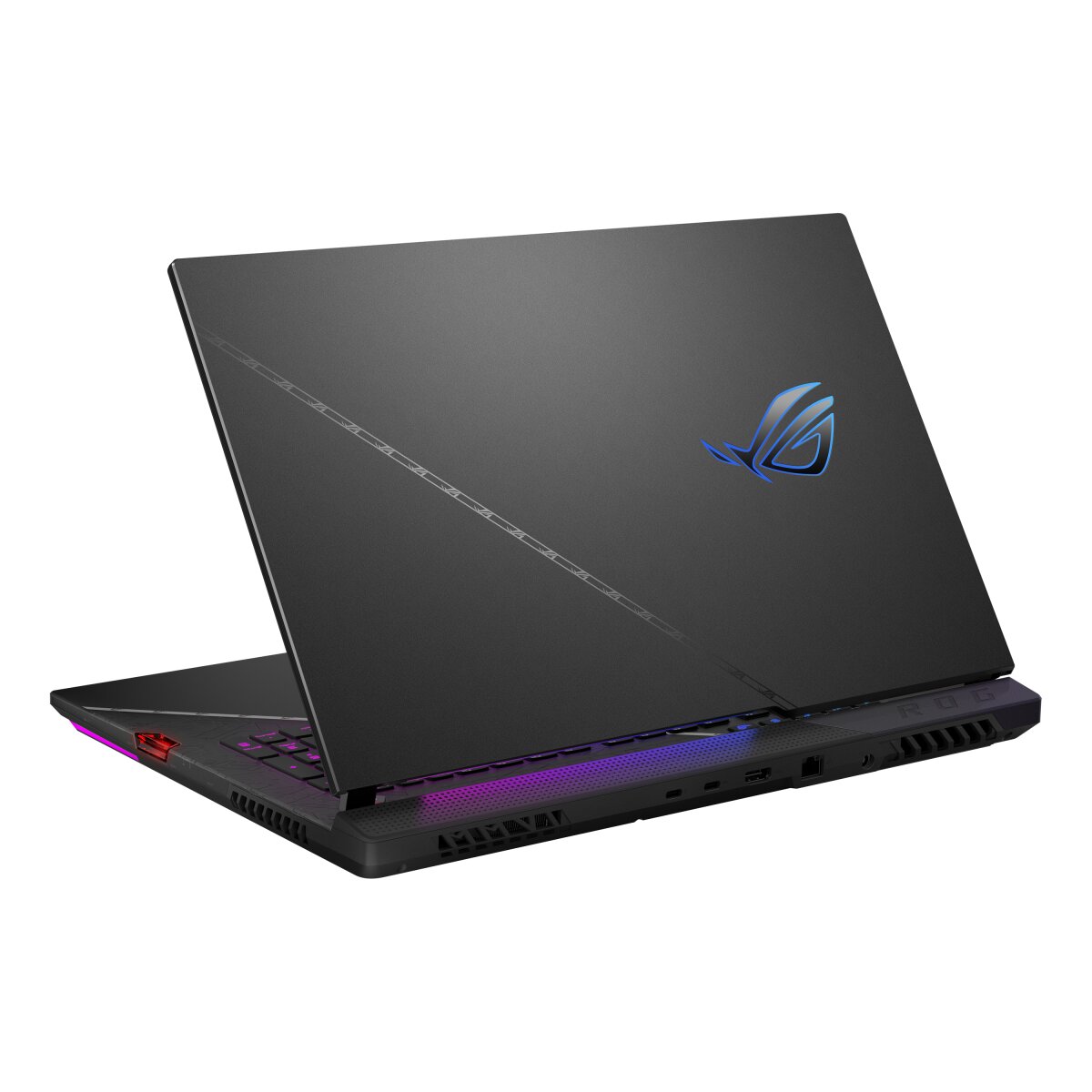
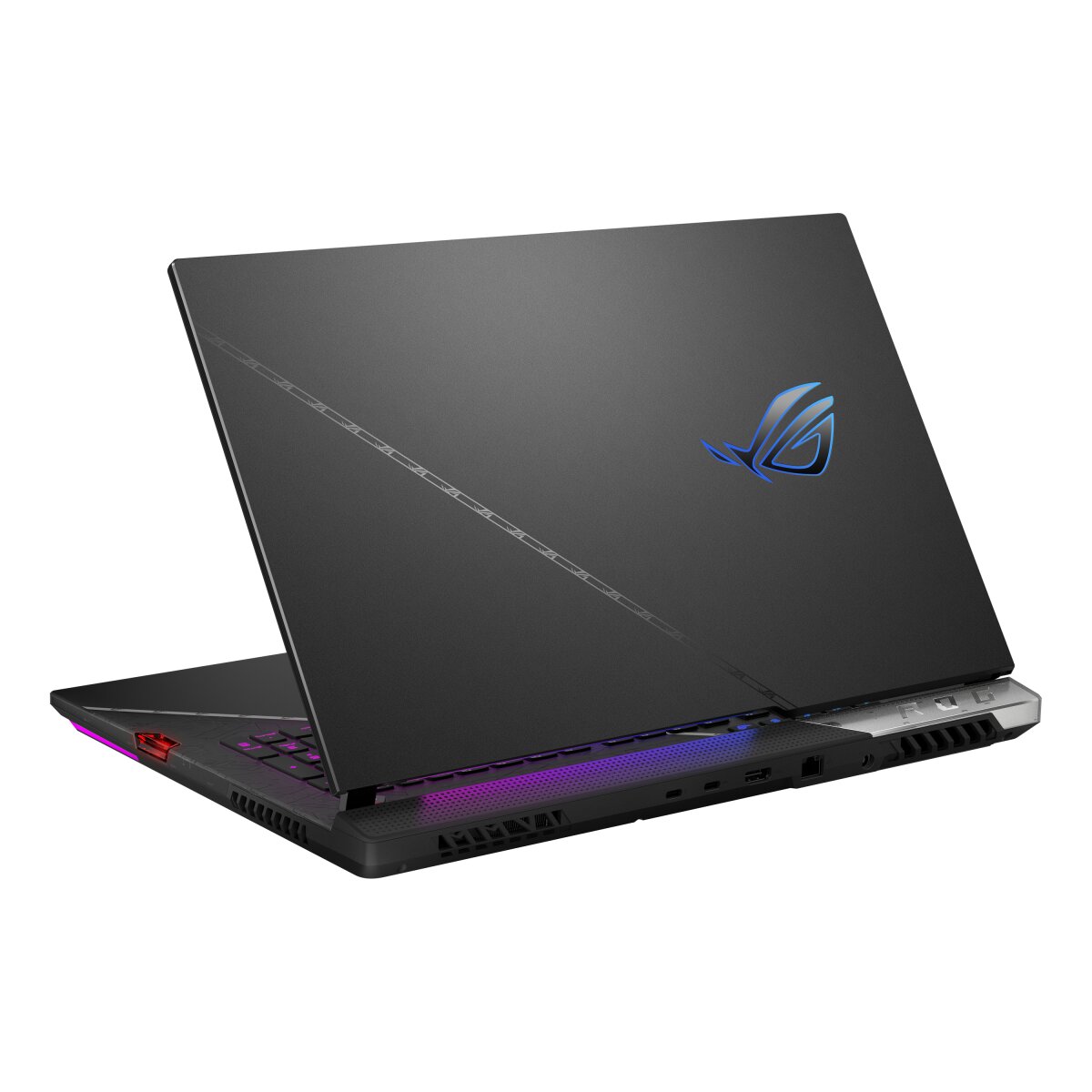
The ASUS ROG Strix SCAR 17 G733ZX-KH004X laptop features two SO-DIMM slots supporting DDR5-SDRAM memory modules. Maximum memory capacity reaches 64 GB, with compatible modules operating at 4800 MHz frequency. The upgrade specifications enable installation of high-performance RAM to enhance multitasking and gaming performance on the gaming-focused platform.
Memory Upgrade Specifications
| Specification | Value |
|---|---|
| Memory slots | 2x SO-DIMM |
| Form factor | SO-DIMM |
| Memory type | DDR5-SDRAM |
| Frequency | 4800 MHz |
| Maximum RAM | 64 GB |
| Voltage | 1.1V |
| Number of pins | 262-pin |
| Interface | PC5 |
| PC Speed Rating | PC5-4800 (PC5-38400) |
| Bandwidth | 38.4 GB/s |
| Laptop Release date | 31 May 2022 |
Additional Notes
- The ASUS ROG G733ZX-KH004X contains 2 SO-DIMM slots with a hard ceiling of 64 GB total capacity, meaning maximum single-module density is 32 GB per slot to reach the system limit.
- DDR5-4800 MHz memory operates at a significantly higher bandwidth ceiling than DDR4 equivalents, requiring compatible SO-DIMM modules explicitly rated for DDR5 standards; DDR4 modules are physically incompatible and will not function in these slots.
- SO-DIMM form factor constrains upgrades to laptop-specific memory modules only; desktop DDR5 DIMM modules cannot be installed regardless of frequency or capacity specifications.
- The 2-slot architecture means both populated memory positions are upgradeable, but single-channel performance occurs if only 1 module is installed; dual-channel bandwidth requires both slots to have compatible modules with identical capacity and timing specifications.
- Warranty-safe memory upgrades depend on obtaining DDR5 SO-DIMM modules rated for 4800 MHz or lower; exceeding manufacturer-specified maximum frequency may void coverage even if physical installation succeeds.
- The 64 GB ceiling suggests the system uses a processor with memory controller limitations; upgrading to DDR5 modules exceeding native 4800 MHz speeds introduces compatibility risk without guaranteed speed benefit beyond this threshold.