ASUS ROG G834JYR-N6090W RAM upgrade specifications

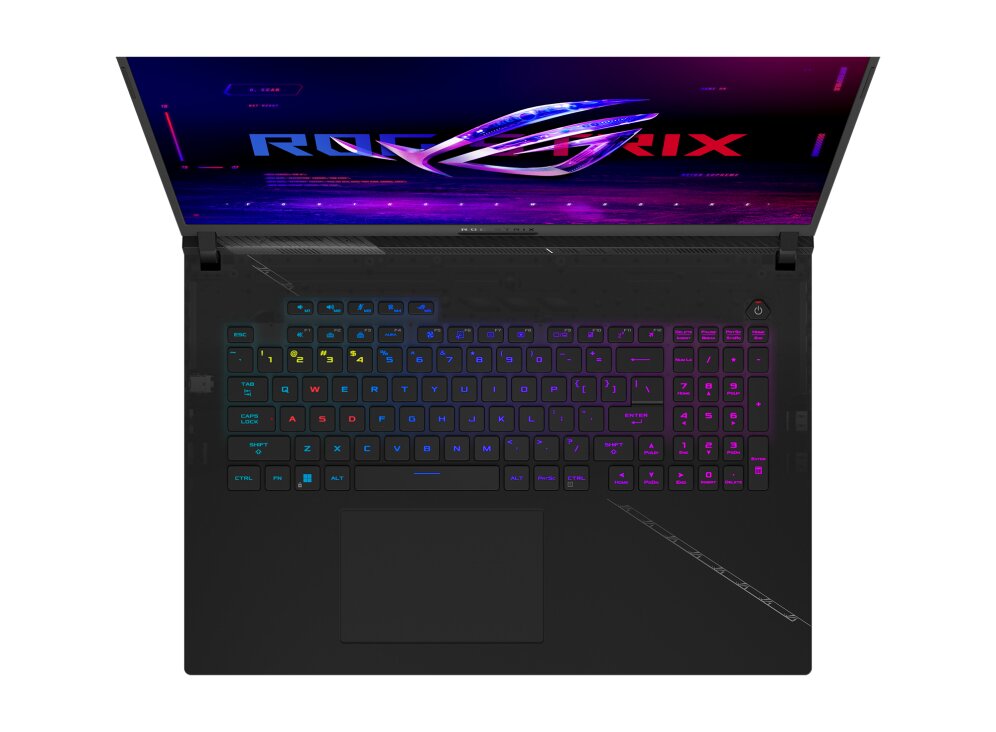



ASUS ROG Strix SCAR 18 model G834JYR-N6090W supports DDR5-SDRAM memory upgrade specifications. The laptop features 2x SO-DIMM slots with maximum compatible RAM capacity of 64 GB total. Memory operates at 5600 MHz frequency. Upgrade path allows installation of DDR5 SO-DIMM modules to enhance system performance and multitasking capabilities on gaming-focused specifications.
Memory Upgrade Specifications
| Specification | Value |
|---|---|
| Memory slots | 2x SO-DIMM |
| Form factor | SO-DIMM |
| Memory type | DDR5-SDRAM |
| Frequency | 5600 MHz |
| Maximum RAM | 64 GB |
| Voltage | 1.1V |
| Number of pins | 262-pin |
| Interface | PC5 |
| PC Speed Rating | PC5-5600 (PC5-44800) |
| Bandwidth | 44.8 GB/s |
Additional Notes
- The ASUS ROG G834JYR-N6090W accepts only SO-DIMM modules, which eliminates standard desktop DIMM compatibility and narrows the available upgrade inventory compared to larger form factor systems.
- DDR5-SDRAM architecture operates at significantly lower voltage than DDR4, preventing any backward compatibility with previous generation modules regardless of physical socket alignment.
- The 64 GB ceiling requires 2 modules of 32 GB each to reach full capacity, as splitting across 2 slots leaves no expansion room for incremental upgrades beyond initial installation.
- Native 5600 MHz frequency support indicates the memory controller can handle bandwidth up to 89.6 GB/s in dual-channel configuration, provided matched module pairs are installed.
- Mixing modules with different speeds or timings may force the system to downclock all memory to the lowest common denominator, potentially sacrificing performance in bandwidth-sensitive workloads.
- SO-DIMM installation typically requires bottom panel removal and may void certain warranty terms if performed by unauthorized personnel, depending on regional consumer protection laws.
- Single-channel operation with only 1 populated slot cuts memory bandwidth in half, creating bottlenecks in applications that leverage concurrent read/write operations or large dataset transfers.
- DDR5's on-die ECC feature operates independently of system-level ECC support, providing error correction at the DRAM level without requiring specific motherboard capabilities.
- Thermal constraints in compact laptop chassis may throttle sustained memory performance if modules lack integrated heat spreaders or if ambient cooling proves insufficient during extended high-load scenarios.
- XMP or EXPO profile compatibility depends on BIOS implementation, meaning advertised speeds above JEDEC standards may require manual configuration or may remain inaccessible on locked firmware.