ASUS ROG G834JYR-N6098-GAMING RAM upgrade specifications
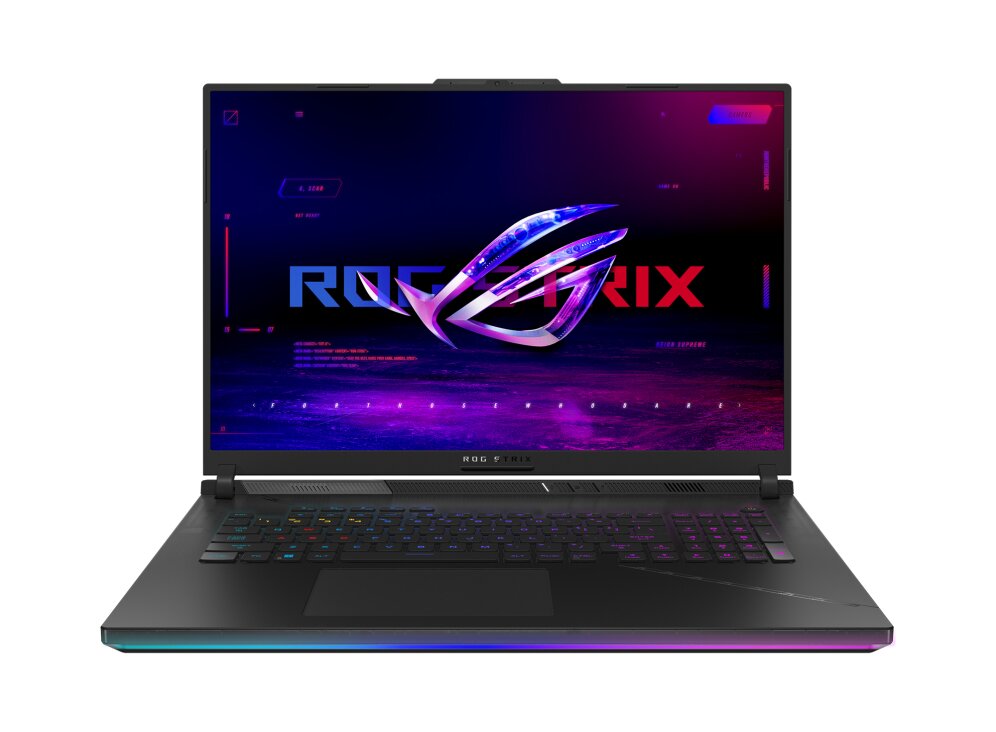
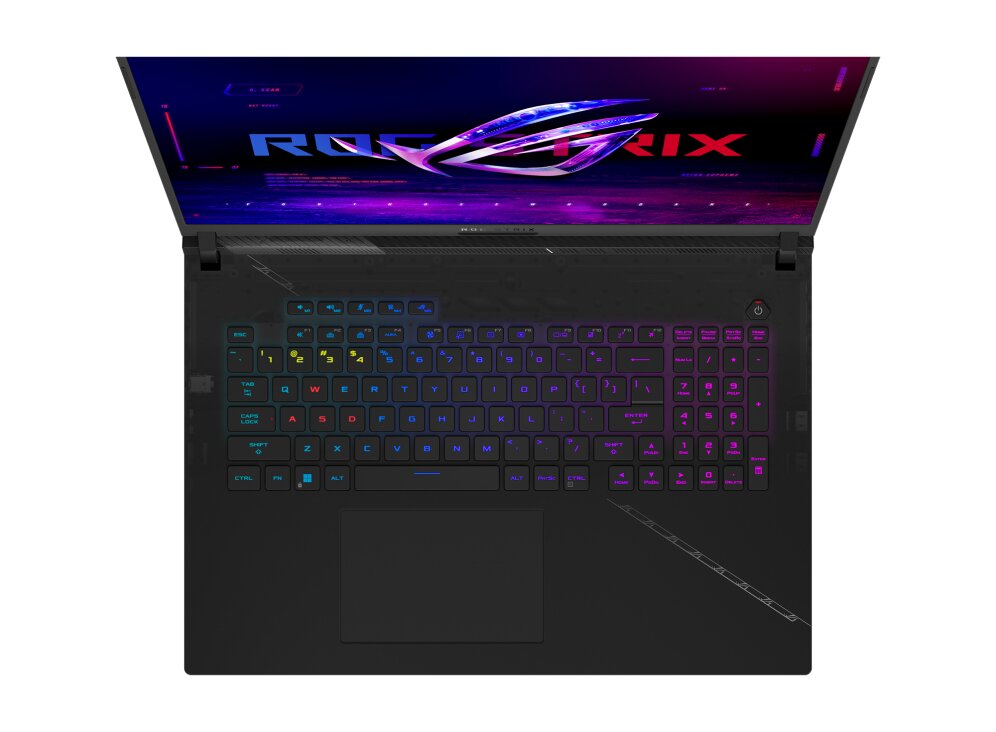
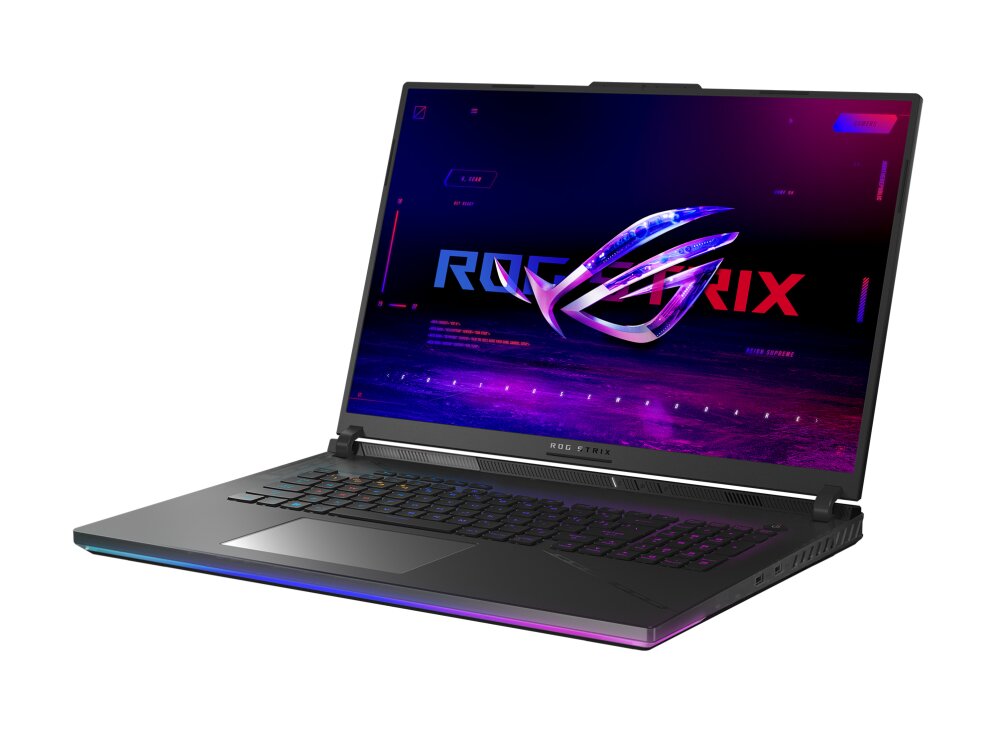
The ASUS ROG Strix SCAR 18 G834JYR-N6098-GAMING gaming laptop features DDR5-SDRAM memory upgrade specifications. The system contains 2x SO-DIMM memory slots with a maximum RAM capacity of 64 GB. Compatible memory modules operate at 5600 MHz frequency and utilize SO-DIMM form factor. The upgrade specifications support DDR5 technology, enabling high-speed memory performance for demanding applications and multitasking operations on the ASUS ROG Strix SCAR 18 series.
Memory Upgrade Specifications
| Specification | Value |
|---|---|
| Memory slots | 2x SO-DIMM |
| Form factor | SO-DIMM |
| Memory type | DDR5-SDRAM |
| Frequency | 5600 MHz |
| Maximum RAM | 64 GB |
| Voltage | 1.1V |
| Number of pins | 262-pin |
| Interface | PC5 |
| PC Speed Rating | PC5-5600 (PC5-44800) |
| Bandwidth | 44.8 GB/s |
Additional Notes
- DDR5 SO-DIMM architecture in the ASUS ROG G834JYR-N6098-GAMING restricts upgrade sourcing to mobile-grade modules rather than desktop equivalents, limiting supplier availability and increasing per-gigabyte acquisition cost relative to standard DDR5 desktop RAM.
- The 2-slot configuration produces a critical bandwidth ceiling: reaching maximum 64 GB capacity requires dual 32 GB modules, eliminating the capacity flexibility of systems with 4 or more slots where staged upgrades are feasible without removing existing modules.
- 5600 MHz native frequency support constrains module selection to higher-latency or lower-speed alternatives if DDR5-5600 stock is unavailable; backward-compatible lower-frequency modules will downclock the entire memory subsystem, reducing effective latency advantage over DDR4 systems.
- SO-DIMM physical dimensions (67.6 x 30 mm) require verification of heatspreader height compatibility with integrated cooling solutions or lid clearance; aftermarket modules with enhanced thermal designs may exceed available clearance space despite electrical compatibility.
- Upgrading from baseline configuration to 64 GB requires simultaneous replacement of both slots; partial capacity augmentation is impossible, necessitating retention or resale of original modules rather than stacking additions.
- Maximum 64 GB capacity on a 2-slot platform creates hard performance limits for memory-intensive workloads; expansion beyond this threshold requires full system replacement rather than incremental upgrades available on multi-slot motherboards.