ASUS ROG G834JZ-NEBULA020W RAM upgrade specifications
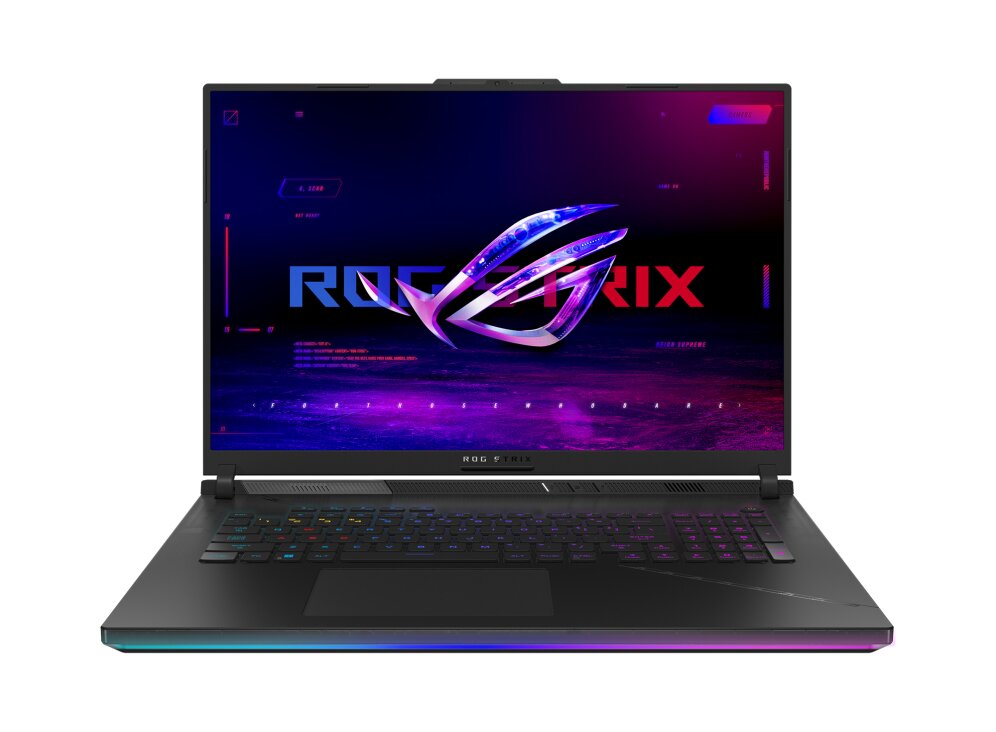
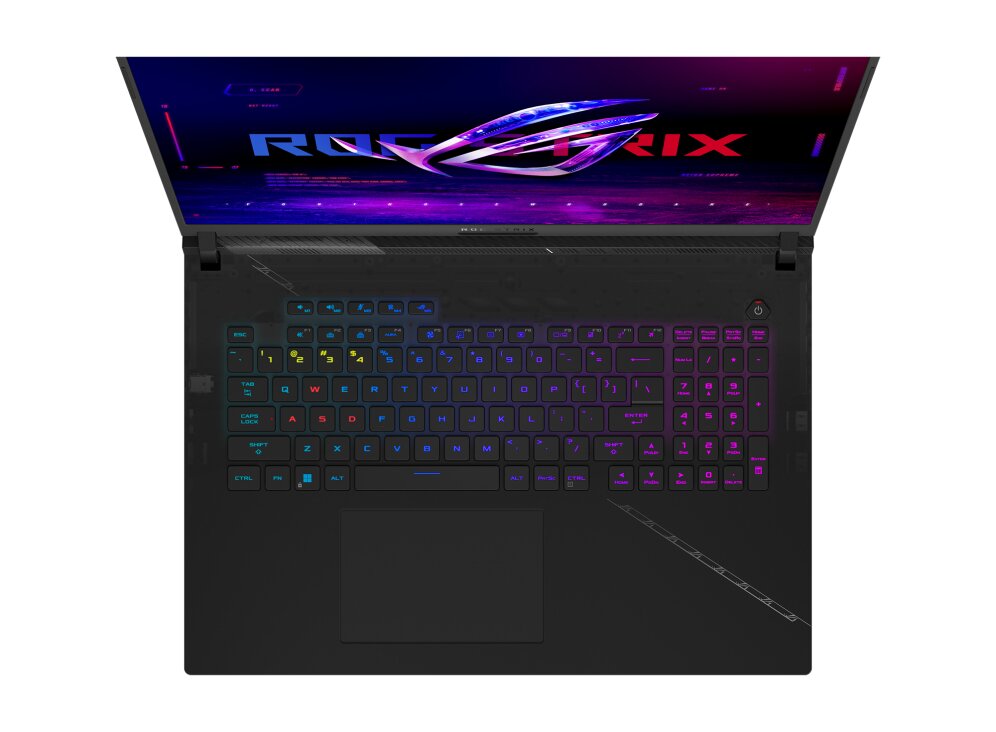
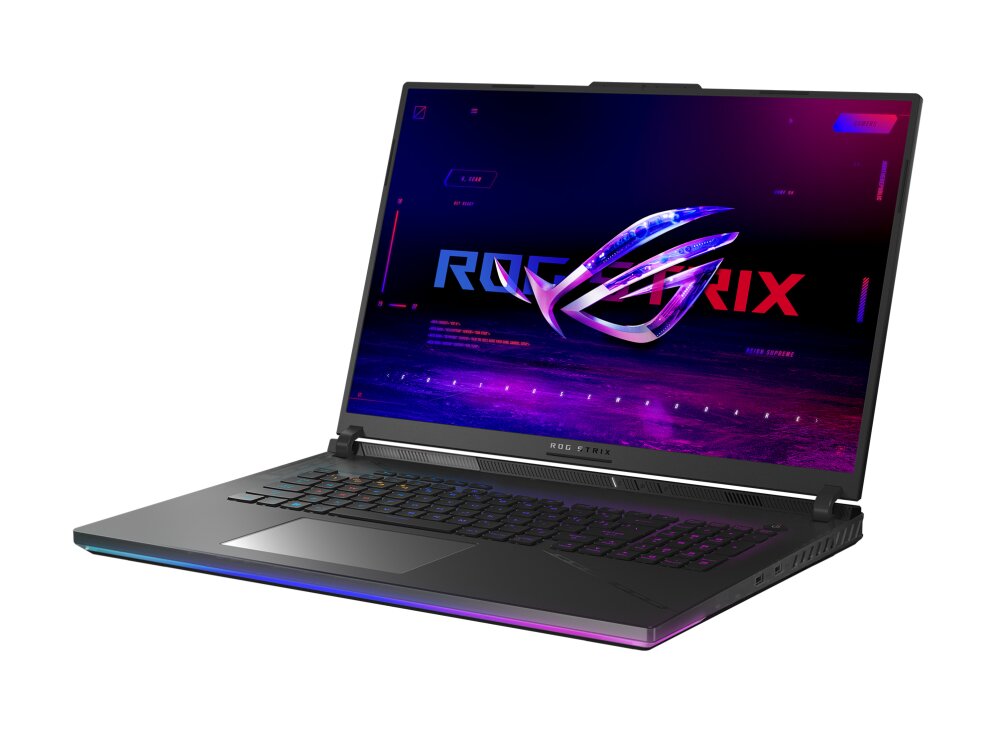
ASUS ROG Strix SCAR 18 G834JZ-NEBULA020W specifications indicate DDR5-SDRAM memory upgrade capability. The laptop features 2x SO-DIMM slots supporting maximum RAM capacity of 64 GB. Compatible memory modules operate at 4800 MHz frequency. Specifications support DDR5 SO-DIMM form factor upgrades for enhanced system performance and multitasking capacity.
Memory Upgrade Specifications
| Specification | Value |
|---|---|
| Memory slots | 2x SO-DIMM |
| Form factor | SO-DIMM |
| Memory type | DDR5-SDRAM |
| Frequency | 4800 MHz |
| Maximum RAM | 64 GB |
| Voltage | 1.1V |
| Number of pins | 262-pin |
| Interface | PC5 |
| PC Speed Rating | PC5-4800 (PC5-38400) |
| Bandwidth | 38.4 GB/s |
Additional Notes
- The ASUS ROG G834JZ-NEBULA020W platform enforces a 64 GB ceiling across both slots, limiting single-slot configurations to 32 GB modules for maximum capacity utilization.
- DDR5-SDRAM operates exclusively at 1.1V, eliminating voltage compatibility concerns present in previous DDR4 systems where mixing 1.2V and 1.35V modules caused instability.
- SO-DIMM form factor physically prevents installation of standard DIMM modules, requiring laptop-specific memory despite identical DDR5 electrical specifications.
- Native 4800 MHz operation runs at JEDEC base specification rather than overclocked XMP profiles, ensuring stability without BIOS configuration requirements.
- Dual-channel architecture mandates matched module pairs for optimal bandwidth, as mismatched capacities force the controller to operate in asymmetric or single-channel mode.
- DDR5's on-die ECC provides internal error correction independent of module configuration, distinguishing it from unbuffered DDR4 SO-DIMMs lacking error protection.
- The 4800 MHz data rate delivers 38.4 GB/s per channel theoretical bandwidth, doubling DDR4-2400 throughput at equivalent capacity points.
- Accessing memory slots typically requires bottom panel removal on ROG chassis designs, voiding no warranties under standard consumer protection regulations in most jurisdictions.
- Mixing manufacturers remains technically viable due to JEDEC standardization, though identical timing profiles prevent performance degradation from conservative fallback settings.
- Power management IC integration within DDR5 modules shifts voltage regulation from motherboard to SO-DIMM, improving signal integrity at higher frequencies compared to DDR4 architectures.