ASUS ROG G834JZR-N6008W RAM upgrade specifications
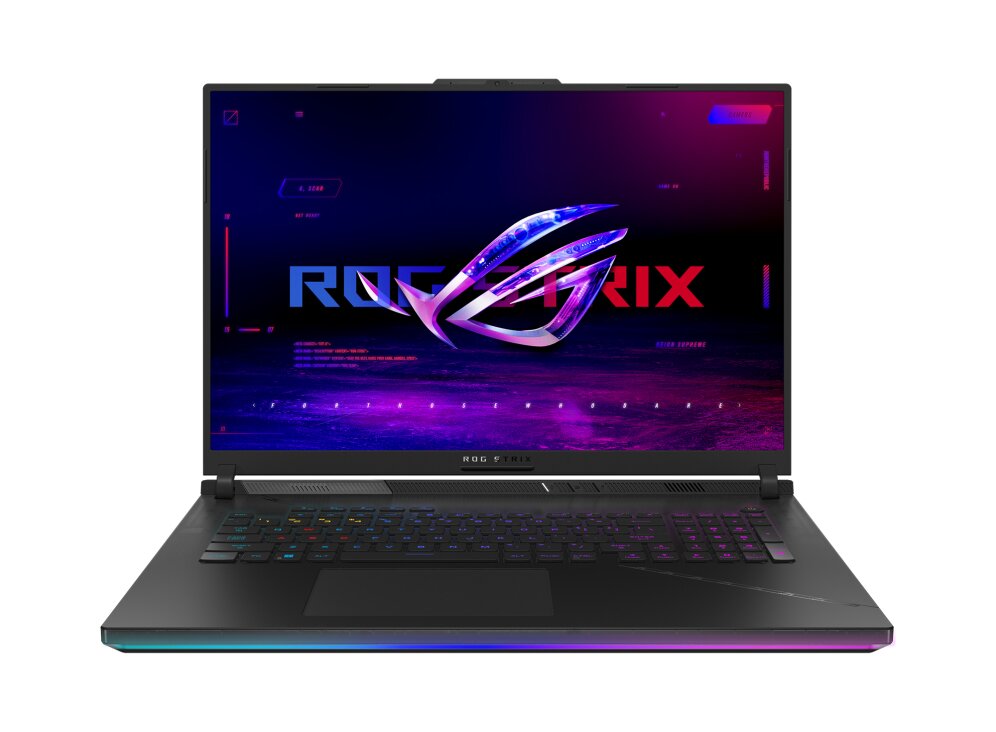
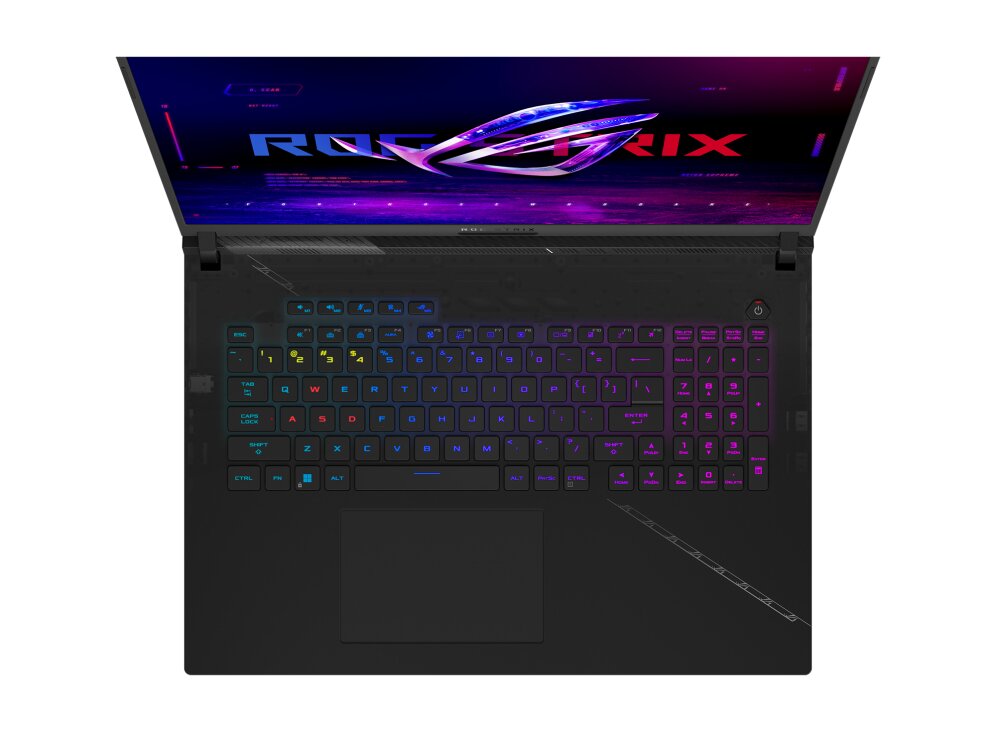
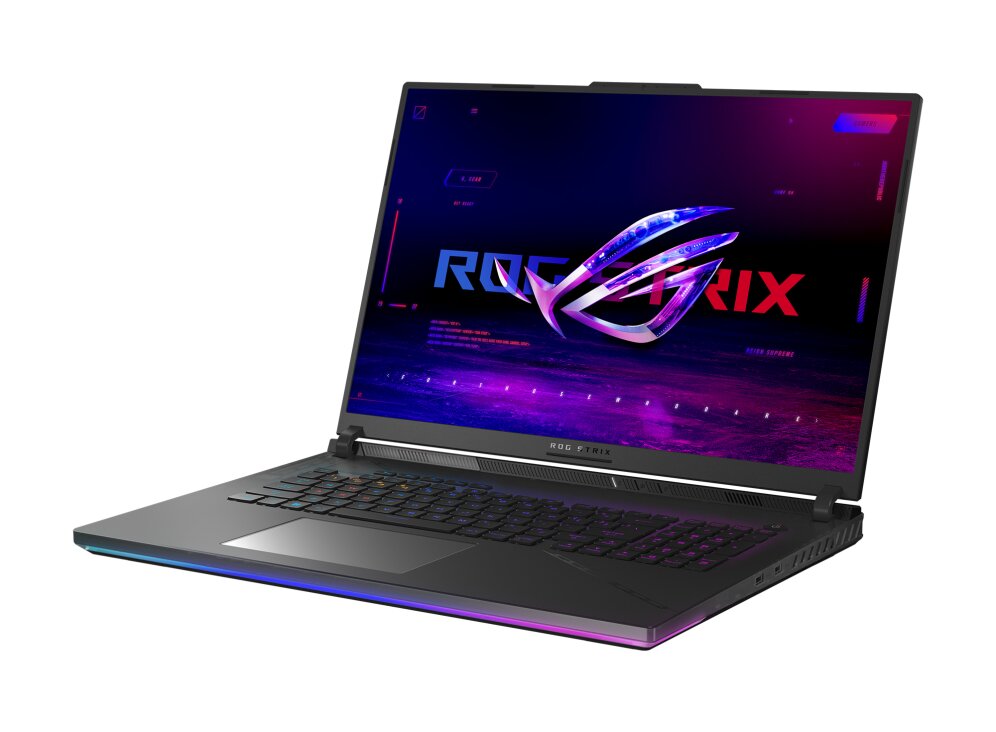
ASUS ROG Strix SCAR 18 G834JZR-N6008W specifications indicate DDR5-SDRAM memory upgrade capability. The laptop contains 2x SO-DIMM slots supporting maximum RAM capacity of 64 GB. Compatible memory modules operate at 5600 MHz frequency. Upgrade path allows dual-channel configuration through SO-DIMM form factor modules. Specifications enable memory expansion for enhanced multitasking and application performance on the gaming-focused platform.
Memory Upgrade Specifications
| Specification | Value |
|---|---|
| Memory slots | 2x SO-DIMM |
| Form factor | SO-DIMM |
| Memory type | DDR5-SDRAM |
| Frequency | 5600 MHz |
| Maximum RAM | 64 GB |
| Voltage | 1.1V |
| Number of pins | 262-pin |
| Interface | PC5 |
| PC Speed Rating | PC5-5600 (PC5-44800) |
| Bandwidth | 44.8 GB/s |
Additional Notes
- The ASUS ROG G834JZR-N6008W supports DDR5 memory exclusively, making backward compatibility with DDR4 modules impossible regardless of slot count.
- Two SO-DIMM slots impose a practical ceiling of 64 GB total capacity, achievable only through dual 32 GB modules. Single-module upgrades will leave one slot vacant and reduce dual-channel bandwidth efficiency.
- 5600 MHz native frequency establishes the warranty-safe baseline for replacement modules. Higher-speed DDR5 variants (6400 MHz and above) operate outside JEDEC specification and may void coverage if instability occurs.
- SO-DIMM form factor locks upgrades to mobile-grade memory exclusively. Desktop DDR5 UDIMM modules are physically incompatible and cannot be retrofitted regardless of electrical matching.
- The 2-slot architecture creates a bandwidth bottleneck during asymmetric configurations. Installing a single module in either slot disables dual-channel operation, reducing effective memory throughput by approximately 50 percent compared to matched pairs.
- Maximum capacity of 64 GB represents a hard ceiling. Future workloads exceeding this threshold cannot be addressed through memory expansion on this platform, requiring complete system replacement.
- Memory pressure on PCIe Gen 5 or newer GPU connections may occur under concurrent high-bandwidth scenarios. DDR5-5600 latency may create subtle contention in real-time graphics workloads despite meeting nominal specifications.