ASUS ROG G834JZR-N6002W RAM upgrade specifications

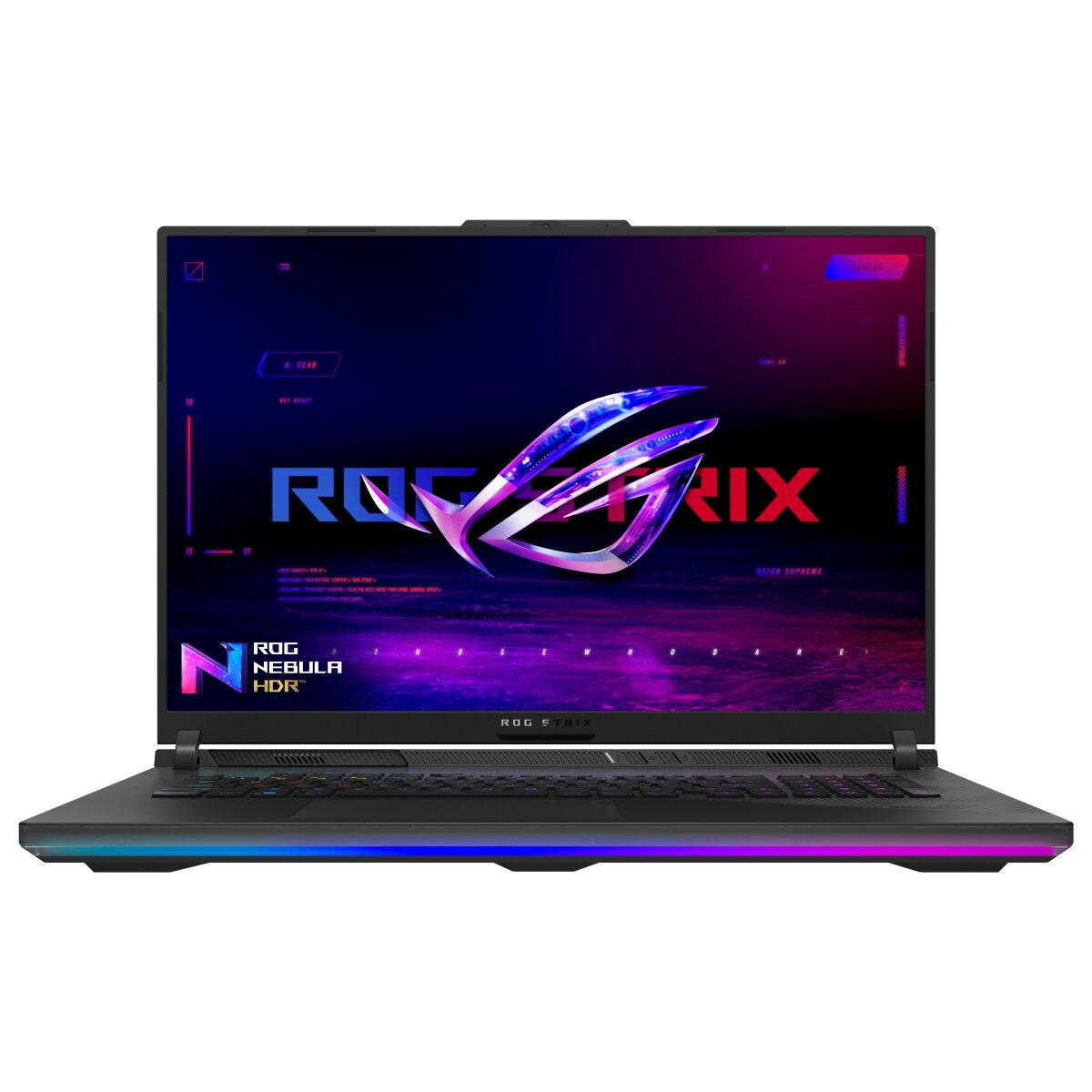
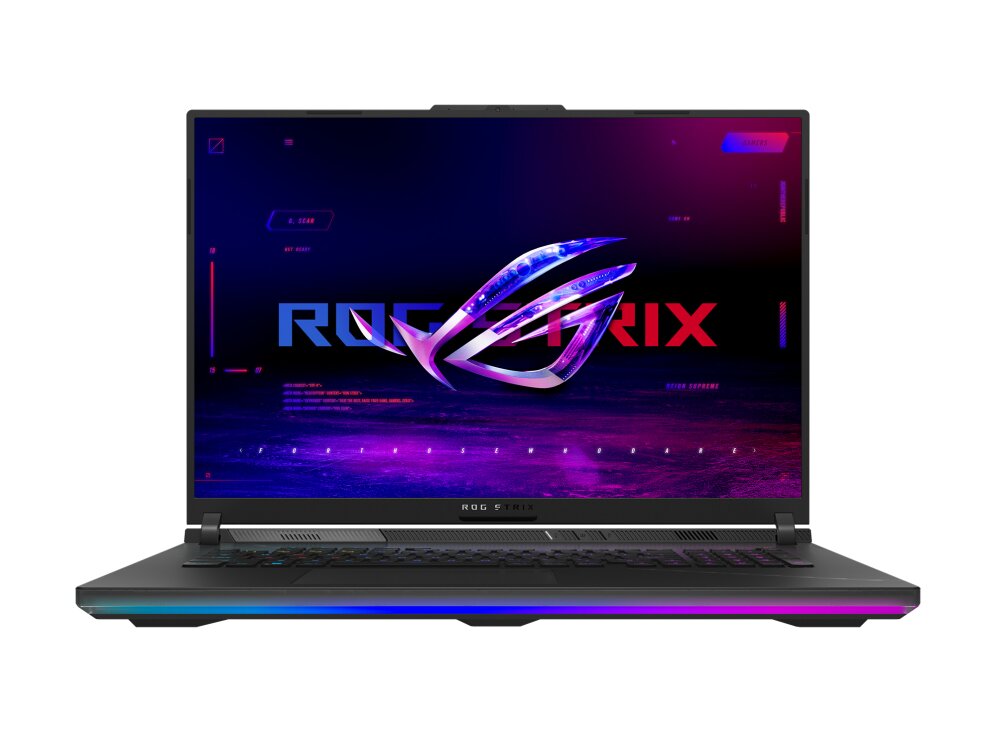
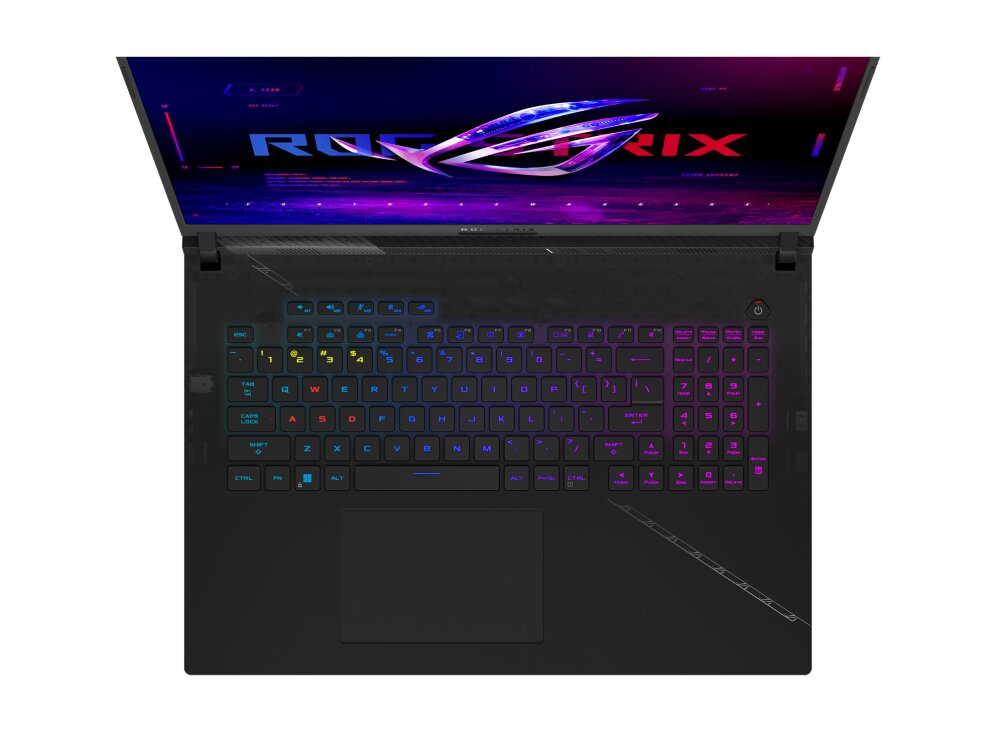
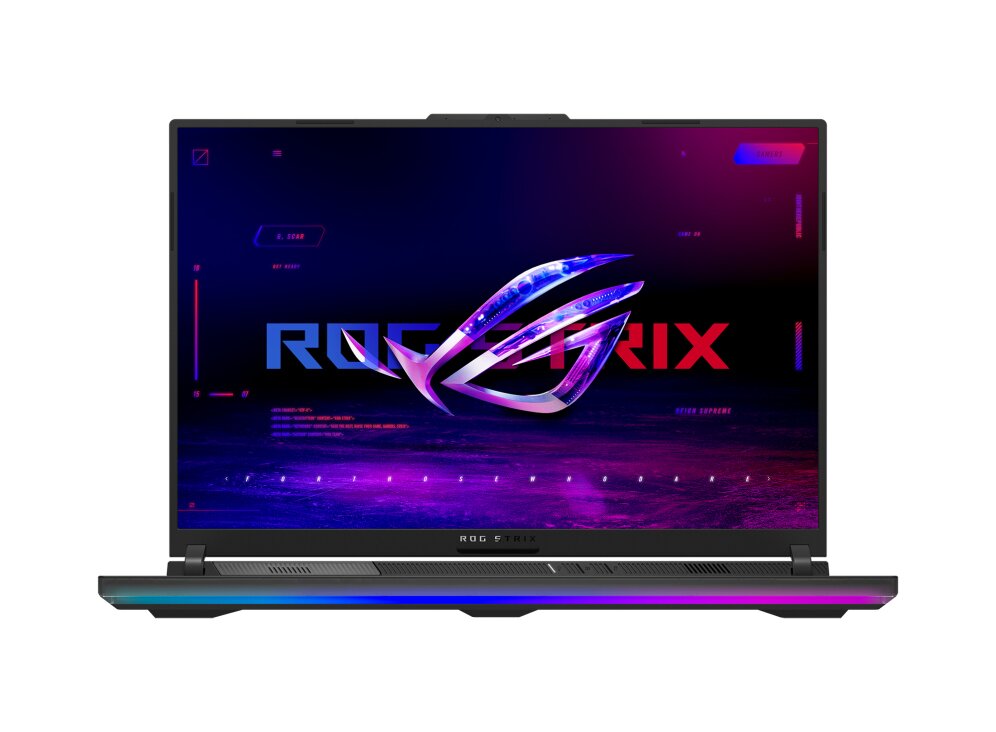
ASUS ROG Strix SCAR 18 G834JZR-N6002W features DDR5-SDRAM memory upgrade capabilities. The laptop contains 2x SO-DIMM slots supporting maximum RAM capacity of 64 GB. Compatible memory specifications include DDR5 modules operating at 5600 MHz frequency. Specifications indicate SO-DIMM form factor configuration for memory expansion and upgrades on the gaming laptop platform.
Memory Upgrade Specifications
| Specification | Value |
|---|---|
| Memory slots | 2x SO-DIMM |
| Form factor | SO-DIMM |
| Memory type | DDR5-SDRAM |
| Frequency | 5600 MHz |
| Maximum RAM | 64 GB |
| Voltage | 1.1V |
| Number of pins | 262-pin |
| Interface | PC5 |
| PC Speed Rating | PC5-5600 (PC5-44800) |
| Bandwidth | 44.8 GB/s |
| Laptop Release date | 27 November 2023 |
Additional Notes
- The ASUS ROG G834JZR-N6002W accepts only DDR5 modules, making DDR4 physically and electrically incompatible due to different notch positions and voltage requirements.
- The 5600 MHz specification represents JEDEC standard speed, with actual performance depending on Intel XMP 3.0 profile support in the system BIOS.
- SO-DIMM modules require approximately 30% less physical volume than standard DIMMs, conforming to the reduced internal clearance typical of high-performance gaming chassis.
- Populating both slots enables dual-channel operation, effectively doubling memory bandwidth compared to single-module configurations at identical frequencies.
- The 64 GB ceiling translates to 32 GB modules per slot, which may limit availability compared to more common 16 GB density options.
- DDR5 architecture incorporates on-die ECC that operates independently of system-level error correction, automatically correcting single-bit errors without OS visibility.
- Higher frequency kits exceeding 5600 MHz may require manual BIOS timing adjustments or voltage increases beyond JEDEC defaults for stable operation.
- Mixed-capacity configurations across the 2 slots will force the memory controller into asymmetric flex mode, maintaining dual-channel only up to the smaller module's capacity.
- Third-party RAM installation typically preserves warranty coverage under most regional consumer protection laws, though manufacturer policies vary by jurisdiction.
- DDR5's split-bank architecture increases command/address bus efficiency but introduces slightly higher latency penalties compared to equivalent DDR4 speeds measured in nanoseconds.
- Thermal considerations become relevant above 6000 MHz, where modules with integrated heat spreaders provide measurable temperature reductions during sustained workloads.