ASUS ROG G531GT-BQ138T RAM upgrade specifications

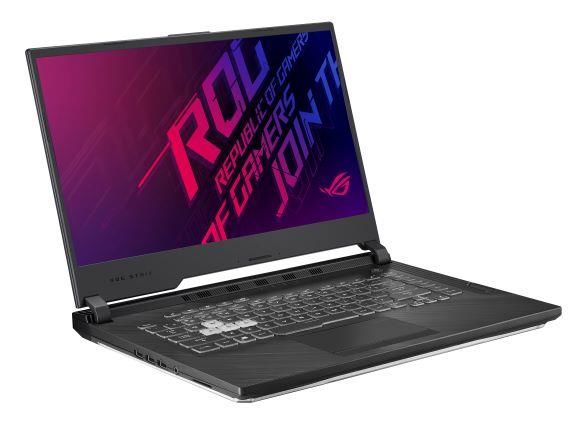
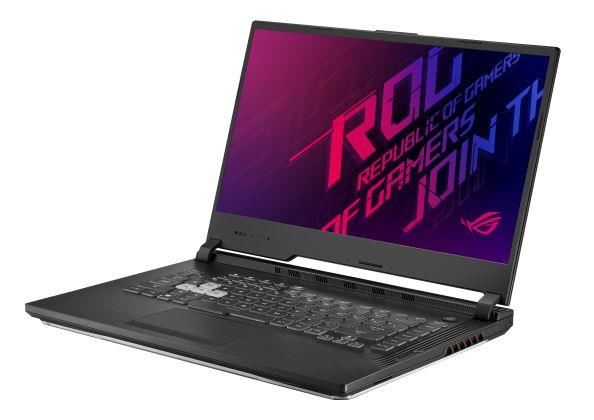
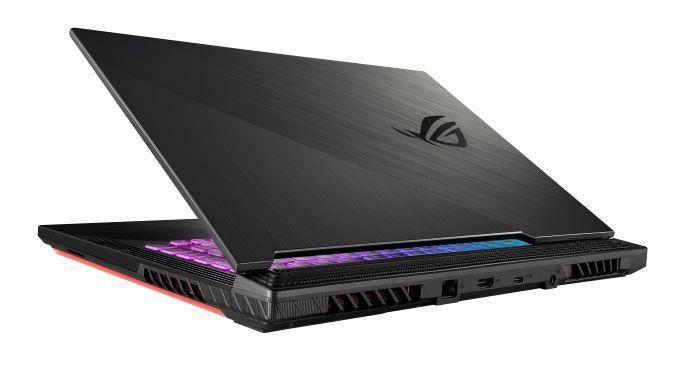
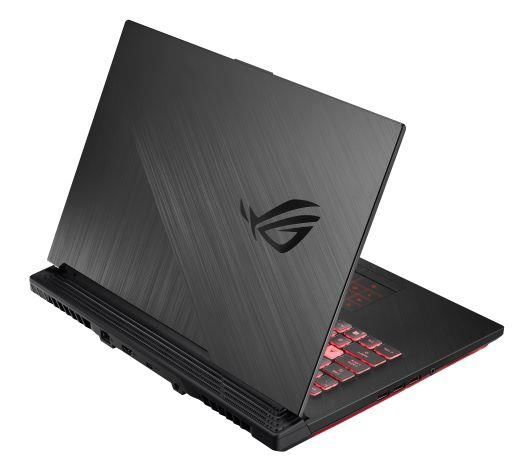
ASUS ROG Strix G531GT-BQ138T laptop memory upgrade specifications indicate DDR4-SDRAM compatible RAM modules. The system features 2x SO-DIMM slots supporting maximum capacity of 32 GB total memory. Upgrade modules operate at 2666 MHz frequency. Compatible memory configurations utilize SO-DIMM form factor specifications for this gaming laptop model.
Memory Upgrade Specifications
| Specification | Value |
|---|---|
| Memory slots | 2x SO-DIMM |
| Form factor | SO-DIMM |
| Memory type | DDR4-SDRAM |
| Frequency | 2666 MHz |
| Maximum RAM | 32 GB |
| Voltage | 1.2V |
| Number of pins | 260-pin |
| Interface | PC4 |
| PC Speed Rating | PC4-2666 (PC4-21328) |
| Bandwidth | 21.3 GB/s |
| Laptop Release date | 29 November 2019 |
Additional Notes
- The ASUS ROG G531GT-BQ138T uses SO-DIMM slots, which are laptop-standard form factors measuring 67.6mm in length. These require a specific keying notch absent from desktop DDR4 modules, preventing cross-compatibility with standard DIMM upgrades.
- Memory frequency operation at 2666 MHz represents a bandwidth ceiling of approximately 21.3 GB/s per channel. This latency profile may constrain performance in GPU-accelerated workloads where system memory serves as a spillover buffer, particularly during memory-intensive gaming or rendering tasks.
- The 2-slot architecture with 32 GB maximum capacity means upgrading to the ceiling requires dual 16 GB modules. A single 16 GB module would leave 1 slot occupied, preventing symmetric dual-channel operation and halving effective memory bandwidth until both slots contain matching capacity.
- DDR4 SO-DIMM modules rated for 2666 MHz or faster are warranty-safe replacements. Modules exceeding this speed specification (such as 3200 MHz variants) may function but operate at reduced frequency, negating the speed premium without providing additional benefit within this motherboard's configuration.
- The gap between current configuration capacity and 32 GB maximum indicates the machine likely shipped with 8 GB single-channel or 16 GB dual-channel configuration. Adding a matching module preserves or enables dual-channel operation, whereas mismatched capacities force the controller into hybrid mode, introducing asymmetric latency profiles.