ASUS ROG G533QR-HQ005T RAM upgrade specifications




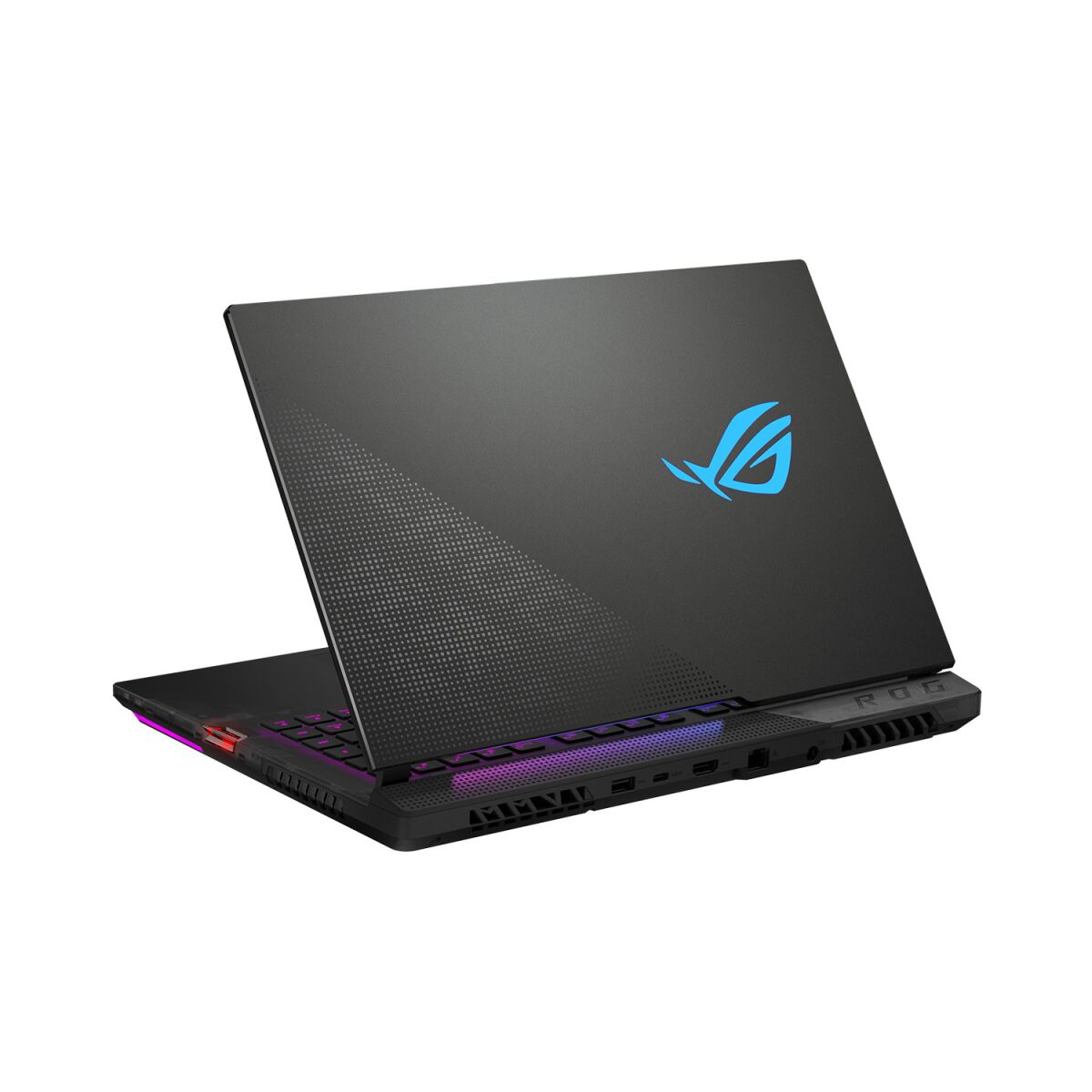
The ASUS ROG Strix G533QR-HQ005T laptop features DDR4-SDRAM memory with two SO-DIMM upgrade slots. Maximum supported capacity reaches 64 GB total RAM. Compatible modules operate at 3200 MHz frequency. Specifications indicate SO-DIMM form factor for memory upgrades. The laptop supports DDR4 memory upgrades across both available slots, enabling users to expand system memory from the factory configuration to maximum capacity of 64 GB.
Memory Upgrade Specifications
| Specification | Value |
|---|---|
| Memory slots | 2x SO-DIMM |
| Form factor | SO-DIMM |
| Memory type | DDR4-SDRAM |
| Frequency | 3200 MHz |
| Maximum RAM | 64 GB |
| Voltage | 1.2V |
| Number of pins | 260-pin |
| Interface | PC4 |
| PC Speed Rating | PC4-3200 (PC4-25600) |
| Bandwidth | 25.6 GB/s |
| Laptop Release date | 28 November 2020 |
Additional Notes
- The ASUS ROG G533QR-HQ005T accepts only SO-DIMM modules, excluding standard DIMM memory despite identical electrical specifications.
- The 3200 MHz frequency operates through JEDEC standard profiles or XMP, with actual speed dependent on processor memory controller support.
- Dual SO-DIMM slots enable dual-channel operation when populated with matched pairs, doubling theoretical bandwidth to 51.2 GB/s compared to single-channel configurations.
- The 64 GB maximum capacity requires 2 modules of 32 GB each, as exceeding per-slot density limits prevents POST completion.
- DDR4-SDRAM modules rated below 3200 MHz will function but downclock the entire memory subsystem to the lowest installed module speed.
- Mixing different capacity modules maintains dual-channel mode only up to the lowest common capacity per channel, with excess capacity reverting to single-channel.
- Non-matching CAS latencies across modules force all memory to operate at the highest latency value, increasing access times.
- SO-DIMM installation typically requires bottom panel removal, which may void warranty seals depending on regional consumer protection regulations.
- Memory verification before chassis reassembly prevents repeated disassembly cycles due to unseated modules or compatibility failures.
- Thermal considerations remain minimal for DDR4 SO-DIMM in typical gaming workloads, as standard modules lack heat spreaders by form factor design.