ASUS ROG G531GV-AL023T RAM upgrade specifications

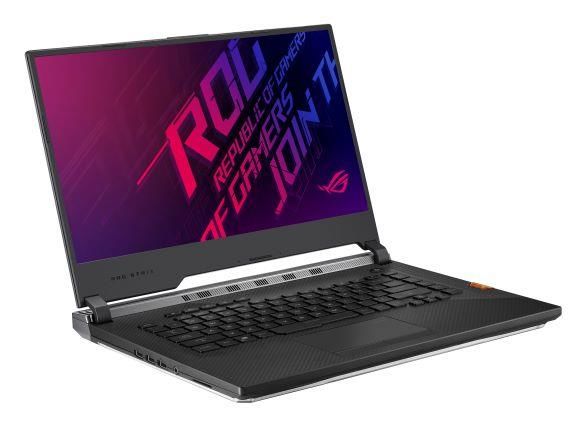



The ASUS ROG Strix G531GV-AL023T laptop features DDR4-SDRAM memory upgradeable through two SO-DIMM slots. Maximum supported RAM capacity reaches 32 GB total. The memory specifications support DDR4 modules operating at 2666 MHz frequency. Compatible upgrades utilize the SO-DIMM form factor standard for laptop installations. Current memory configuration and available slot capacity determine compatible RAM upgrade options for this gaming laptop model.
Memory Upgrade Specifications
| Specification | Value |
|---|---|
| Memory slots | 2x SO-DIMM |
| Form factor | SO-DIMM |
| Memory type | DDR4-SDRAM |
| Frequency | 2666 MHz |
| Maximum RAM | 32 GB |
| Voltage | 1.2V |
| Number of pins | 260-pin |
| Interface | PC4 |
| PC Speed Rating | PC4-2666 (PC4-21328) |
| Bandwidth | 21.3 GB/s |
| Laptop Release date | 19 July 2019 |
Additional Notes
- The ASUS ROG G531GV-AL023T supports up to 32 GB total capacity, indicating that each SO-DIMM slot can accommodate a maximum 16 GB module when operating in dual-channel configuration.
- The 2666 MHz frequency specification requires DDR4 modules rated at PC4-21300 for full compatibility with the system's memory controller.
- Mixing modules with different speeds will force all installed RAM to operate at the frequency of the slowest module, potentially underutilizing higher-rated memory.
- The SO-DIMM form factor limits module height compared to standard DIMM, restricting options to laptop-specific memory products that meet the physical clearance requirements of the chassis.
- Installing a single module instead of matched pairs will disable dual-channel mode, reducing memory bandwidth by approximately 50% and potentially impacting gaming performance and integrated graphics tasks.
- Modules exceeding 1.2V standard voltage for DDR4 may cause thermal issues in the confined laptop chassis or trigger compatibility failures during POST.
- The 2 slot configuration means that upgrading from pre-installed memory requires removing existing modules entirely, unlike systems with 4 slots that allow incremental expansion.
- DDR4-2666 represents JEDEC standard timing rather than XMP profiles, as laptop BIOS typically lacks manual memory overclocking controls found in desktop systems.
- Non-matching module capacities between slots will still function but may result in asymmetric channel configuration after the smaller module's capacity is exceeded in memory allocation.
- Third-party RAM installations generally preserve warranty coverage for the base system, though the memory modules themselves would fall under their manufacturer's separate warranty terms.