ASUS ROG G712LV-RS74 RAM upgrade specifications
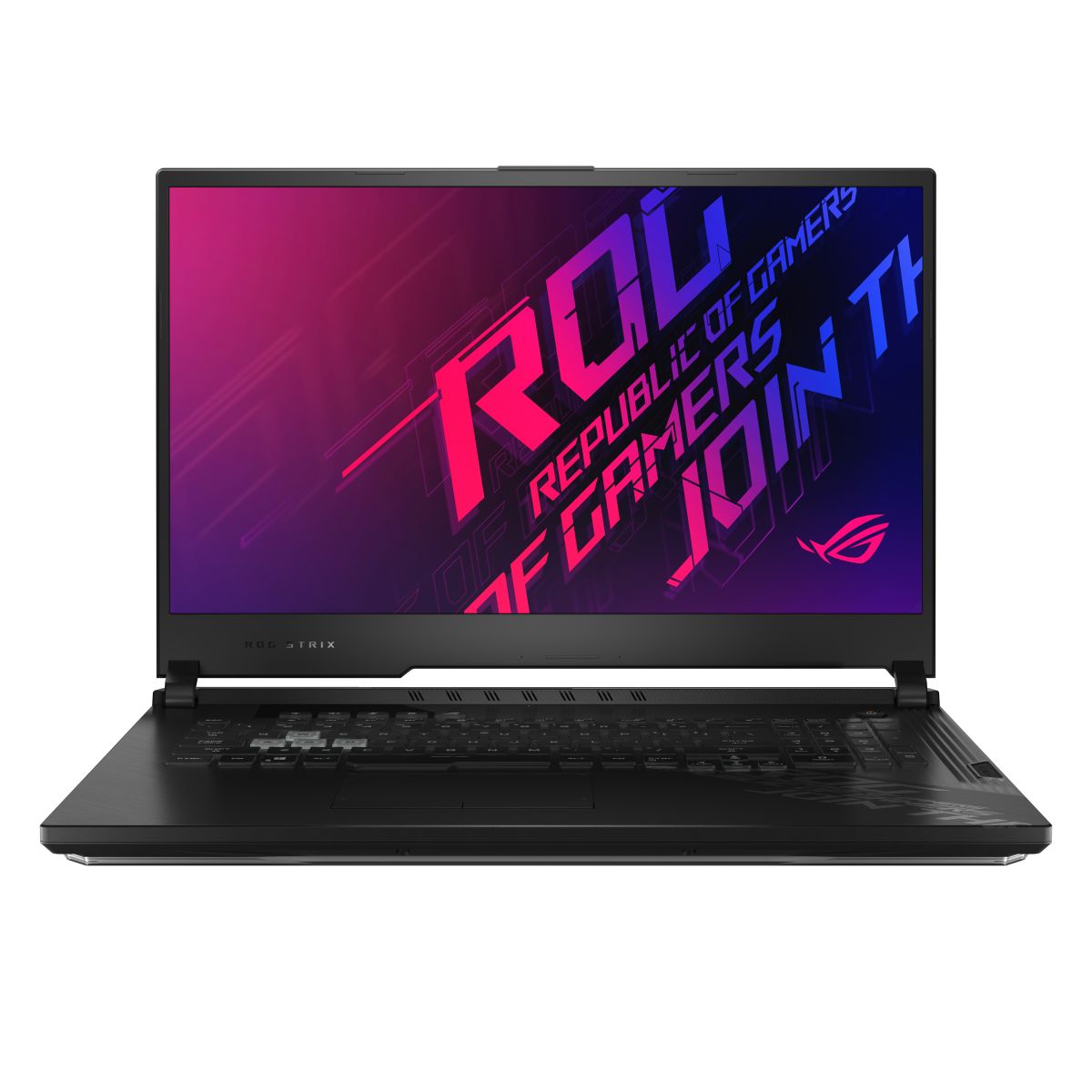


The ASUS ROG Strix G712LV-RS74 gaming laptop features DDR4-SDRAM memory upgrade specifications with two SO-DIMM slots supporting a maximum RAM capacity of 32 GB. The compatible memory modules operate at 3200 MHz frequency. Upgrade options allow installation of additional or replacement DDR4 SO-DIMM modules to enhance system performance. Memory specifications are limited to DDR4 technology with the stated slot configuration and maximum capacity constraints.
Memory Upgrade Specifications
| Specification | Value |
|---|---|
| Memory slots | 2x SO-DIMM |
| Form factor | SO-DIMM |
| Memory type | DDR4-SDRAM |
| Frequency | 3200 MHz |
| Maximum RAM | 32 GB |
| Voltage | 1.2V |
| Number of pins | 260-pin |
| Interface | PC4 |
| PC Speed Rating | PC4-3200 (PC4-25600) |
| Bandwidth | 25.6 GB/s |
| Laptop Release date | 04 June 2020 |
Additional Notes
- The ASUS ROG G712LV-RS74 accepts only SO-DIMM modules, which excludes standard desktop DIMM memory despite identical DDR4 technology.
- The 32 GB ceiling requires populating both slots with 16 GB modules, as single 32 GB SO-DIMM DDR4 modules remain uncommon in consumer distribution channels.
- Installing modules slower than 3200 MHz forces the entire memory subsystem to operate at the lower speed due to synchronous clocking requirements.
- Mixing modules with different frequencies results in automatic downclocking to match the slowest module's rated speed.
- The dual-slot configuration prevents future expansion beyond 32 GB without removing and replacing existing modules.
- Non-matching module capacities between slots still functions but may prevent dual-channel operation depending on total capacity distribution.
- Access to the memory compartment typically requires bottom panel removal, which may void certain regional warranty provisions if security seals are present.
- DDR4 voltage standards at 1.2V remain consistent across SO-DIMM form factors, but XMP profiles may require BIOS support that varies by firmware version.
- The 3200 MHz specification represents the maximum validated speed, though the memory controller may support JEDEC fallback speeds of 2933 MHz, 2666 MHz, or 2400 MHz.
- Thermal considerations become relevant when installing higher-density modules, as 16 GB SO-DIMMs generate more heat than 8 GB variants under sustained load.
- CAS latency values differ between manufacturers even at identical frequencies, creating potential performance variance of 3 to 5 percent in memory-sensitive applications.
- The SO-DIMM standard imposes a 67.6 mm height restriction that most manufacturers observe, but low-profile heat spreaders still cause clearance issues in certain chassis designs.