ASUS ROG G712LV-H7469 RAM upgrade specifications
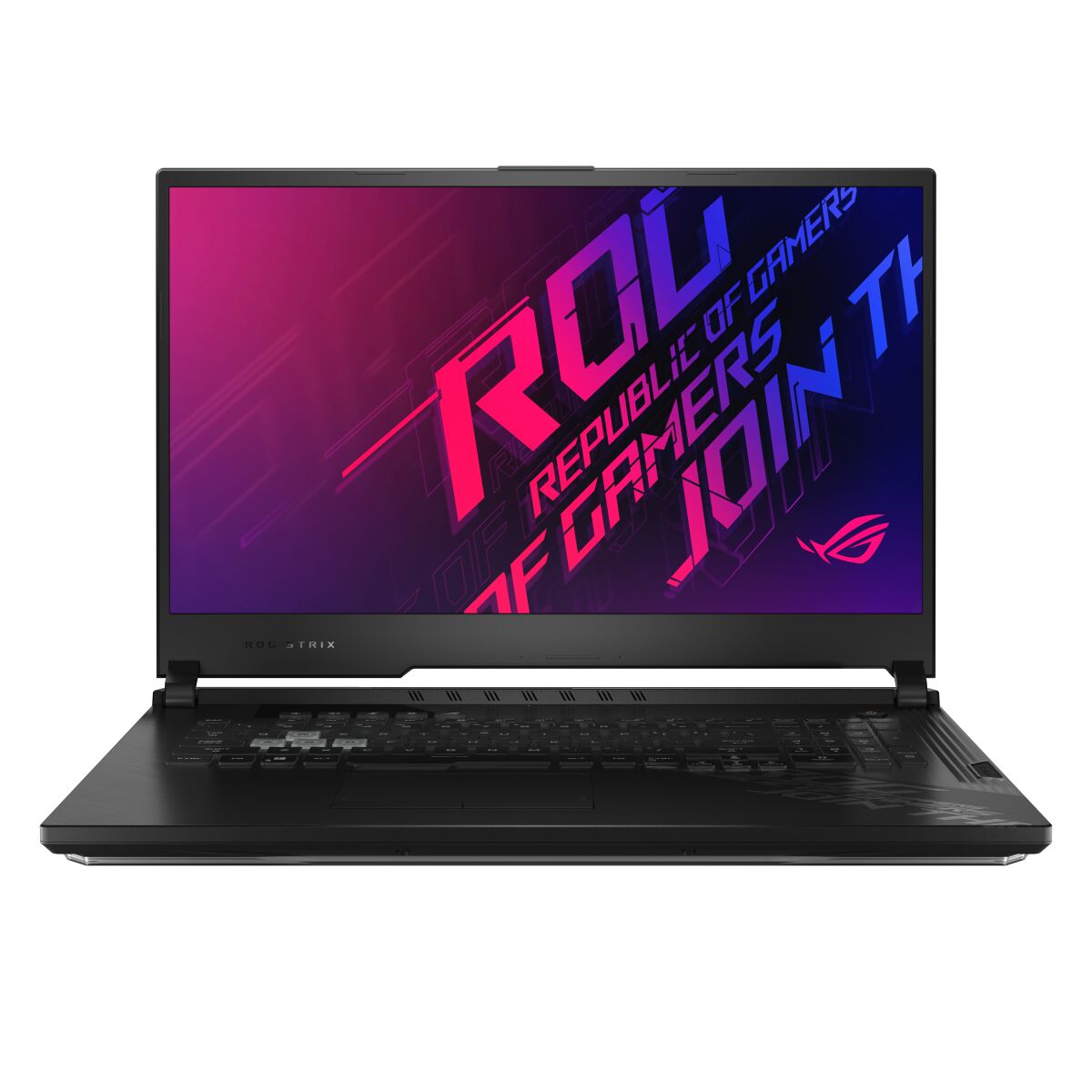

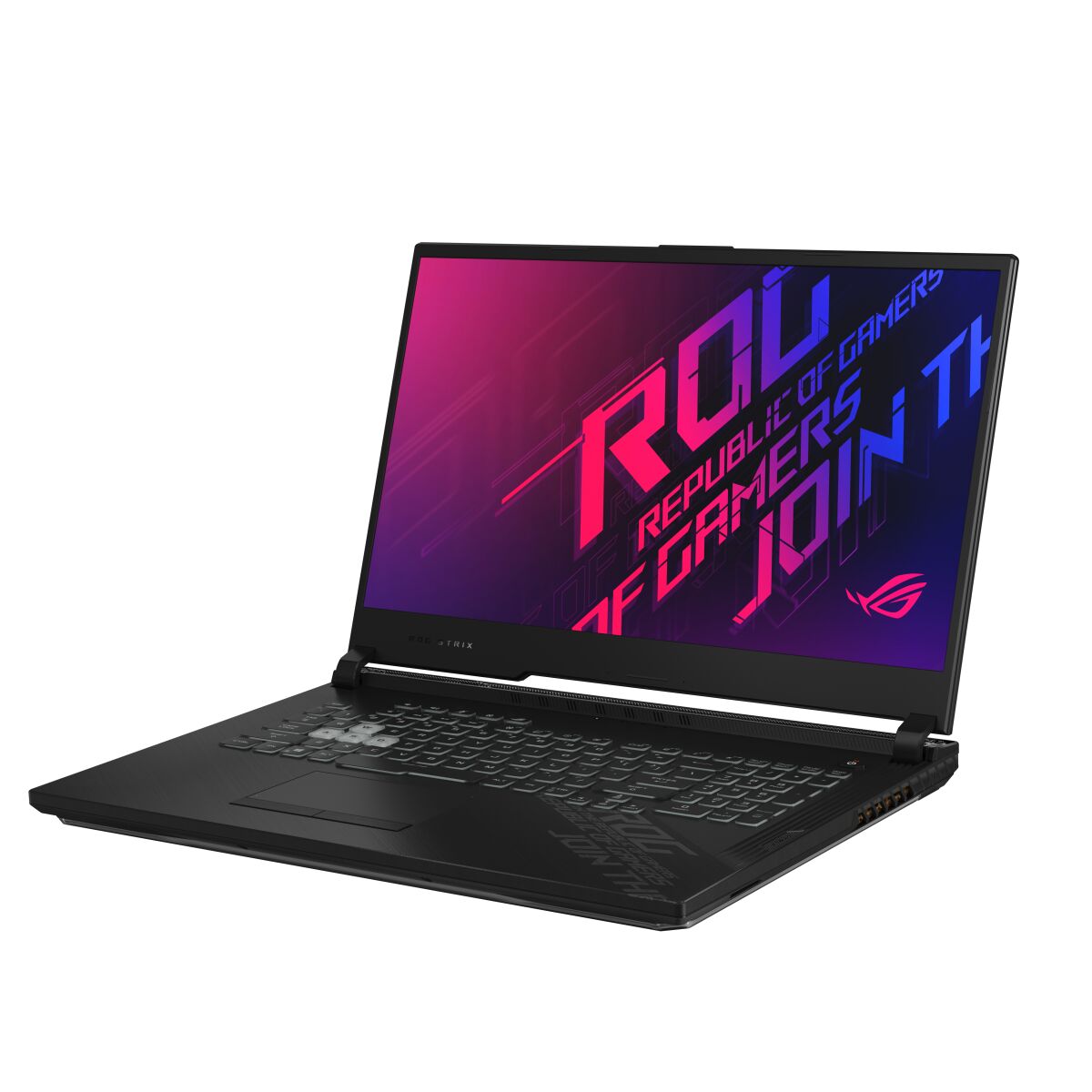
The ASUS ROG Strix G712LV-H7469 laptop features DDR4-SDRAM memory upgrade specifications with two SO-DIMM slots supporting maximum capacity of 32 GB total RAM. Compatible memory modules operate at 3200 MHz frequency. Current memory upgrade compatibility extends to DDR4 SO-DIMM specifications meeting these technical parameters for the G712LV-H7469 model.
Memory Upgrade Specifications
| Specification | Value |
|---|---|
| Memory slots | 2x SO-DIMM |
| Form factor | SO-DIMM |
| Memory type | DDR4-SDRAM |
| Frequency | 3200 MHz |
| Maximum RAM | 32 GB |
| Voltage | 1.2V |
| Number of pins | 260-pin |
| Interface | PC4 |
| PC Speed Rating | PC4-3200 (PC4-25600) |
| Bandwidth | 25.6 GB/s |
| Laptop Release date | 13 October 2020 |
Additional Notes
- The ASUS ROG G712LV-H7469 accommodates a maximum of 32 GB total capacity across its 2 SO-DIMM slots, requiring matched pairs for dual-channel operation to avoid performance degradation.
- DDR4-3200 MHz modules represent the native speed ceiling for this platform; faster DDR4 variants will downclock to 3200 MHz, making premium high-frequency modules unnecessary investments for this chassis.
- SO-DIMM form factor restricts replacement options to notebook-grade memory; desktop DDR4 UDIMM modules are physically incompatible and cannot be adapted without external enclosures that void warranty coverage.
- Single-slot population (one 16 GB SO-DIMM) will force operation in single-channel mode, reducing memory bandwidth by approximately 50 percent and creating measurable latency penalties in graphics-intensive applications typical of ROG systems.
- Upgrading from configurations with mixed capacity modules (e.g., 8 GB plus 16 GB) to symmetric 16 GB pairs unlocks dual-channel performance that stock asymmetric configurations forfeit.
- DDR4-3200 SO-DIMM modules with standard voltage (1.2V) and mainstream latency profiles (CAS 16-18) carry the highest compatibility probability; low-power (1.35V) or ultra-tight timing variants may encounter initialization issues on some firmware revisions.