ASUS ROG G712LV-H7007 RAM upgrade specifications
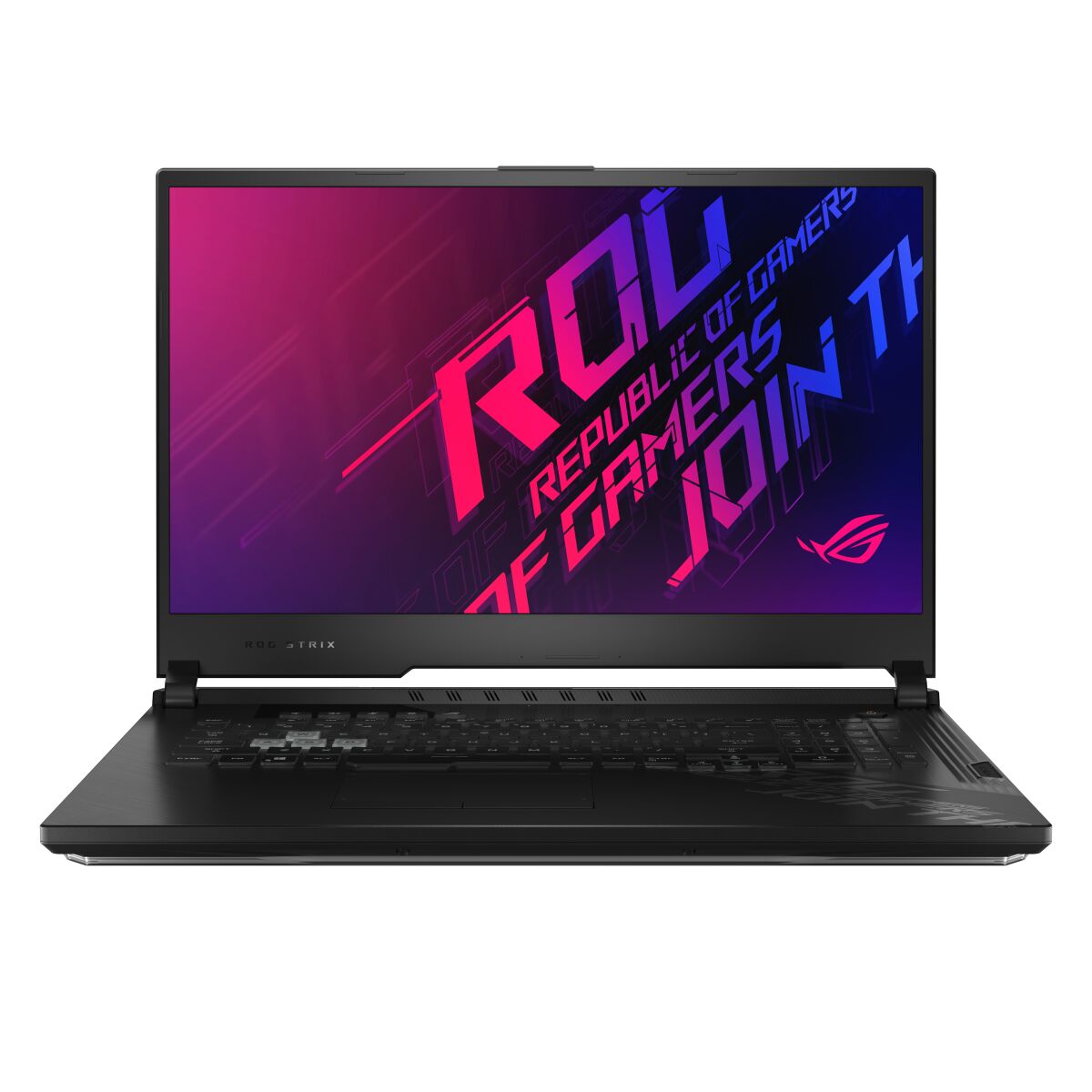
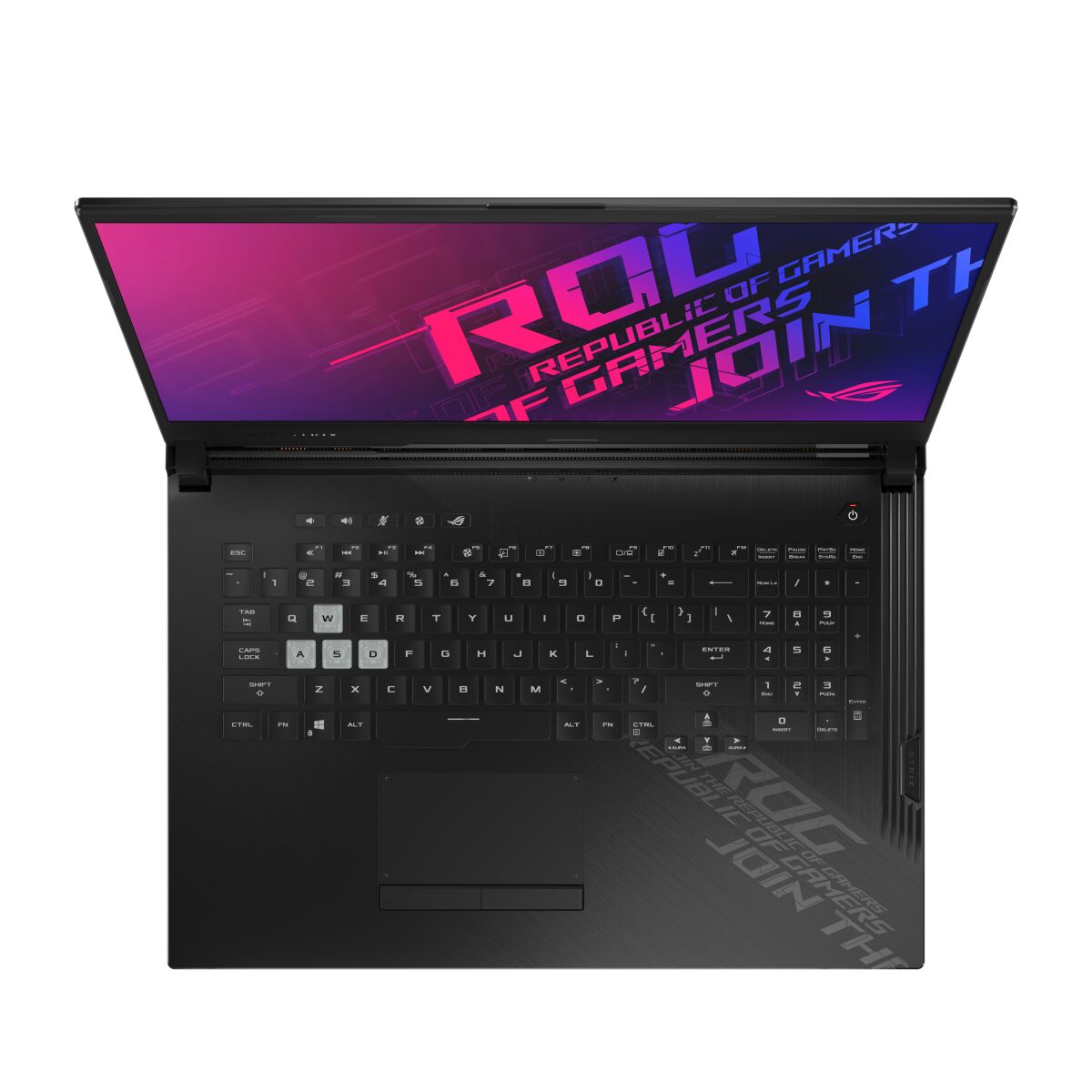
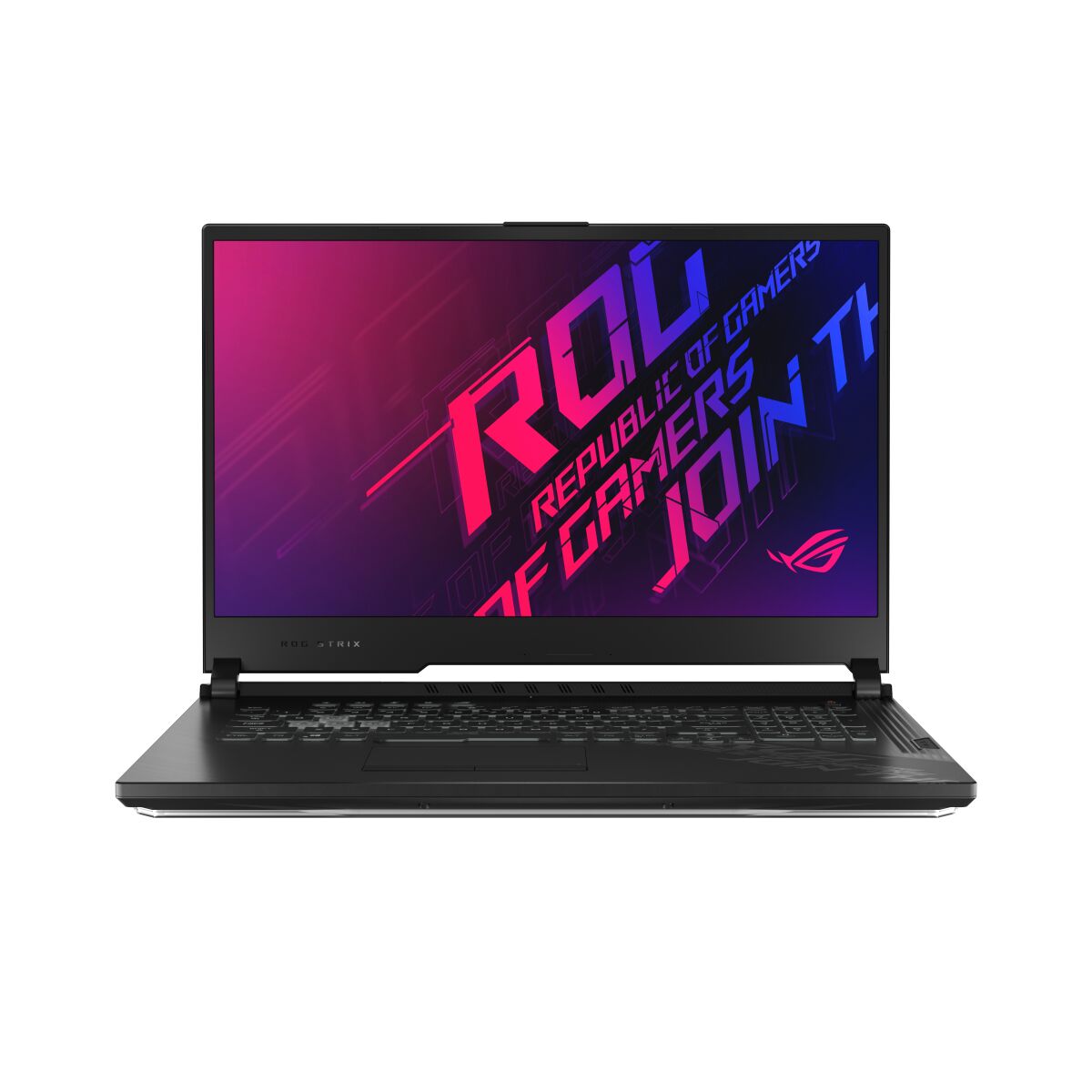
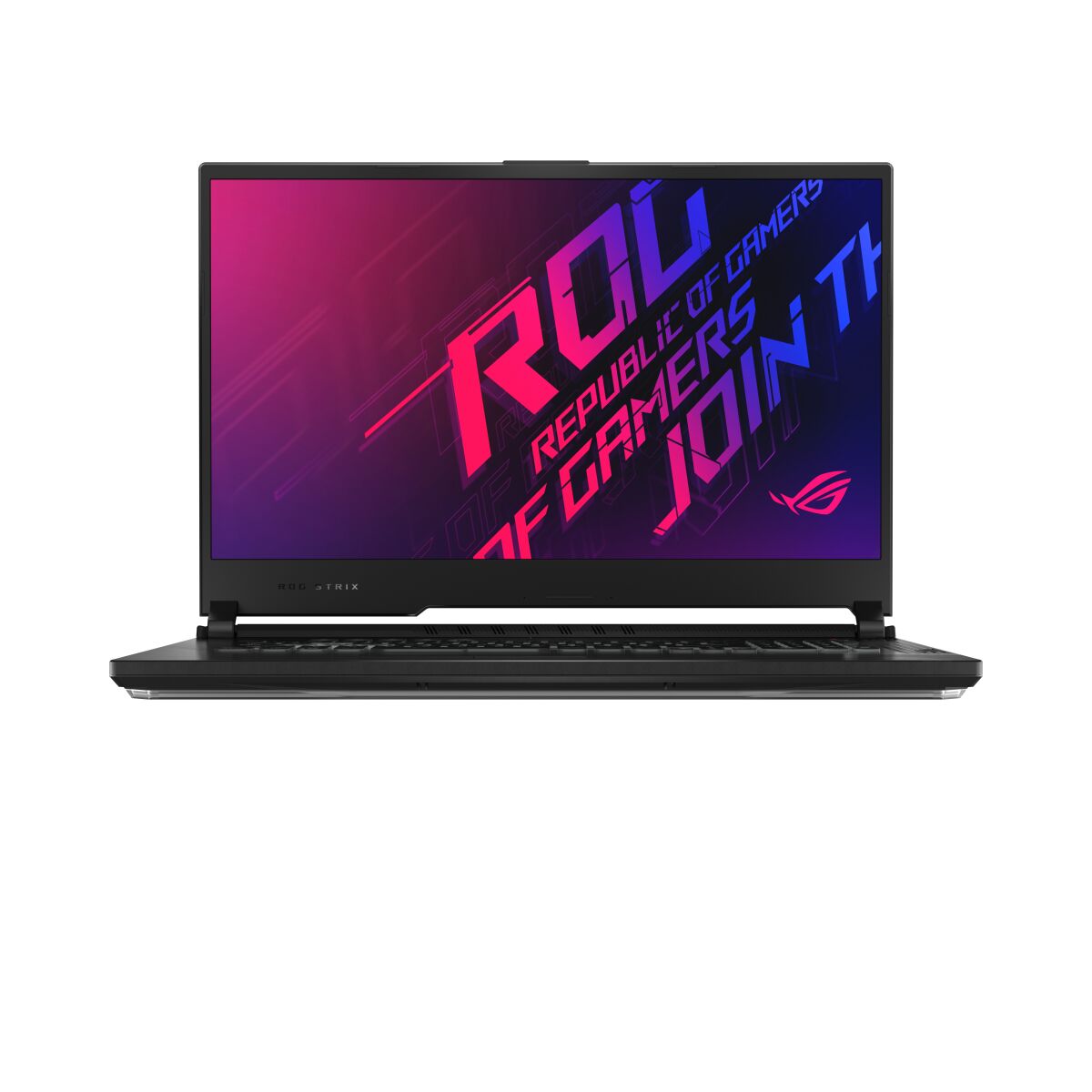
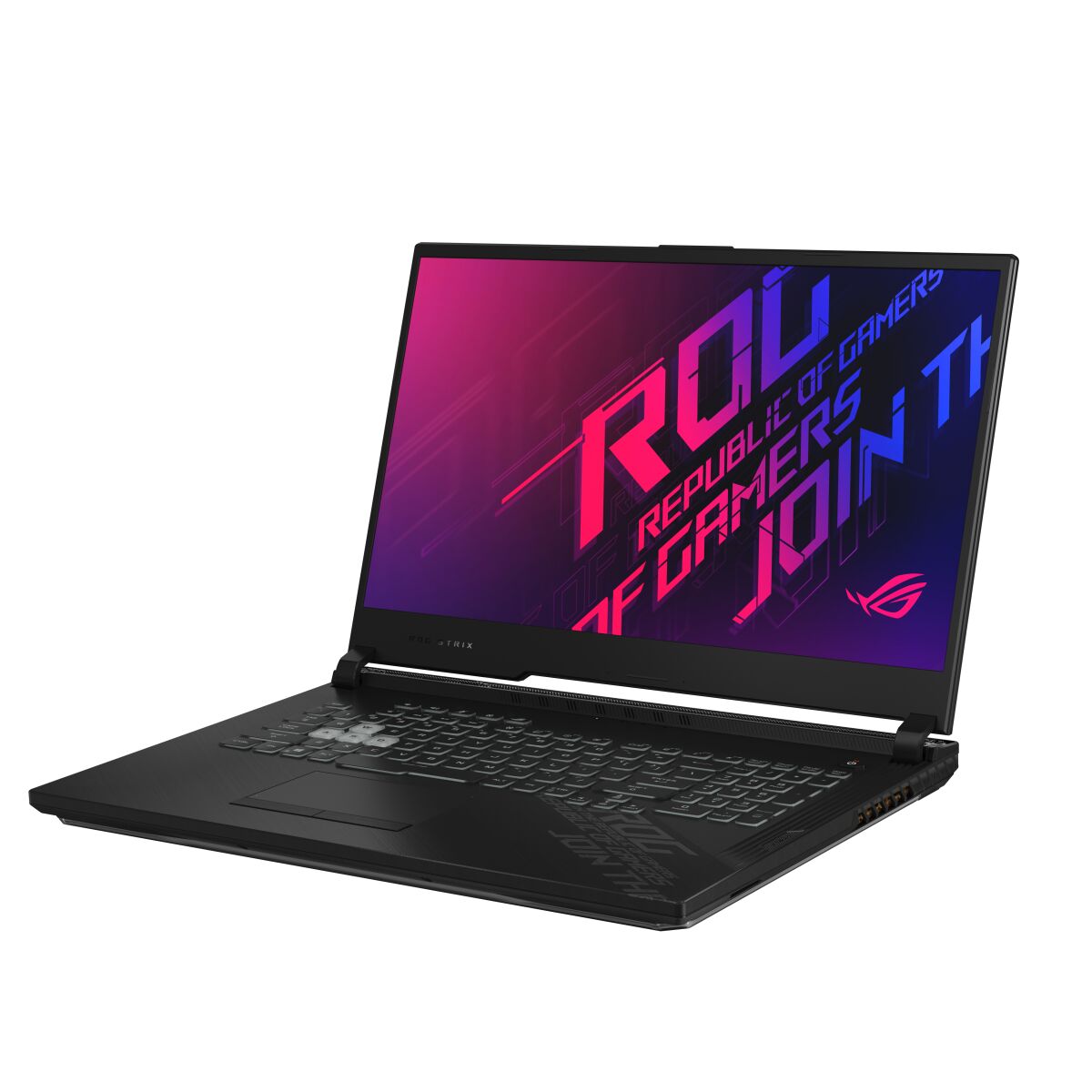
ASUS ROG Strix G712LV-H7007 laptop supports DDR4-SDRAM memory upgrades through two SO-DIMM slots. Maximum capacity reaches 32 GB total memory. Compatible RAM operates at 3200 MHz frequency. Specifications allow for incremental memory expansion on this gaming laptop model, enabling users to enhance multitasking performance and application responsiveness through RAM upgrades.
Memory Upgrade Specifications
| Specification | Value |
|---|---|
| Memory slots | 2x SO-DIMM |
| Form factor | SO-DIMM |
| Memory type | DDR4-SDRAM |
| Frequency | 3200 MHz |
| Maximum RAM | 32 GB |
| Voltage | 1.2V |
| Number of pins | 260-pin |
| Interface | PC4 |
| PC Speed Rating | PC4-3200 (PC4-25600) |
| Bandwidth | 25.6 GB/s |
| Laptop Release date | 31 August 2020 |
Additional Notes
- The ASUS ROG G712LV-H7007 contains 2 SO-DIMM slots operating at 3200 MHz, establishing a hard ceiling of 32 GB total capacity; single-module upgrades beyond 16 GB require both slots to be populated simultaneously.
- DDR4-3200 memory operates within standard laptop specifications, but availability of 16 GB SO-DIMM modules meeting this frequency is more limited than higher-capacity desktop equivalents, potentially extending sourcing timelines for warranty-compliant replacements.
- SO-DIMM form factor requires complete module removal and reinsertion to access the second slot; stacked or overlapping installation is not possible, constraining the physical workspace needed for safe upgrade procedures.
- Dual-channel memory configuration is achievable only when both slots contain matching capacity modules; asymmetric configurations (such as 8 GB + 16 GB) will operate but may reduce memory bandwidth efficiency by up to 5-7 percent in bandwidth-intensive applications.
- The 3200 MHz frequency specification is tied to Intel 10th-gen mobile processor capability; memory modules rated for higher frequencies (such as 3600 MHz) will downclock to 3200 MHz, eliminating performance gains from premium modules without warranty benefit.
- Thermal constraints in thin-and-light gaming laptop designs mean aftermarket modules with taller heat spreaders may contact the keyboard assembly or internal shielding; low-profile SO-DIMM modules reduce this risk without performance penalty.