ASUS ROG G712LV-H7007T RAM upgrade specifications
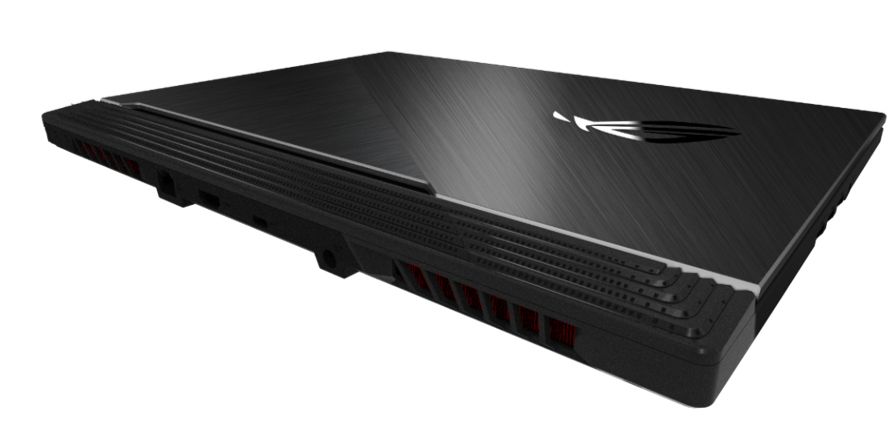
The ASUS ROG Strix G712LV-H7007T features two SO-DIMM memory slots supporting DDR4-SDRAM upgrade specifications. Maximum RAM capacity reaches 32 GB total, with compatible memory operating at 3200 MHz frequency. The laptop's memory upgrade slots accommodate standard SO-DIMM form factor modules, enabling users to expand the system's RAM capacity for enhanced performance. Specifications indicate the device supports dual-channel memory configurations through its two available slots.
Memory Upgrade Specifications
| Specification | Value |
|---|---|
| Memory slots | 2x SO-DIMM |
| Form factor | SO-DIMM |
| Memory type | DDR4-SDRAM |
| Frequency | 3200 MHz |
| Maximum RAM | 32 GB |
| Voltage | 1.2V |
| Number of pins | 260-pin |
| Interface | PC4 |
| PC Speed Rating | PC4-3200 (PC4-25600) |
| Bandwidth | 25.6 GB/s |
| Laptop Release date | 13 March 2020 |
Additional Notes
- The ASUS ROG G712LV-H7007T contains 2 SO-DIMM slots with a 32 GB ceiling, meaning single-module upgrades to 16 GB can be installed without removing existing memory, but reaching the 32 GB maximum requires populating both slots simultaneously.
- DDR4-3200 MHz memory operates within the Ryzen 5000/Intel 11th-gen performance window; third-party modules rated for 3600 MHz or higher will downclock to 3200 MHz due to the system's memory controller specifications, eliminating any speed advantage from premium-tier RAM.
- SO-DIMM modules occupy minimal physical space but cannot be upgraded to UDIMM or RDIMM formats; compatibility remains restricted to laptop-class memory, and desktop RAM will not fit the slot geometry.
- Upgrade operations require full system shutdown and battery disconnection; warranty coverage remains intact only if the upgrade does not involve removing thermal paste or contact with additional components beyond the memory module itself.
- Memory bandwidth saturation occurs at DDR4-3200; systems with integrated or discrete GPUs competing for memory access may show reduced gains when upgrading from 16 GB to 32 GB in CPU-bound workloads versus GPU-intensive tasks.
- Asymmetrical dual-channel configurations (mismatched capacity or latency between slots) will force both modules to operate at the specifications of the lower-performing module, degrading effective bandwidth if mixed-speed purchases are combined.