ASUS ROG G712LW-EV002T-BE RAM upgrade specifications
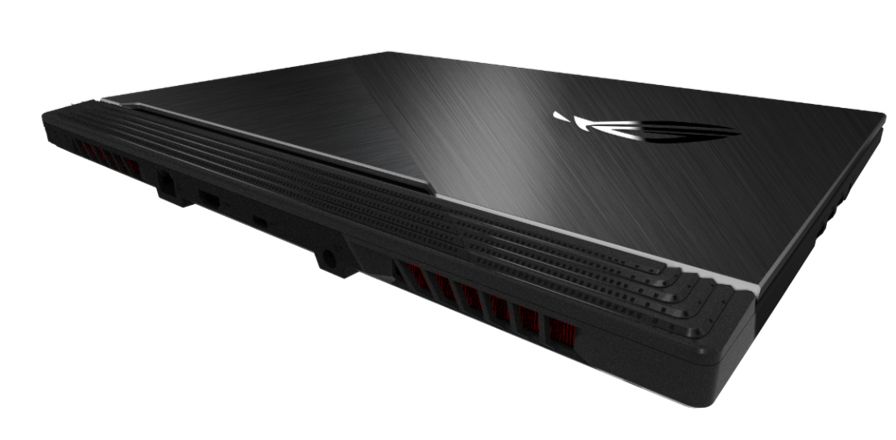
ASUS ROG Strix G712LW-EV002T-BE laptop memory upgrade specifications include two SO-DIMM slots supporting DDR4-SDRAM at 2933 MHz frequency. Maximum RAM capacity reaches 32 GB total. Compatible memory modules must match DDR4-SDRAM specifications and SO-DIMM form factor for proper installation into available slots. Upgrade options allow expansion from factory configuration up to maximum specifications supported by hardware.
Memory Upgrade Specifications
| Specification | Value |
|---|---|
| Memory slots | 2x SO-DIMM |
| Form factor | SO-DIMM |
| Memory type | DDR4-SDRAM |
| Frequency | 2933 MHz |
| Maximum RAM | 32 GB |
| Voltage | 1.2V |
| Number of pins | 260-pin |
| Interface | PC4 |
| PC Speed Rating | PC4-2933 (PC4-23464) |
| Bandwidth | 23.5 GB/s |
| Laptop Release date | 18 March 2020 |
Additional Notes
- The ASUS ROG G712LW-EV002T-BE imposes a 16 GB per-slot ceiling, preventing installation of individual 32 GB modules even though such SO-DIMMs exist for DDR4.
- Dual-channel operation requires matched pairs in both slots to achieve full memory bandwidth, as asymmetric configurations force single-channel mode and halve throughput.
- The 2933 MHz specification represents the maximum supported frequency, meaning faster modules will downclock automatically without performance gain or system instability.
- SO-DIMM form factor compatibility excludes all standard desktop DIMM modules due to physical pin count and notch position differences.
- Mixing modules with different speeds forces all RAM to operate at the slowest module's frequency, creating a performance bottleneck for the faster component.
- DDR4-SDRAM voltage requirements typically specify 1.2V, and higher-voltage modules marketed for overclocking may cause POST failures or require BIOS adjustments unavailable in locked laptop firmware.
- The 2-slot configuration eliminates incremental upgrade paths, as expanding from 16 GB to 32 GB necessitates discarding existing modules rather than adding to them.
- CAS latency variations between manufacturers affect real-world performance despite identical frequency ratings, particularly in memory-intensive workloads like video rendering or large dataset processing.
- Non-ECC unbuffered SO-DIMMs represent the only compatible architecture, as registered or ECC memory types will either fail to initialize or cause boot loops.
- Installation requires complete bottom panel removal on this chassis design, voiding certain regional warranty terms unless performed by authorized service centers.
- JEDEC-standard DDR4 modules ensure broadest compatibility, while XMP-profiled gaming RAM may not activate enhanced timings due to laptop BIOS limitations compared to desktop motherboards.
- Operating temperatures inside gaming laptop chassis exceed desktop environments, making modules with integrated heat spreaders preferable for thermal stability during sustained loads.