ASUS ROG G712LW-EV002T-LU RAM upgrade specifications
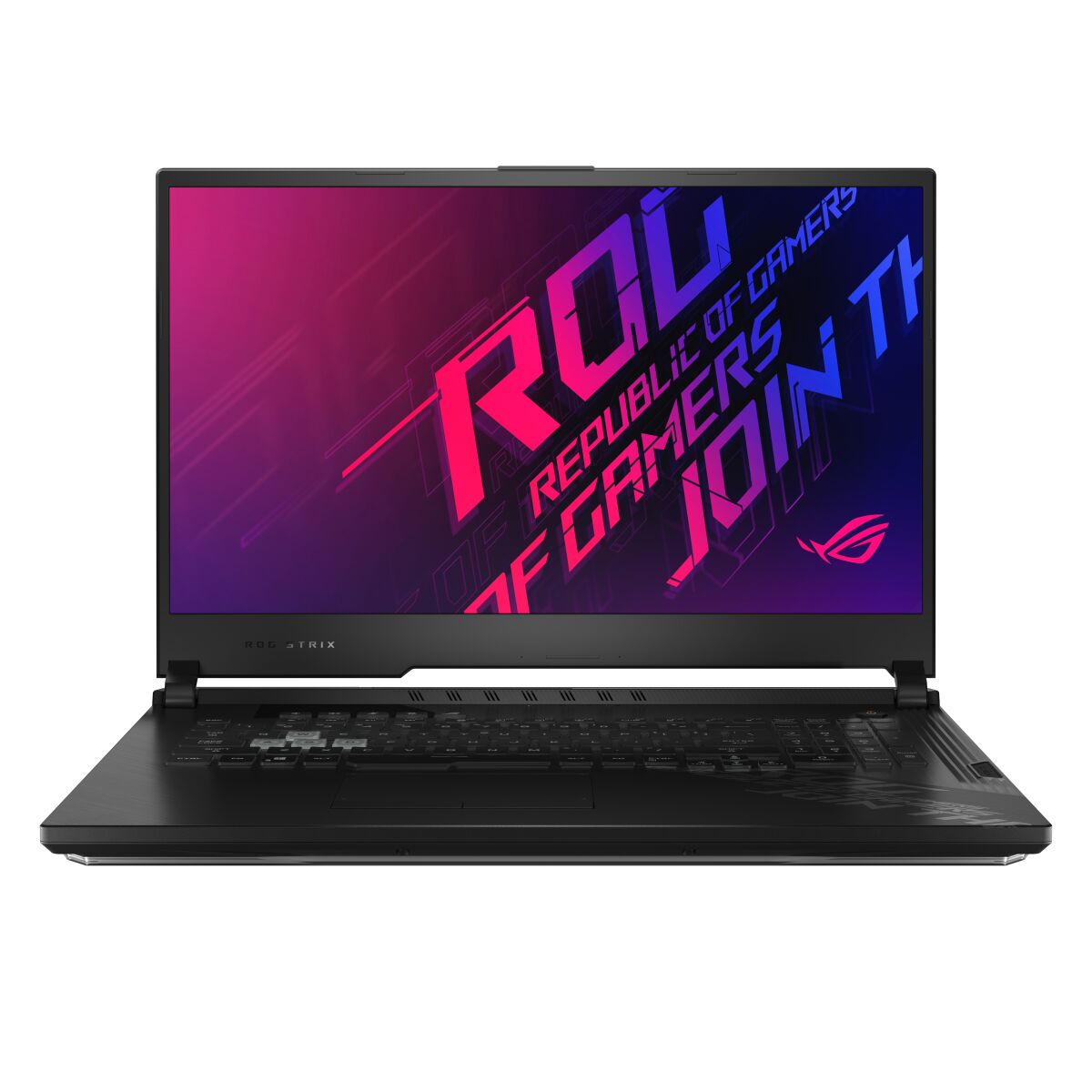
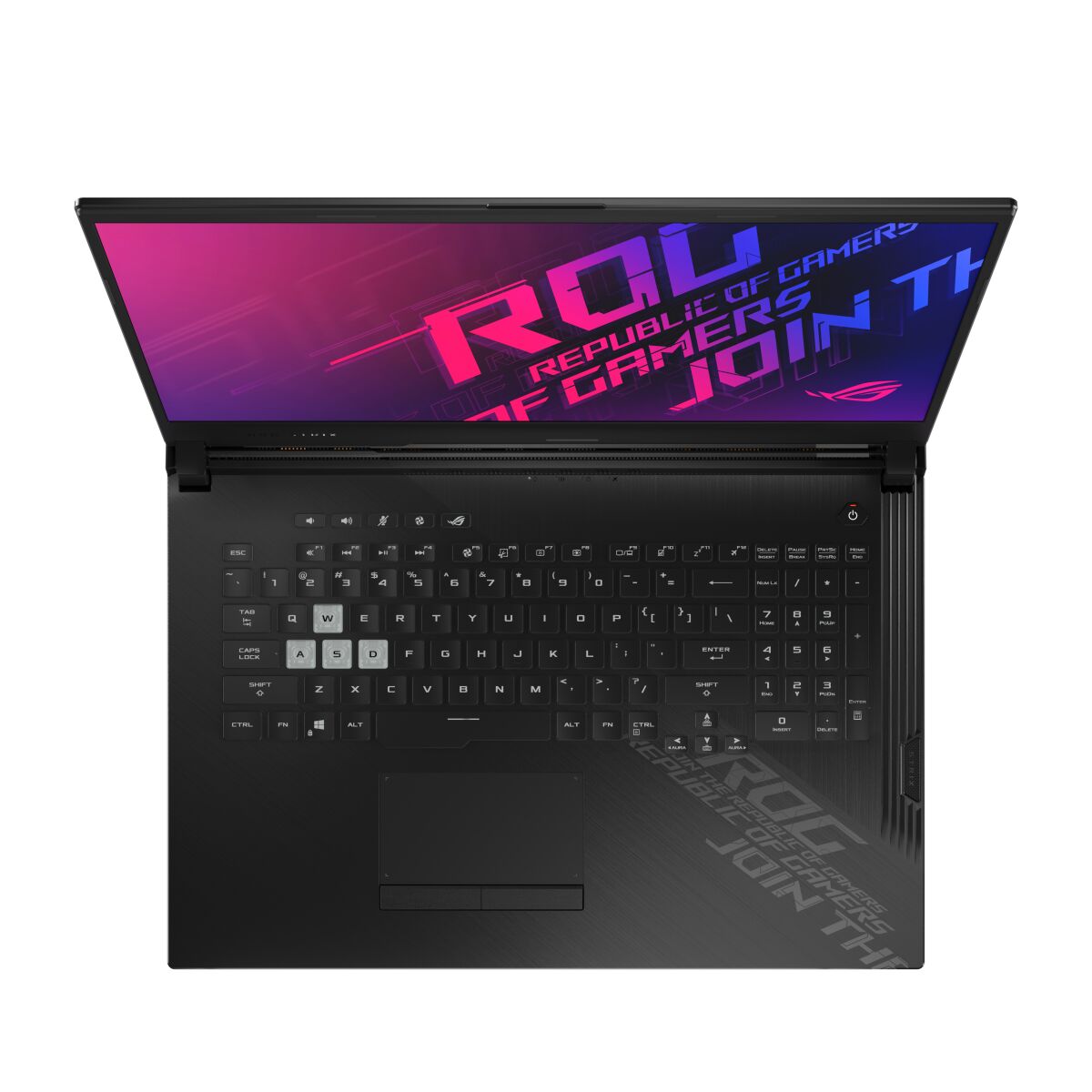
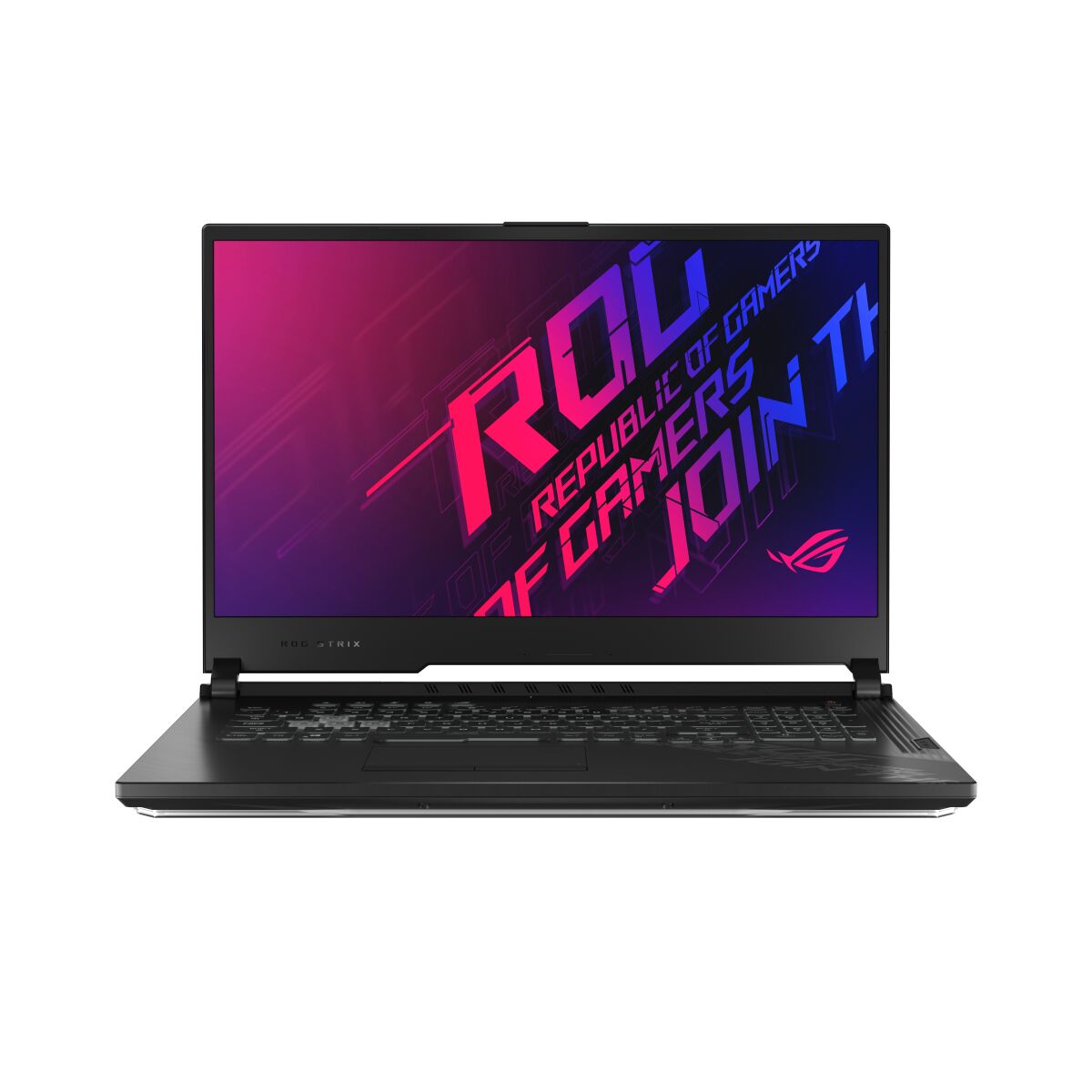
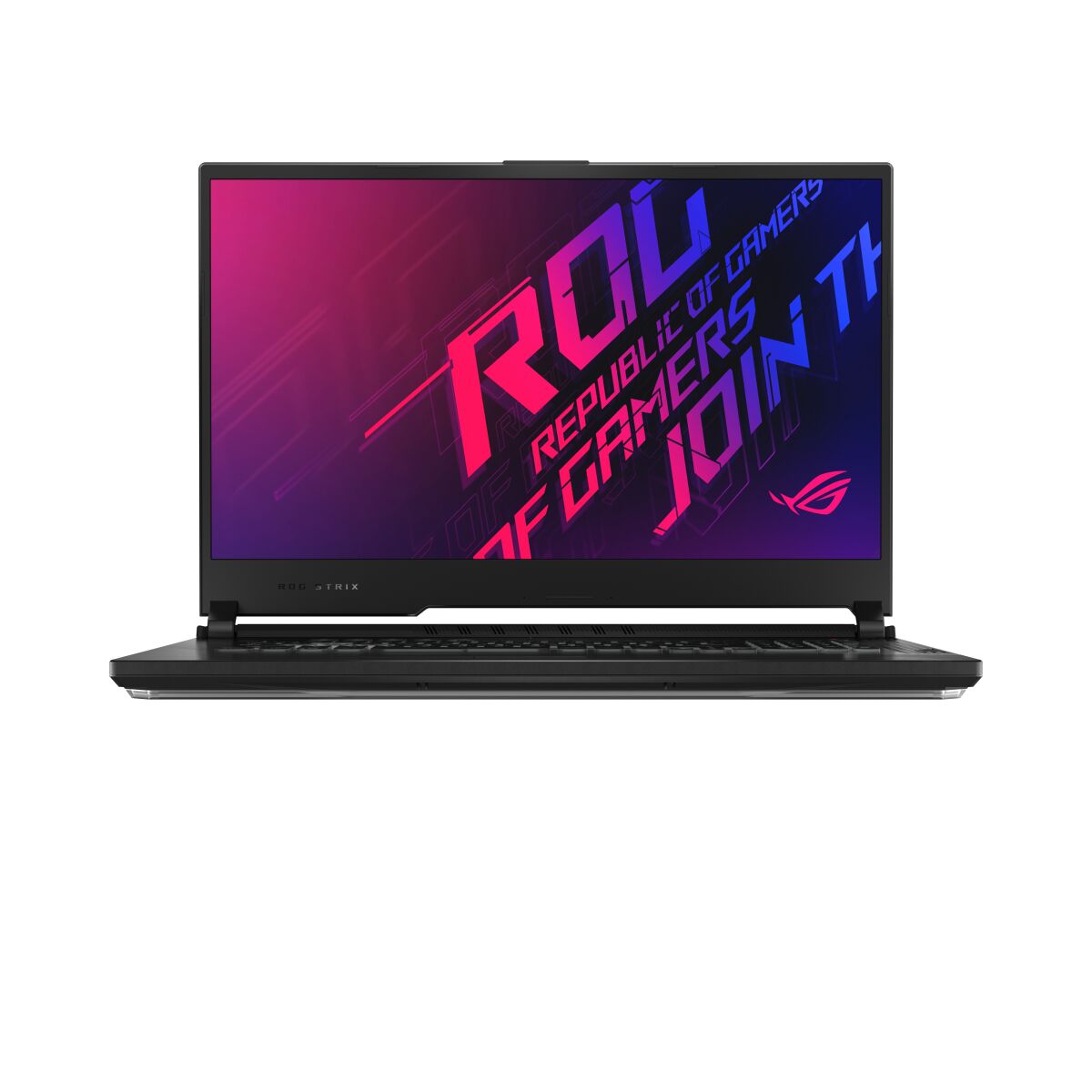
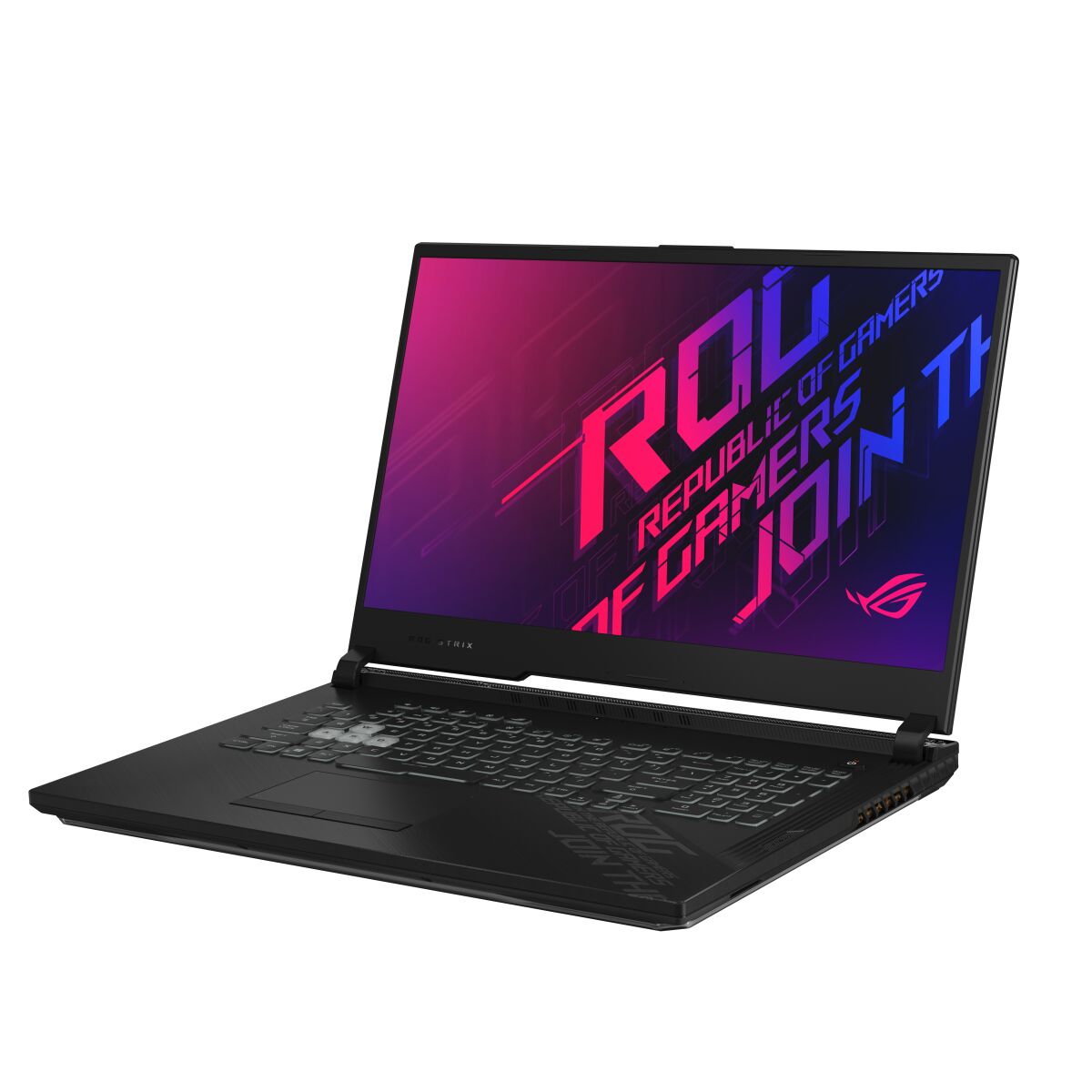
ASUS ROG Strix G712LW-EV002T-LU laptop memory specifications detail DDR4-SDRAM upgrade compatibility. The system features 2x SO-DIMM slots supporting maximum RAM capacity of 32 GB total. Compatible memory modules operate at 2933 MHz frequency. SO-DIMM form factor specifications ensure proper physical fit within available upgrade slots. These memory upgrade specifications define the maximum expandable RAM capacity and compatible DDR4-SDRAM parameters for the ASUS ROG Strix G712LW-EV002T-LU gaming laptop model.
Memory Upgrade Specifications
| Specification | Value |
|---|---|
| Memory slots | 2x SO-DIMM |
| Form factor | SO-DIMM |
| Memory type | DDR4-SDRAM |
| Frequency | 2933 MHz |
| Maximum RAM | 32 GB |
| Voltage | 1.2V |
| Number of pins | 260-pin |
| Interface | PC4 |
| PC Speed Rating | PC4-2933 (PC4-23464) |
| Bandwidth | 23.5 GB/s |
| Laptop Release date | 10 July 2020 |
Additional Notes
- The 32 GB maximum capacity indicates a motherboard chipset limitation rather than physical slot restriction, preventing the use of higher-density modules even if slots remain available.
- DDR4-2933 operation on this ASUS ROG G712LW-EV002T-LU requires Intel 10th generation Core processors, as earlier generations default to lower JEDEC speeds regardless of module capability.
- SO-DIMM installations in gaming chassis typically involve complete bottom panel removal, which may void seals on certain warranty programs if damage occurs during user access.
- Mixing modules with different rank configurations (single-rank with dual-rank) at 2933 MHz can force automatic downclocking to 2666 MHz or lower through JEDEC fallback protocols.
- The 2933 MHz specification represents the maximum supported frequency; actual operation speed depends on CPU memory controller capabilities and may require XMP profile activation in BIOS.
- Dual-channel population requires matched module installation in both slots to achieve full bandwidth, as asymmetric configurations halve effective memory throughput despite higher total capacity.
- Non-ECC unbuffered modules are mandatory for SO-DIMM consumer platforms, as server-grade ECC memory physically fits but fails POST initialization.
- Thermal constraints in compact laptop enclosures make high-density 32 GB configurations more susceptible to throttling compared to lower-capacity installations under sustained workloads.
- Voltage variations beyond JEDEC standard 1.2V specifications can trigger stability issues or outright rejection by laptop memory controllers lacking desktop-style voltage adjustment options.
- CAS latency differences between installed modules force synchronization to the slowest timing present, degrading performance when mixing CL19 and CL22 parts at identical frequencies.