ASUS ROG GL503GE-EN289T RAM upgrade specifications




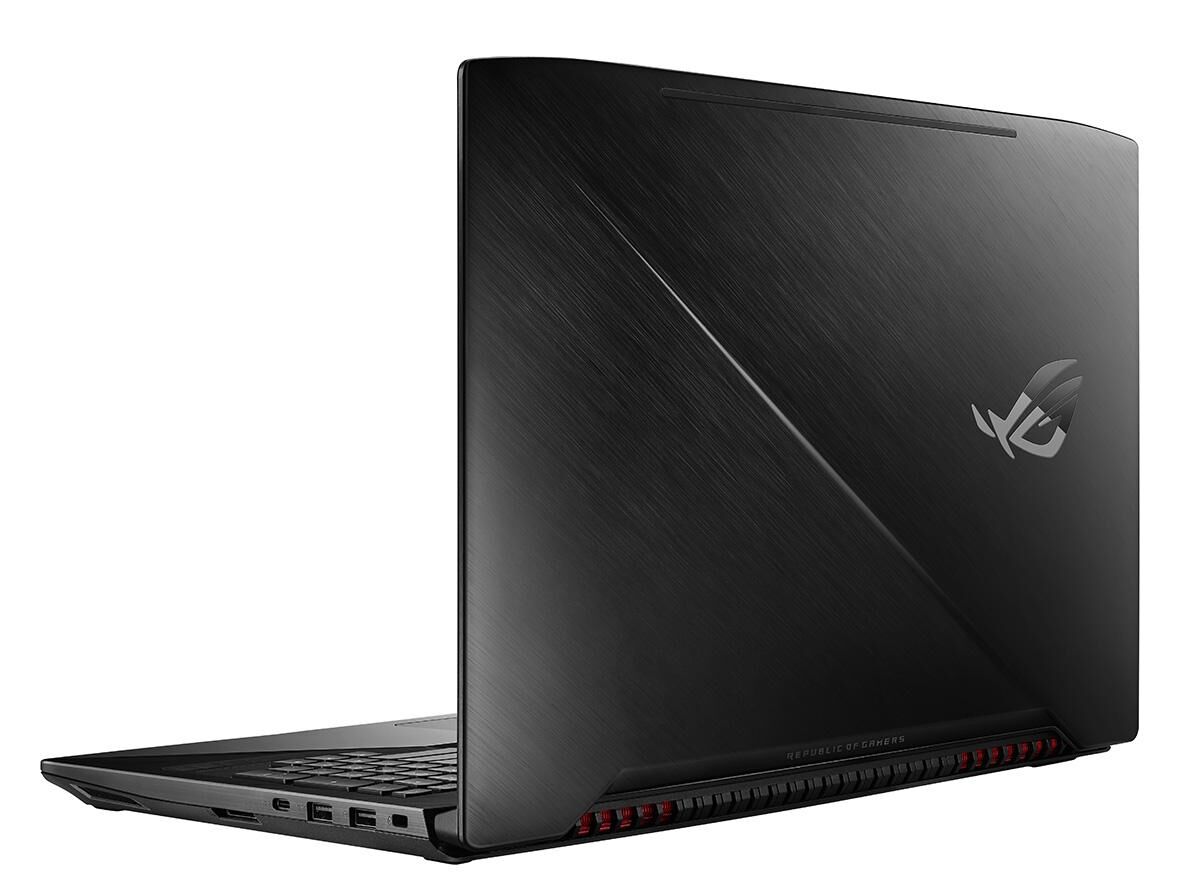
The ASUS ROG Strix GL503GE-EN289T gaming laptop features DDR4-SDRAM memory upgrade specifications with two SO-DIMM slots supporting maximum capacity of 32 GB total RAM. Compatible memory modules operate at 2666 MHz frequency. The upgrade slots accommodate standard SO-DIMM form factor modules, enabling users to expand the laptop's memory capacity for enhanced multitasking and performance capabilities. Specifications indicate DDR4 memory technology compatibility for this specific ROG Strix model.
Memory Upgrade Specifications
| Specification | Value |
|---|---|
| Memory slots | 2x SO-DIMM |
| Form factor | SO-DIMM |
| Memory type | DDR4-SDRAM |
| Frequency | 2666 MHz |
| Maximum RAM | 32 GB |
| Voltage | 1.2V |
| Number of pins | 260-pin |
| Interface | PC4 |
| PC Speed Rating | PC4-2666 (PC4-21328) |
| Bandwidth | 21.3 GB/s |
| Laptop Release date | 06 December 2019 |
Additional Notes
- The ASUS ROG GL503GE-EN289T supports a maximum configuration of 2 modules at 16 GB each due to the chipset's 32 GB ceiling, ruling out single-DIMM upgrades beyond this capacity.
- DDR4-2666 represents the highest JEDEC-standard frequency supported by this platform, meaning modules rated for 3000 MHz or 3200 MHz will downclock automatically to 2666 MHz without performance benefit.
- Both memory slots utilize the SO-DIMM form factor, which physically differs from desktop DIMM modules through shorter pin count and reduced PCB length, preventing use of standard desktop memory.
- Dual-channel operation requires matched module capacities in both slots, as asymmetric configurations (e.g., 8 GB + 16 GB) will force the system into single-channel mode for the excess capacity, halving memory bandwidth.
- The 2666 MHz frequency specification operates at 1.2V according to JEDDR4 standards, ensuring compatibility only with modules adhering to this voltage requirement rather than low-voltage or overclocking variants.
- Access to both SO-DIMM slots typically requires full bottom panel removal on this chassis design, as one slot often sits beneath the primary storage bay or cooling assembly.
- Memory module height must not exceed standard SO-DIMM profile specifications (approximately 30 mm), as taller heat spreaders may interfere with the keyboard deck clearance in this form factor.
- The platform lacks XMP profile support, meaning modules advertised with Intel Extreme Memory Profile timings will revert to JEDEC standard timings at 2666 MHz (CL19-19-19 typical).
- Mixing memory modules from different manufacturers or production batches increases the likelihood of POST failures or stability issues, even when specifications appear identical on paper.
- Warranty preservation requires using non-ECC unbuffered SO-DIMM modules, as registered or ECC variants are incompatible with consumer mobile chipsets and may void coverage if installation damage occurs.