ASUS ROG GL503GE-EN258 RAM upgrade specifications
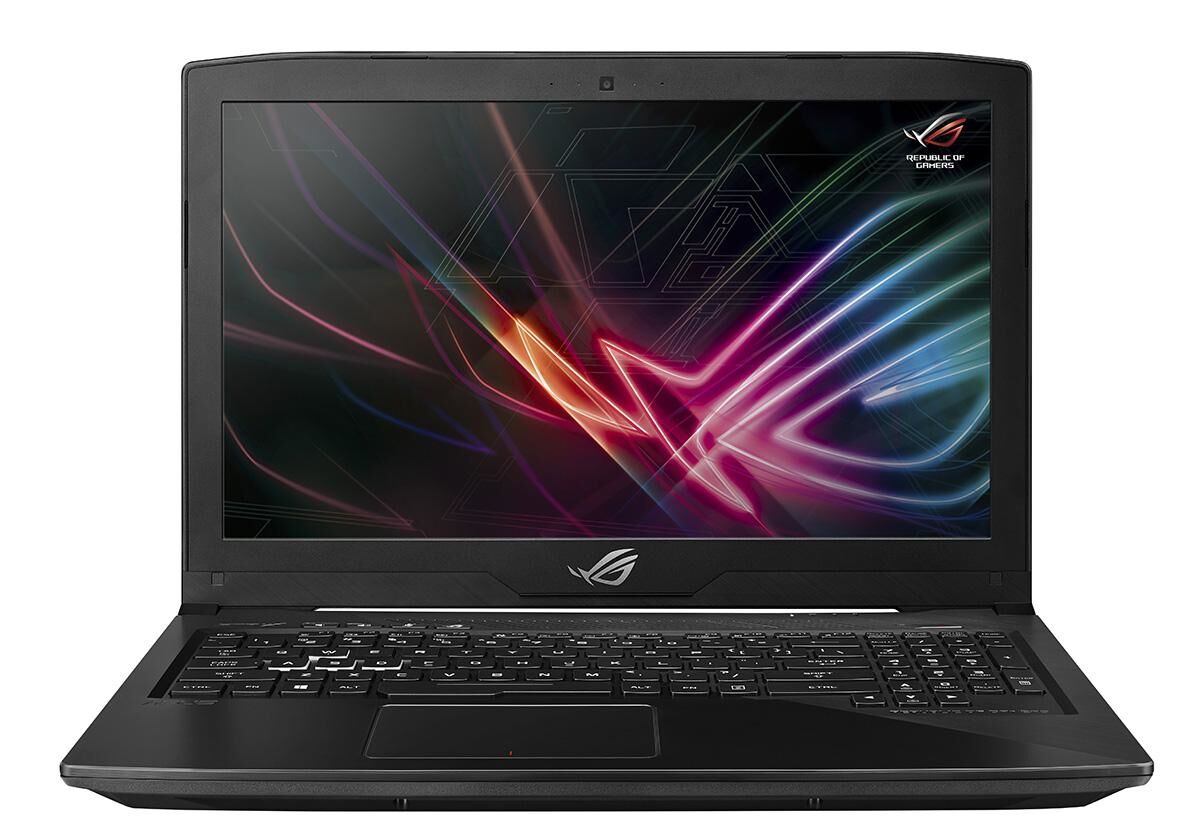
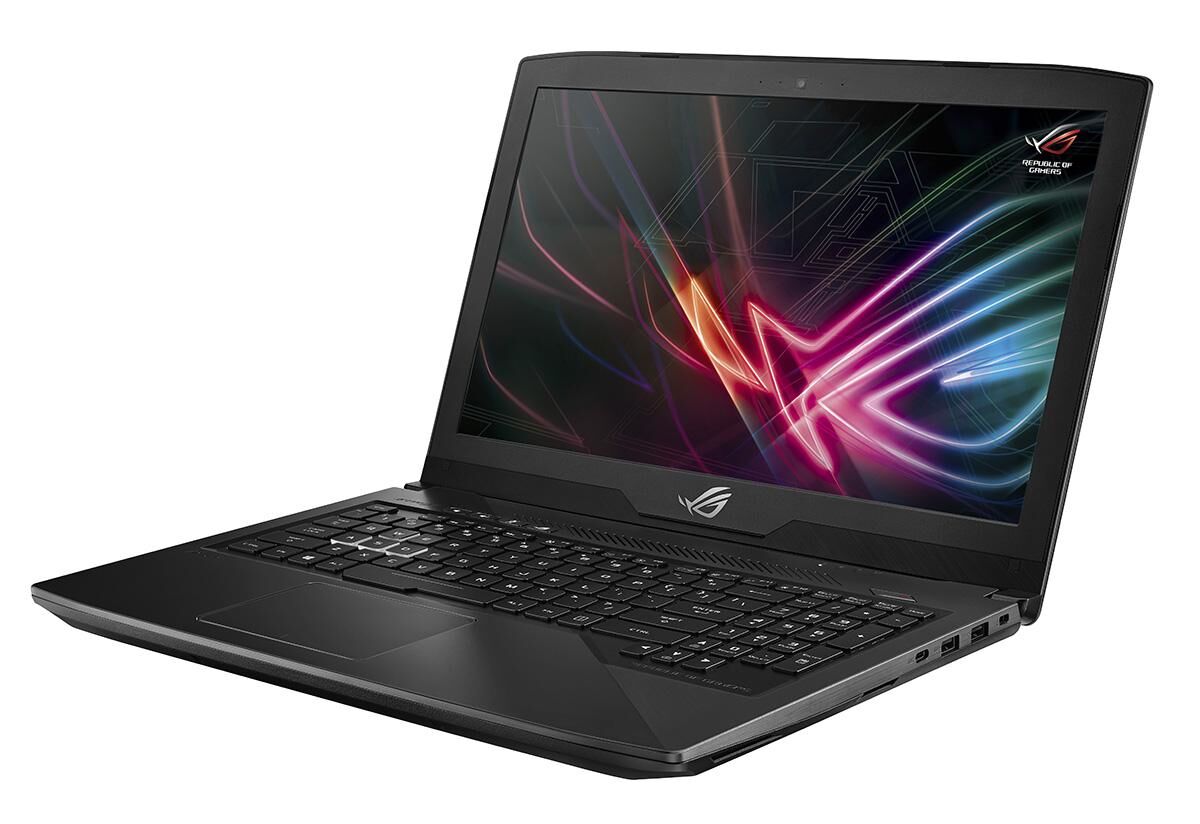


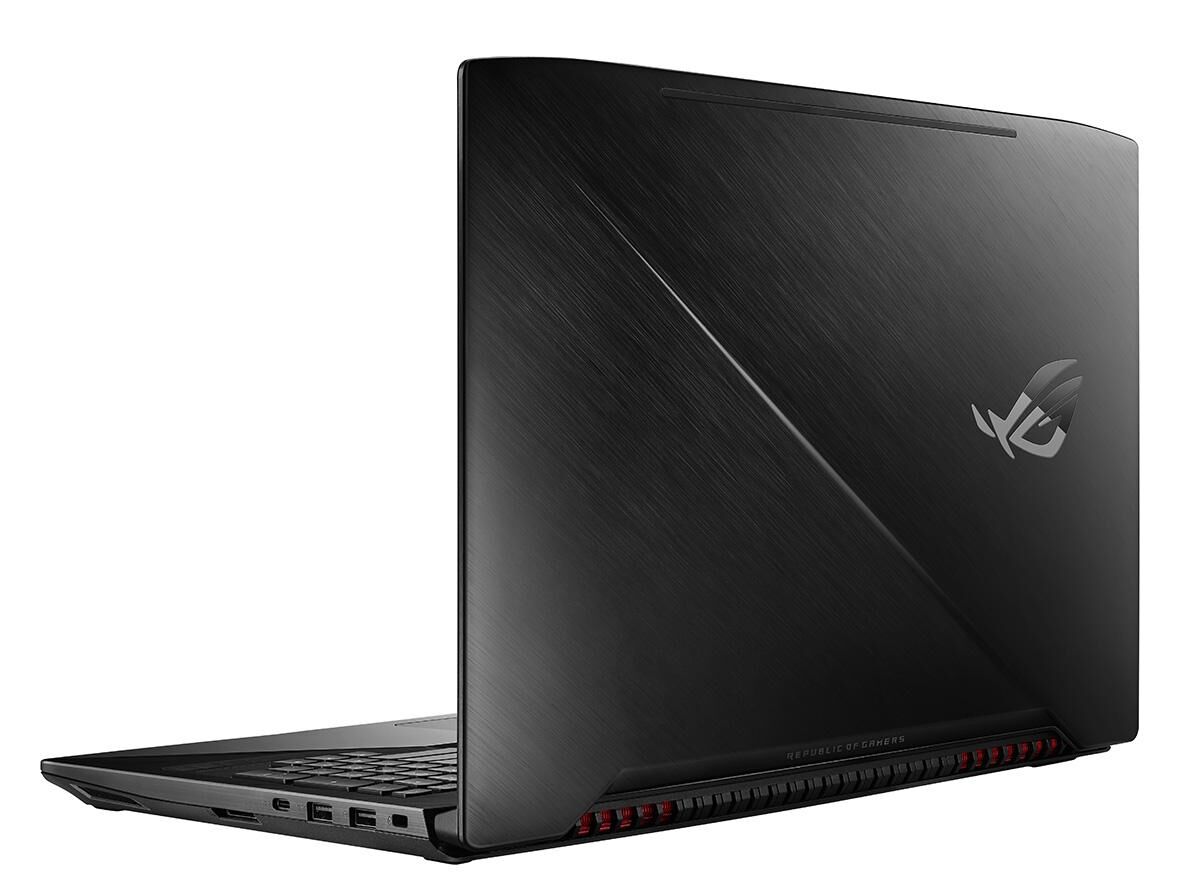
ASUS ROG Strix GL503GE-EN258 laptop memory upgrade specifications include two SO-DIMM slots supporting DDR4-SDRAM memory modules at 2400 MHz frequency. Compatible RAM upgrade capacity reaches maximum of 32 GB total. The SO-DIMM form factor allows for standard memory module replacement and expansion to achieve the maximum supported memory specifications for this gaming laptop model.
Memory Upgrade Specifications
| Specification | Value |
|---|---|
| Memory slots | 2x SO-DIMM |
| Form factor | SO-DIMM |
| Memory type | DDR4-SDRAM |
| Frequency | 2400 MHz |
| Maximum RAM | 32 GB |
| Voltage | 1.2V |
| Number of pins | 260-pin |
| Interface | PC4 |
| PC Speed Rating | PC4-2400 (PC4-19200) |
| Bandwidth | 19.2 GB/s |
| Laptop Release date | 10 September 2019 |
Additional Notes
- The ASUS ROG GL503GE-EN258 chipset enforces a per-slot capacity ceiling of 16 GB, preventing recognition of higher-density modules even when physically compatible.
- DDR4-2400 operates at PC4-19200 bandwidth specifications, delivering 19.2 GB/s theoretical transfer rate per channel in dual-channel configuration.
- Mixing modules with different CAS latencies forces the memory controller to adopt the slower timing profile across all populated slots.
- SO-DIMM installations require bottom panel removal, which typically voids adhesive-backed warranty seals on manufacturer-serviced units.
- The 260-pin SO-DIMM keying position differs from desktop DIMM modules, making standard desktop DDR4 physically incompatible despite identical voltage requirements.
- Dual-channel mode activation depends on matched capacity distribution, with asymmetric configurations reverting to single-channel operation for the non-matched portion.
- Non-ECC unbuffered modules remain the only compatible architecture, as registered or ECC variants exceed the memory controller's supported feature set.
- Higher-frequency modules rated at 2666 MHz or 3200 MHz will downclock to the platform's native 2400 MHz specification regardless of XMP profile availability.
- Operating voltage must remain within the JEDEC standard 1.2V specification, as SO-DIMM form factors lack headroom for overvolting tolerance margins.
- Thermal constraints in the confined laptop chassis make low-profile heatspreader designs preferable to standard-height variants that may contact internal components.