ASUS ROG GL503GE-EN296 RAM upgrade specifications




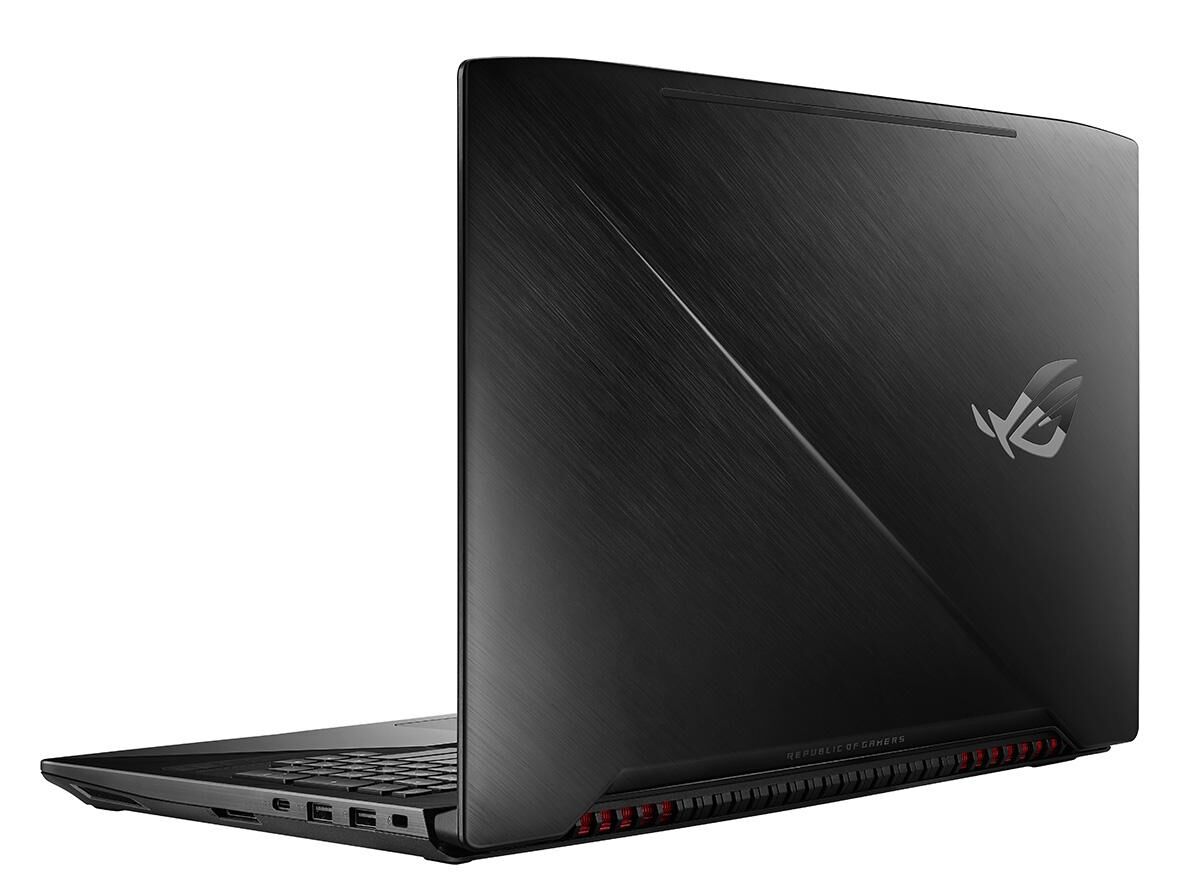
ASUS ROG Strix GL503GE-EN296 laptop features DDR4-SDRAM memory upgrade capabilities with two SO-DIMM slots supporting maximum capacity of 32 GB RAM. Compatible memory operates at 2400 MHz frequency. Current specifications provide dual-slot architecture enabling memory expansion up to the maximum supported capacity. Upgrade specifications confirm SO-DIMM form factor compatibility for replacement or additional memory modules.
Memory Upgrade Specifications
| Specification | Value |
|---|---|
| Memory slots | 2x SO-DIMM |
| Form factor | SO-DIMM |
| Memory type | DDR4-SDRAM |
| Frequency | 2400 MHz |
| Maximum RAM | 32 GB |
| Voltage | 1.2V |
| Number of pins | 260-pin |
| Interface | PC4 |
| PC Speed Rating | PC4-2400 (PC4-19200) |
| Bandwidth | 19.2 GB/s |
| Laptop Release date | 10 September 2019 |
Additional Notes
- The ASUS ROG GL503GE-EN296 supports only SO-DIMM memory modules, which are physically shorter than standard desktop DIMMs and cannot be used interchangeably with full-size counterparts.
- Dual-slot configuration permits symmetric population only; installing mismatched capacities (such as 8 GB + 16 GB) will disable dual-channel operation and reduce memory bandwidth by approximately 50 percent.
- The 2400 MHz frequency specification represents the native JEDEC standard for this platform; third-party modules rated above 2400 MHz will operate at reduced speeds unless BIOS overclocking profiles are manually enabled, which may void warranty coverage.
- Upgrading from the factory configuration to the 32 GB ceiling requires both slots to be populated with 16 GB modules; single-slot upgrades cannot reach maximum capacity.
- DDR4-SDRAM modules designed for newer platforms (3200 MHz and above) will function in this system only at 2400 MHz due to platform-level memory controller limitations, resulting in no performance gain despite higher-rated specifications.
- SO-DIMM availability at the 2400 MHz specification has declined in retail channels since this platform's release; sourcing matched pairs may require extended lead times or purchasing higher-frequency modules at reduced speeds.