ASUS ROG GL503VM-FY026T RAM upgrade specifications
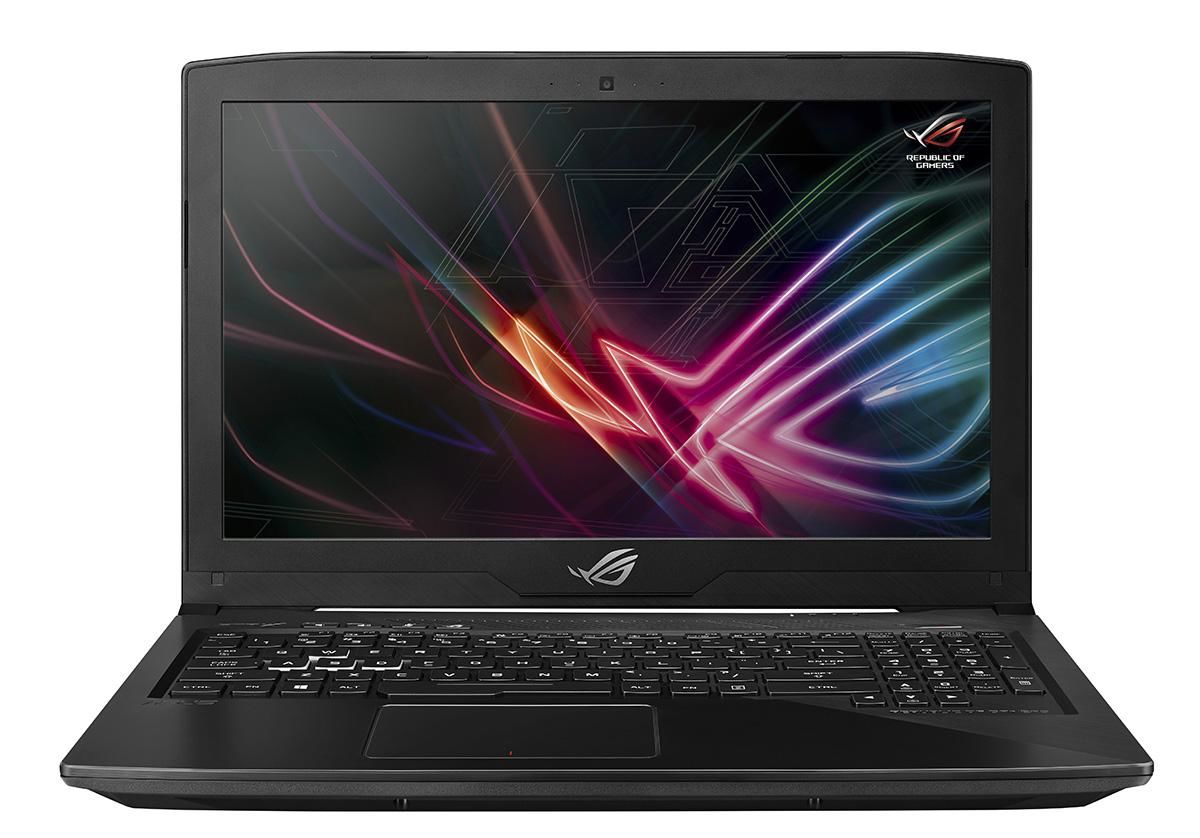



The ASUS ROG Strix GL503VM-FY026T features DDR4-SDRAM memory upgrades via 2x SO-DIMM slots. Compatible memory modules operate at 2400 MHz frequency with a maximum capacity of 32 GB total RAM. Upgrade specifications support SO-DIMM form factor modules, enabling users to expand the laptop's memory configuration for enhanced multitasking and performance capabilities.
Memory Upgrade Specifications
| Specification | Value |
|---|---|
| Memory slots | 2x SO-DIMM |
| Form factor | SO-DIMM |
| Memory type | DDR4-SDRAM |
| Frequency | 2400 MHz |
| Maximum RAM | 32 GB |
| Voltage | 1.2V |
| Number of pins | 260-pin |
| Interface | PC4 |
| PC Speed Rating | PC4-2400 (PC4-19200) |
| Bandwidth | 19.2 GB/s |
| Laptop Release date | 06 August 2018 |
Additional Notes
- The ASUS ROG GL503VM-FY026T supports a maximum configuration of 2 modules operating at 16 GB each to reach the 32 GB ceiling.
- DDR4-2400 represents this generation's base speed tier, limiting memory-intensive operations compared to higher-frequency alternatives available in DDR4 architecture.
- Both SO-DIMM slots must remain accessible for dual-channel configuration, which doubles effective memory bandwidth compared to single-module installations.
- Installing memory exceeding 2400 MHz will trigger automatic downclocking to match the supported frequency, negating any speed premium paid for faster modules.
- Mixing modules with different speeds forces the entire configuration to operate at the lowest common frequency, creating performance asymmetry.
- SO-DIMM form factor requires bottom panel removal, though this typically preserves manufacturer warranty when performed without component damage.
- The 32 GB limitation originates from chipset memory controller restrictions rather than physical slot capacity, preventing recognition of higher-density modules.
- Upgrading from single to dual-channel configuration affects integrated graphics performance more significantly than CPU-bound tasks due to shared memory bandwidth.
- Non-matching module capacities still enable dual-channel mode only for the capacity shared between both slots, with excess capacity reverting to single-channel operation.
- DDR4-SDRAM operates at 1.2 volts standard, while certain high-performance modules require XMP profiles incompatible with this platform's JEDEC-only support.