ASUS ROG GL504GM-ES321T RAM upgrade specifications
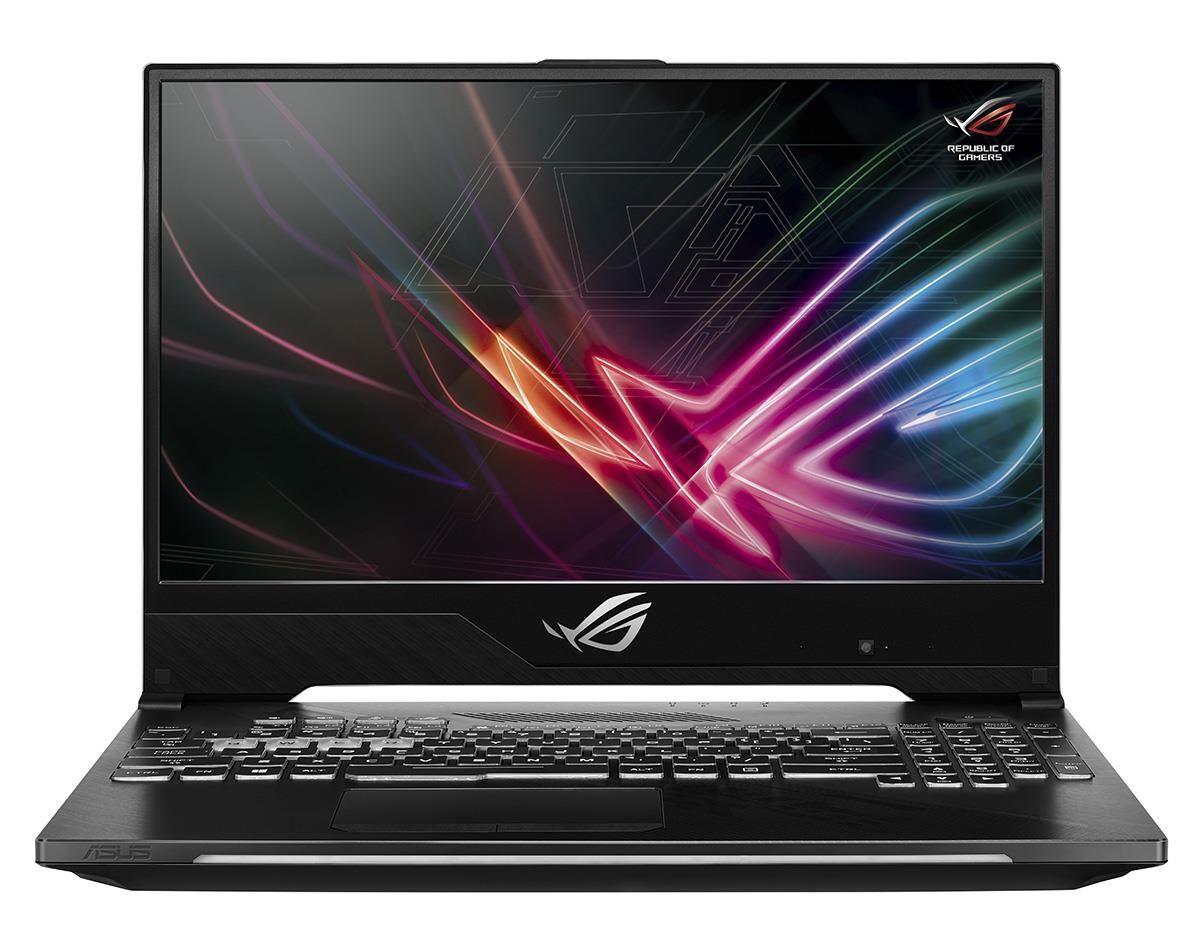
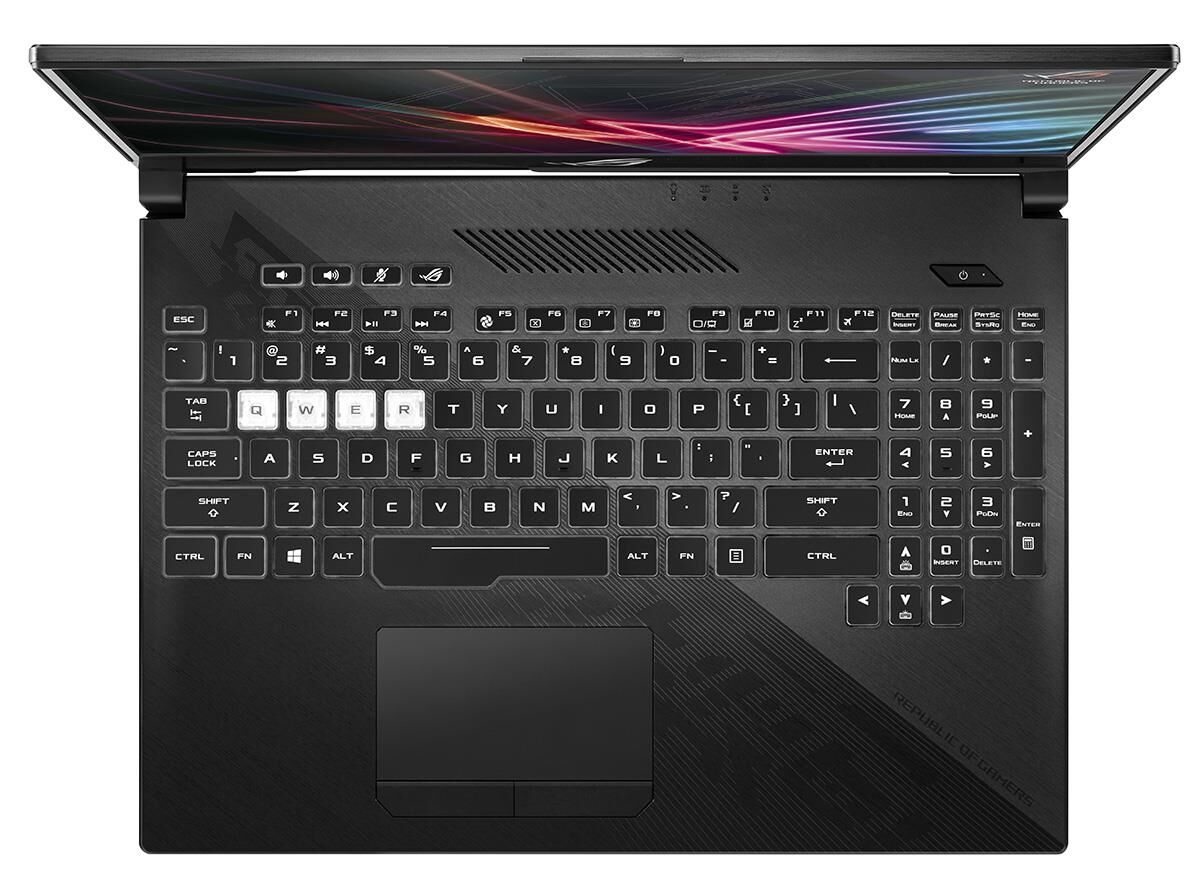
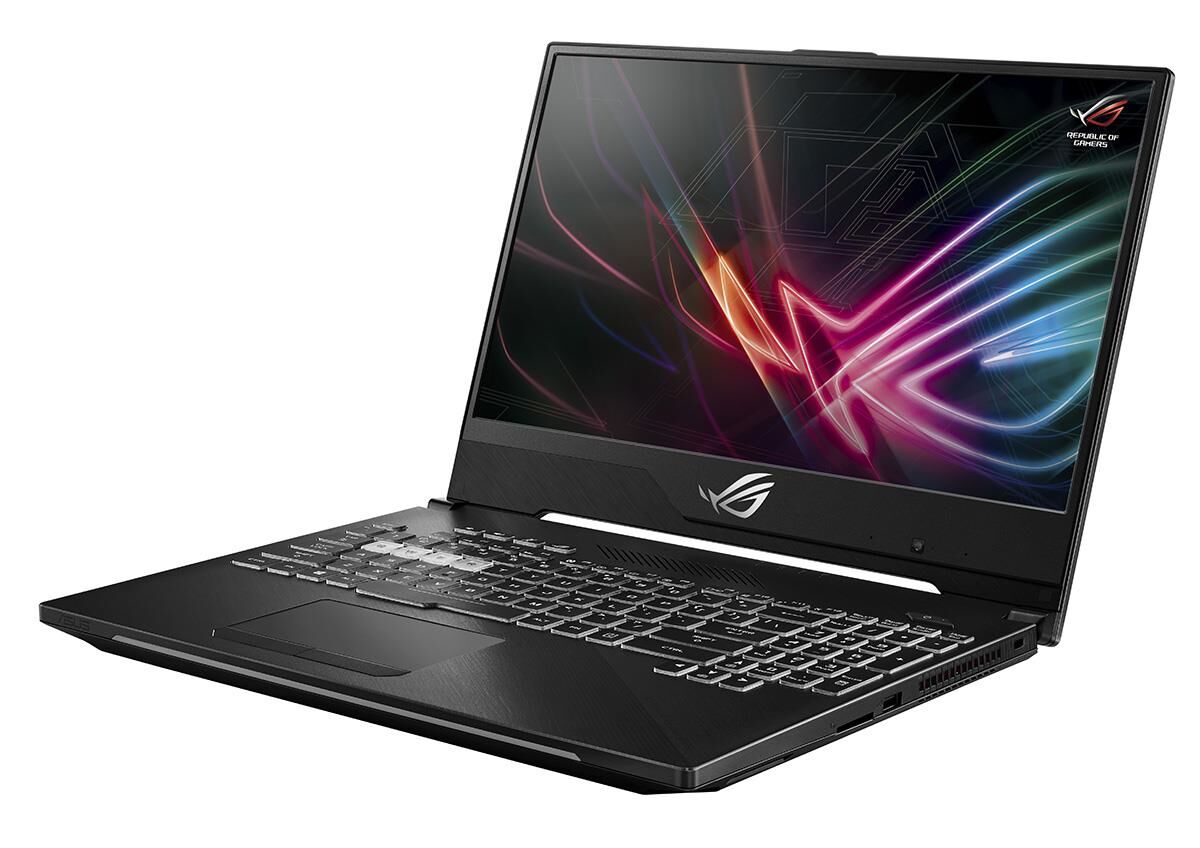
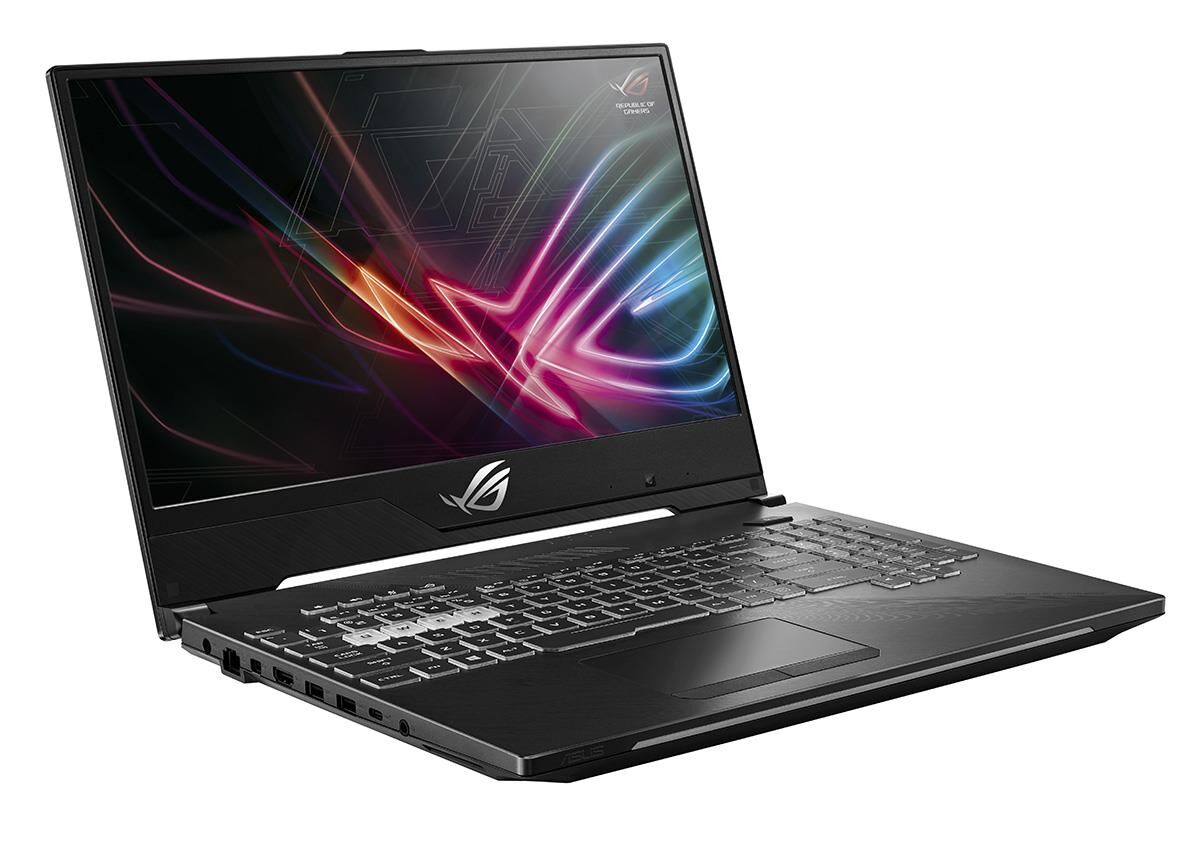
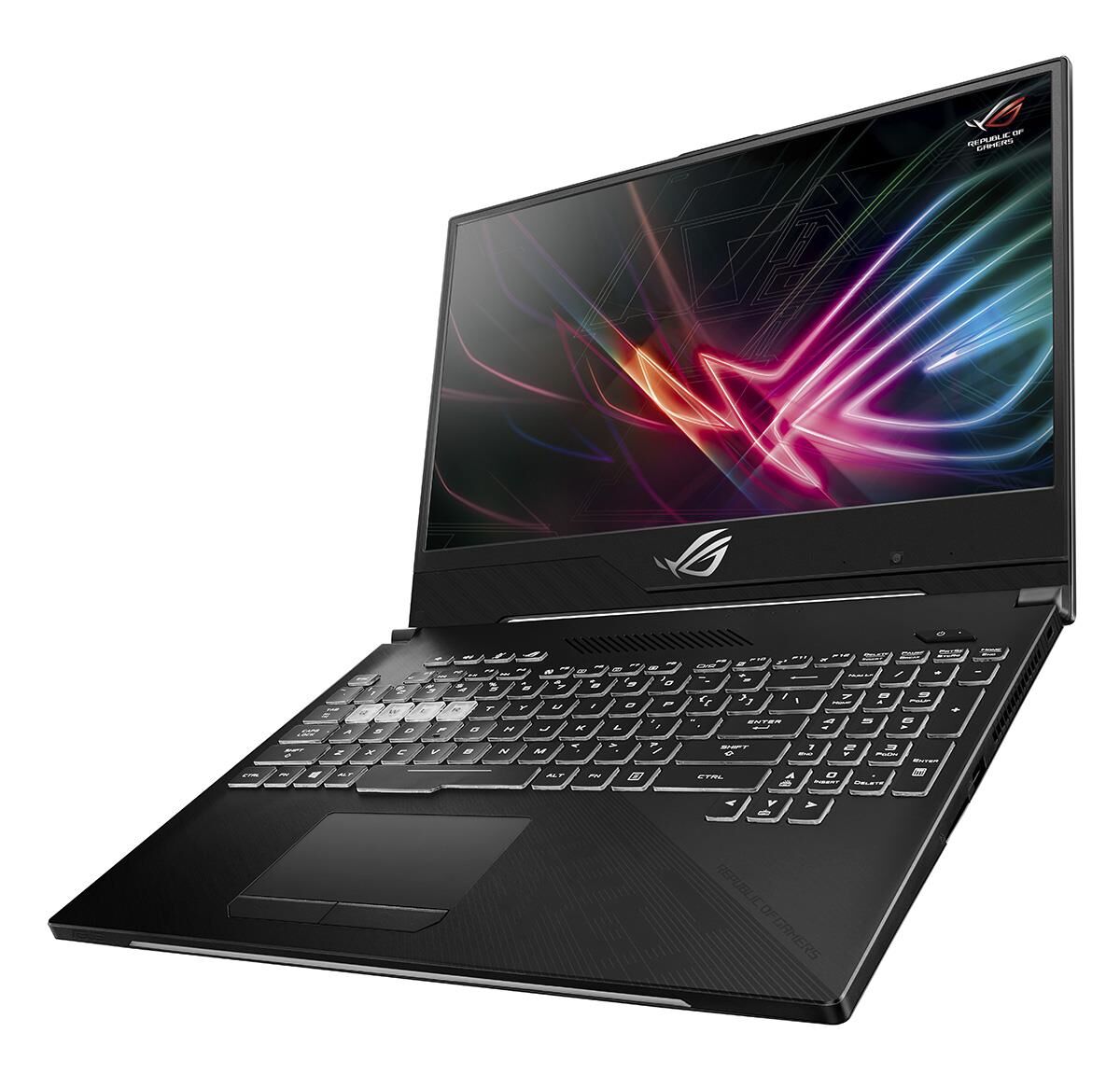
The ASUS ROG Strix GL504GM-ES321T laptop features DDR4-SDRAM memory upgrade specifications with two SO-DIMM slots supporting a maximum RAM capacity of 32 GB. The memory operates at 2666 MHz frequency. Compatible upgrades utilize SO-DIMM form factor modules. Current specifications and available slots allow for memory expansion to achieve the maximum supported capacity of 32 GB total RAM across both upgrade slots.
Memory Upgrade Specifications
| Specification | Value |
|---|---|
| Memory slots | 2x SO-DIMM |
| Form factor | SO-DIMM |
| Memory type | DDR4-SDRAM |
| Frequency | 2666 MHz |
| Maximum RAM | 32 GB |
| Voltage | 1.2V |
| Number of pins | 260-pin |
| Interface | PC4 |
| PC Speed Rating | PC4-2666 (PC4-21328) |
| Bandwidth | 21.3 GB/s |
| Laptop Release date | 04 October 2019 |
Additional Notes
- The ASUS ROG GL504GM-ES321T supports dual-channel memory architecture through 2 SO-DIMM slots, enabling paired capacity installations to maximize bandwidth utilization for gaming and content creation workloads.
- DDR4-2666 memory operates at a frequency lower than contemporary DDR4-3000 and DDR4-3200 standards, which means performance scaling gains from faster memory modules will be limited; the motherboard's memory controller enforces the 2666 MHz ceiling regardless of installed module specifications.
- The 32 GB maximum capacity ceiling restricts expansion to 2x16 GB configuration only; single-slot upgrades to 16 GB leave one DIMM unpopulated, forfeiting dual-channel performance benefits that typically provide 5-10 percent throughput improvement in bandwidth-intensive applications.
- SO-DIMM form factor constraint means desktop DDR4 memory (UDIMM) is physically incompatible; laptop-specific modules are mandatory, reducing third-party sourcing options and typically commanding higher per-gigabyte pricing than standard desktop memory.
- Installing maximum capacity (32 GB total) approaches thermal envelope limits in compact laptop chassis; sustained memory activity under gaming loads may produce marginal temperature increases affecting adjacent components, though thermal throttling of RAM itself is rare.
- Warranty coverage for memory upgrades depends on OEM policy; opening the laptop chassis for DIMM installation may void coverage unless performed by authorized service centers, making professional installation a consideration for risk mitigation.